Youtopia
EN
Menu

What to see in Kyoto: the must-sees

Kyoto was Japan’s capital for over a thousand years and keeps what Tokyo lost: more than sixteen hundred temples, shrines with thousands of red gates, Zen gardens, wooden townhouses and geiko crossing Gion at dusk.

19 places · 9 freeWith a map, 2026 prices and time needed for each
Kyoto

If you only have one day

What I’d see first on a first visit, in this order.

  1. Fushimi Inari Shrine1.5 hours (2–3 hours to the summit) · Free
  2. Kiyomizu-dera1 hour · About ¥500
  3. Sannenzaka and NinenzakaFree
  4. Gion and Hanamikoji1 hour · Free

Map of what to see in Kyoto

The places, one by one

19 places
Fushimi Inari Shrine1

Fushimi Inari Shrine

Free1.5 hours (2–3 hours to the summit)

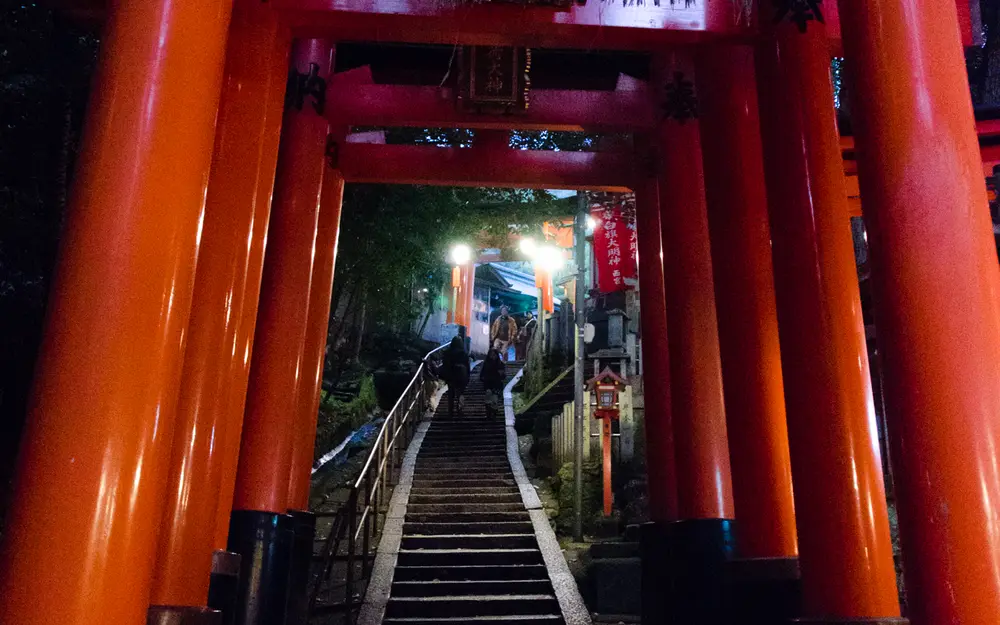
The shrine of thousands of red torii gates, dedicated to Inari, god of rice and business: each torii was donated by a company or family. The gate tunnels climb Mount Inari, and the higher you go, the fewer people.

Getting there
JR Nara line to Inari station: it’s right opposite.
Best time
Before 8:00 or at dusk: it’s open 24 hours.
Tip
Arrive before 8:00: from 9:00 the first stretches of torii are packed. Past the Yotsutsuji viewpoint (about 45 minutes up) there’s hardly anyone and the view over Kyoto is beautiful.
In the plan: day 1 ›See guided tours ›Affiliate link: if you book, Youtopia earns a small commission at no extra cost to you.
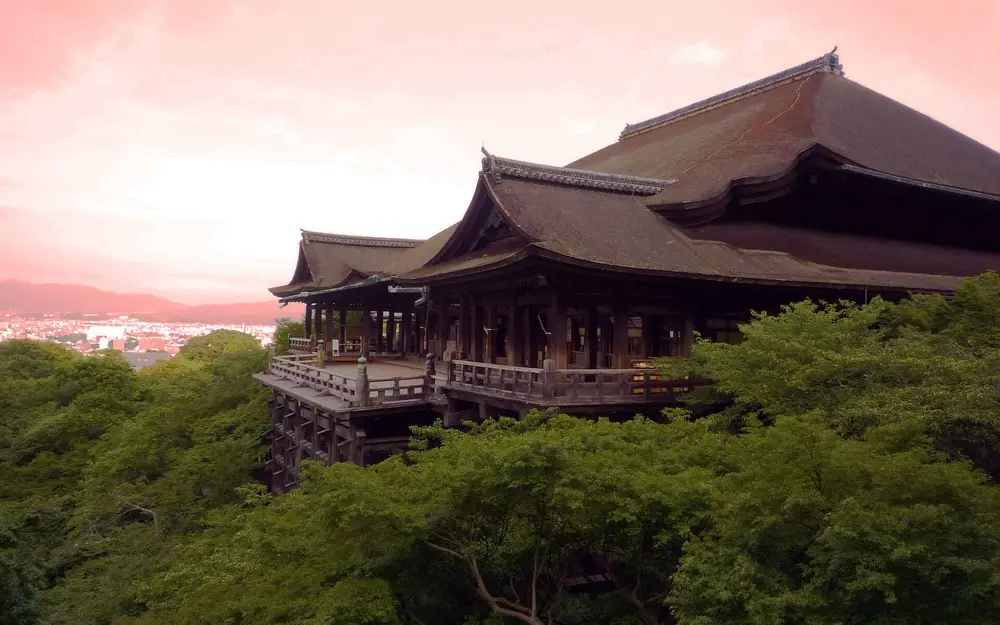
Kiyomizu-dera2

Kiyomizu-dera

About ¥5001 hour

A temple founded in 778 on a hillside, with a great wooden stage supported by hundreds of pillars without a single nail. From there you see all of Kyoto, and below is the three-stream fountain whose water brings health, love or success.

Price
About ¥500.
Getting there
Bus 206 or 100 to Gojo-zaka or Kiyomizu-michi, then 10 minutes uphill.
Best time
At opening (6:00), before school groups arrive.
Tip
The great wooden stage hanging over the forest is Kyoto’s signature shot. Go early or late afternoon; in autumn there are night visits with the temple lit up.
Sannenzaka and Ninenzaka3

Sannenzaka and Ninenzaka

Free

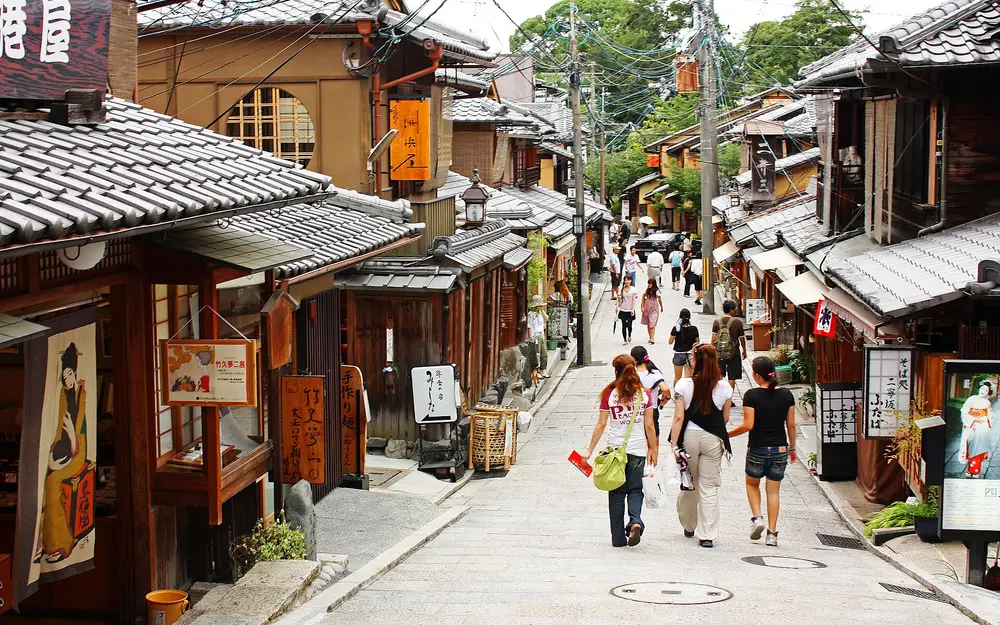
The stone slopes with wooden houses running down from Kiyomizu. There’s a Starbucks in a traditional house with tatami. Mind the Sannenzaka steps: legend says whoever falls has three years’ bad luck.

Gion and Hanamikoji4

Gion and Hanamikoji

Free1 hour

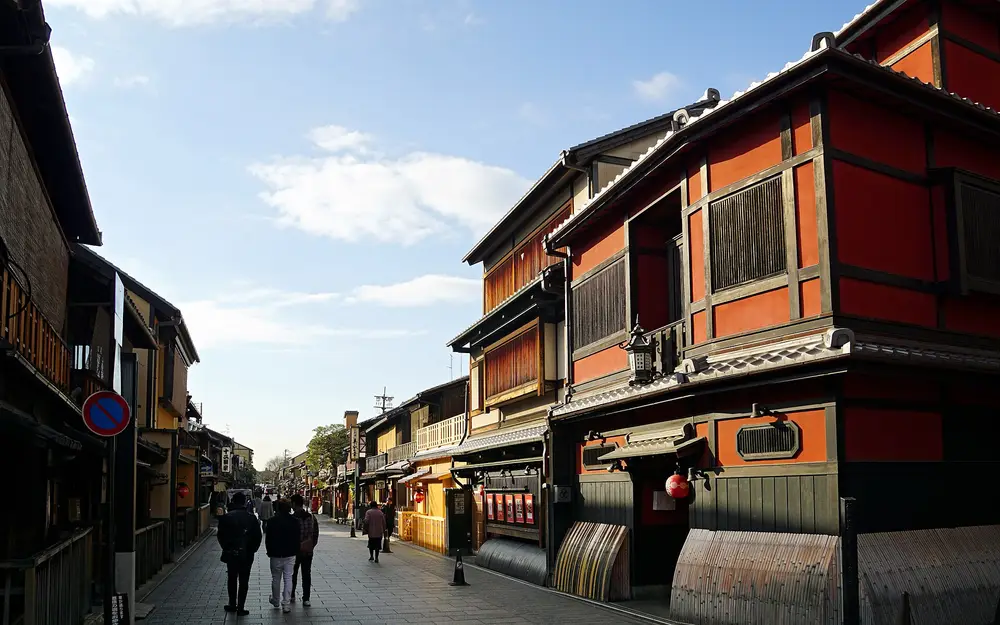
The geiko district, with wooden teahouses and lanterns. At dusk you may see a maiko on her way to an appointment: watch from a distance and don’t block her way.

Getting there
Keihan line to Gion-Shijo.
Best time
At dusk.
Tip
Gion’s private alleys are off limits (signs and fines of up to ¥10,000). If you see a geiko or maiko, don’t follow or stop her for photos. Shirakawa Street, with its canal and willows, is loveliest at dusk.
In the plan: day 1 ›See guided tours ›Affiliate link: if you book, Youtopia earns a small commission at no extra cost to you.
Arashiyama Bamboo Grove5

Arashiyama Bamboo Grove

Free30 minutes

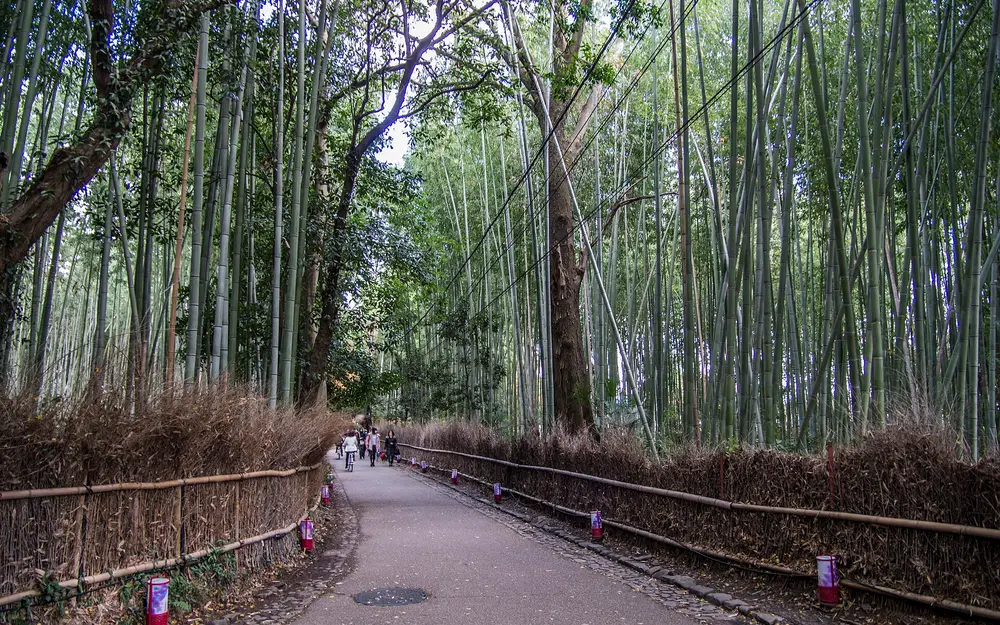
A path through giant bamboo that creaks in the wind. It’s short (about 10 minutes on foot), so the magic is going when it’s empty.

Getting there
JR train to Saga-Arashiyama and a 10-minute walk.
Best time
Before 8:00: after 9:00 it’s packed.
Tip
At 8:00 you can still get the shot without people; by mid-morning it’s impossible. Take the JR train to Saga-Arashiyama.
Tenryu-ji Temple6

Tenryu-ji Temple

About ¥500 for the garden

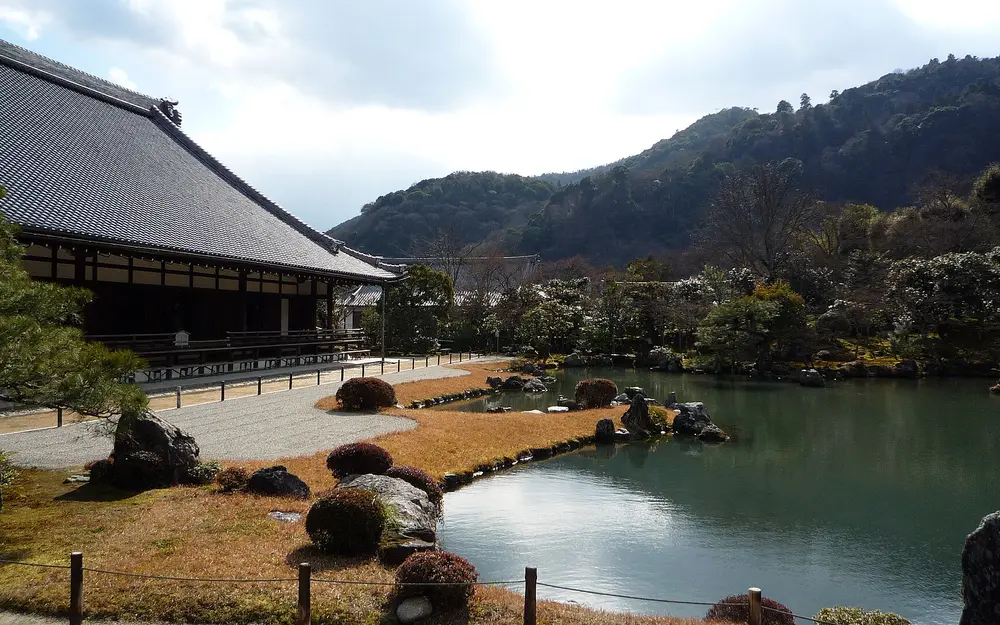
Its Zen pond garden is a World Heritage Site. The garden’s north exit leads straight into the bamboo grove.

Price
About ¥500 for the garden; the halls about ¥300 more.
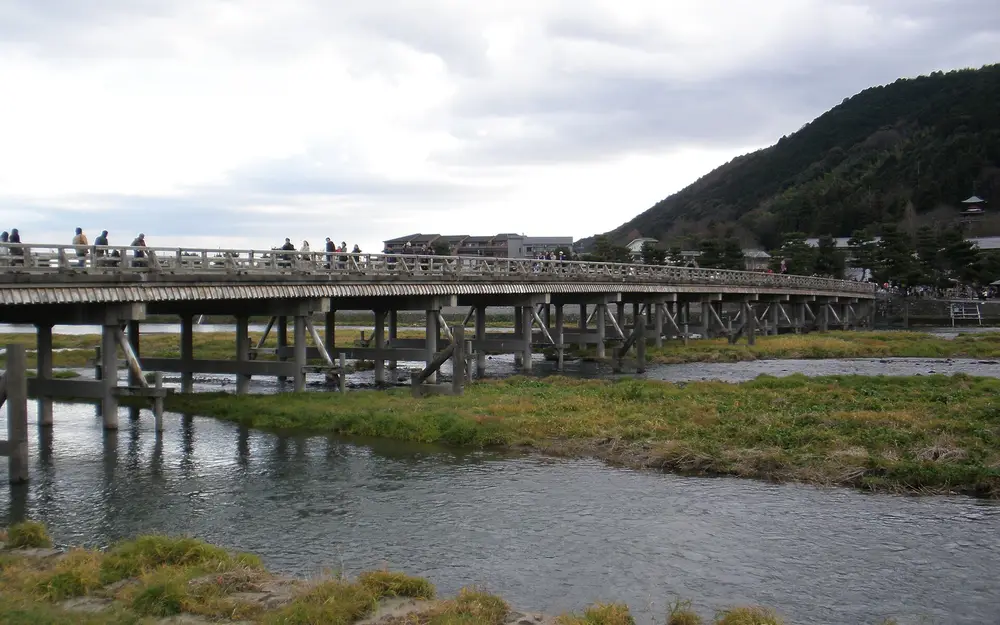
Togetsukyo Bridge7

Togetsukyo Bridge

Free

The bridge over the Katsura River with the mountains behind, beautiful in autumn. Across it is the Iwatayama monkey park, a 20-minute climb.

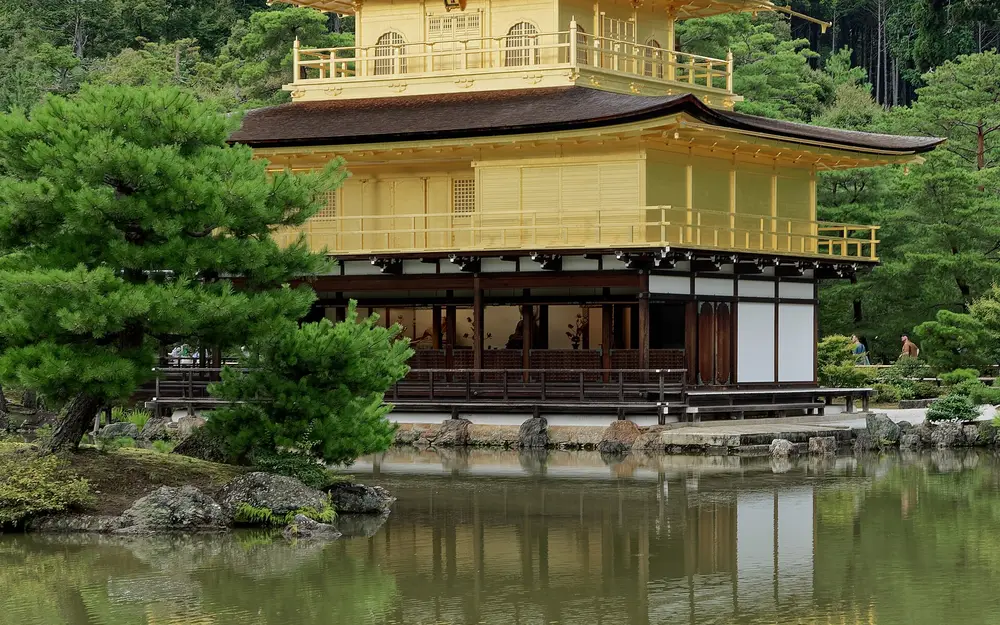
Kinkaku-ji (Golden Pavilion)8

Kinkaku-ji (Golden Pavilion)

About ¥50045 minutes

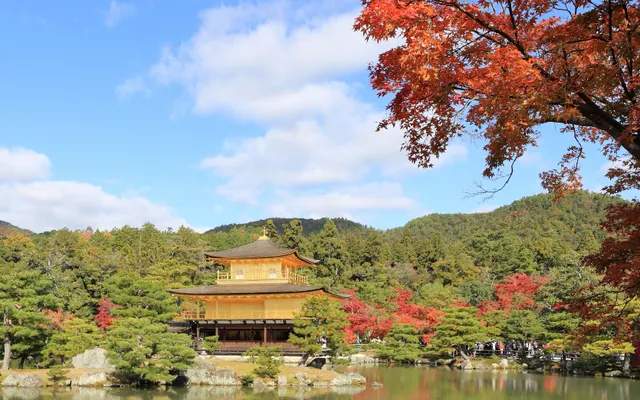
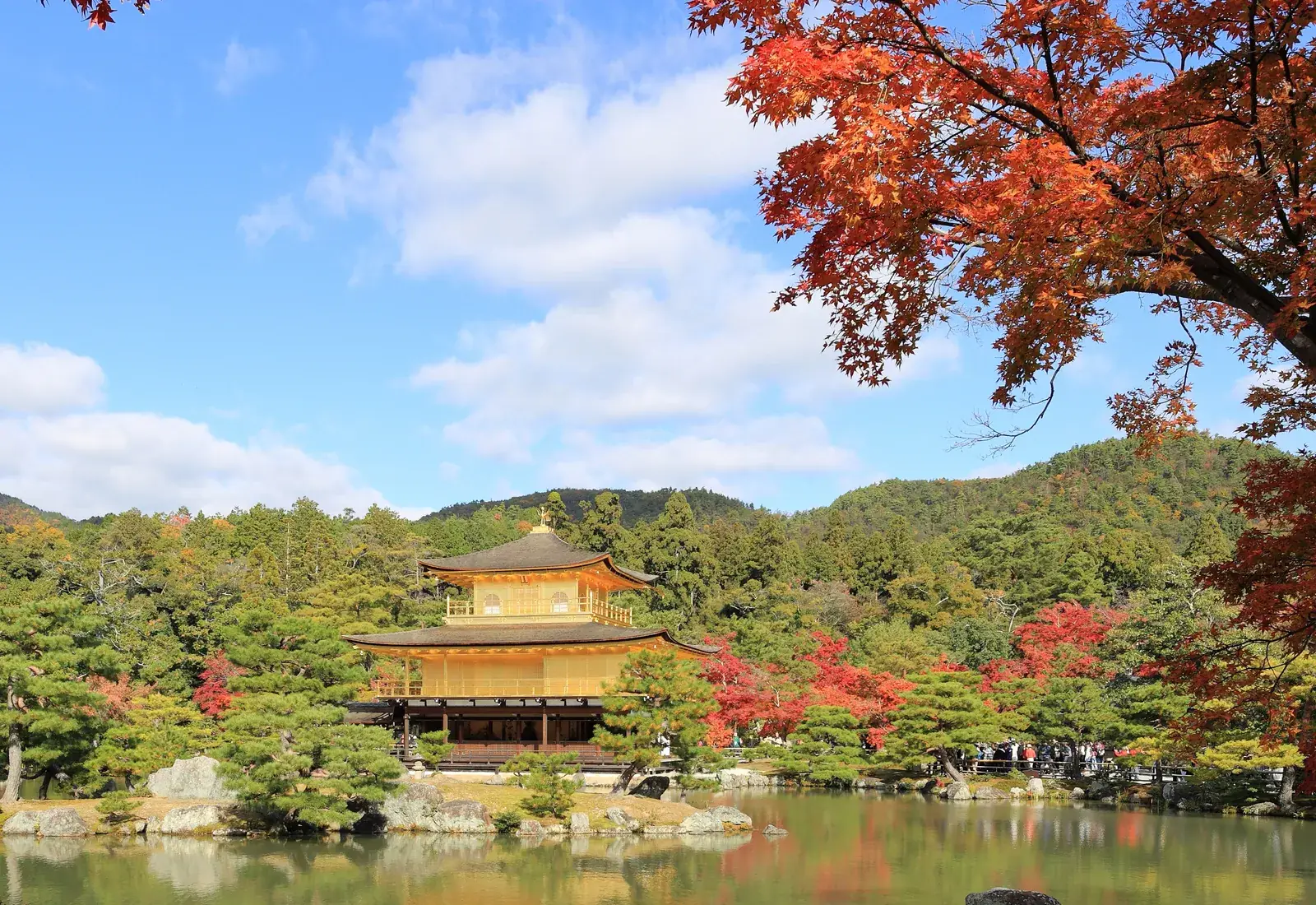
A pavilion covered in gold leaf, reflected in a pond ringed by pines. A monk burned the original in 1950 and it was rebuilt in 1955.

Price
About ¥500.
Getting there
Bus 205 or 101 to Kinkakuji-michi.
Best time
At opening, with morning sun on the gold.
Tip
The visit is a one-way route of about 30–40 minutes. The best shot is from the first viewpoint, with the pavilion reflected in the pond.
In the plan: day 2 ›See guided tours ›Affiliate link: if you book, Youtopia earns a small commission at no extra cost to you.
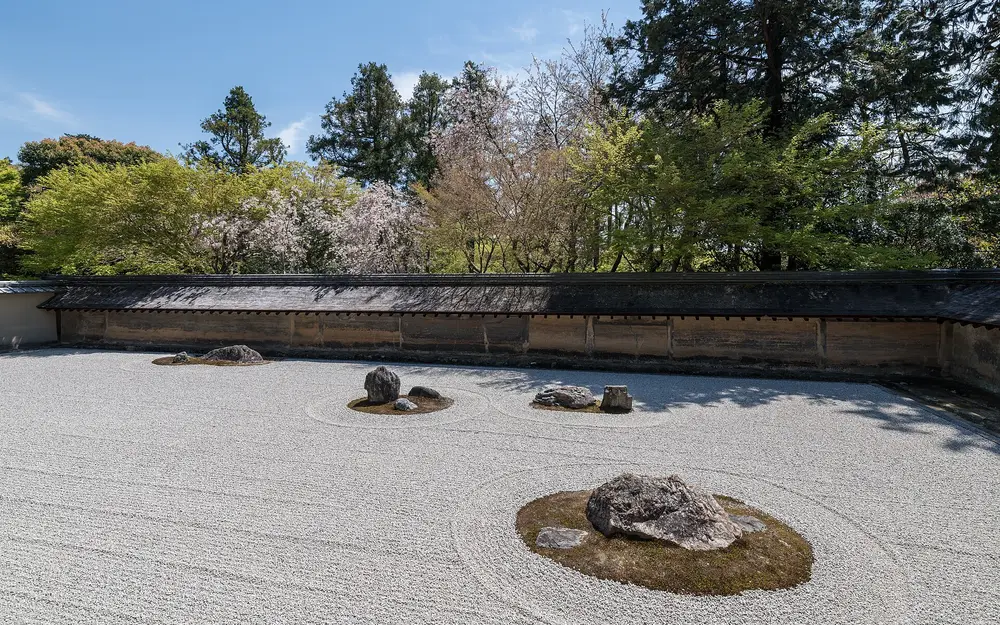
Ryoan-ji9

Ryoan-ji

About ¥60045 minutes

Japan’s most famous Zen garden: 15 stones on raked gravel, placed so that you can never see all of them at once. Sit on the veranda and take your time.

Price
About ¥600.
Getting there
20 minutes on foot from Kinkaku-ji or bus 59.
Tip
The most famous Zen rock garden: 15 stones, but from no spot can you see them all at once. Sit for a while in silence.
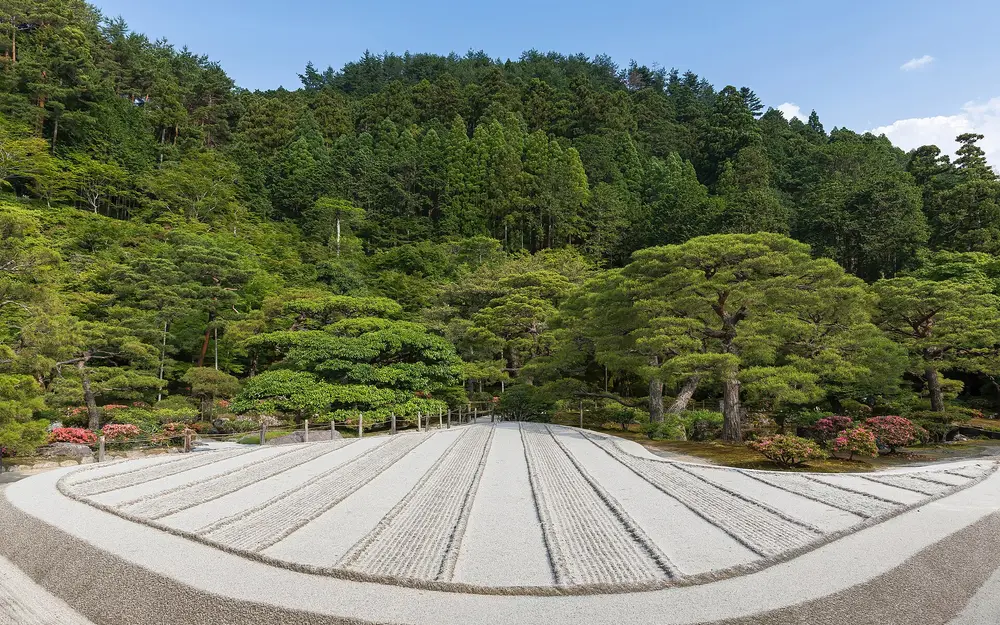
Ginkaku-ji (Silver Pavilion)10

Ginkaku-ji (Silver Pavilion)

¥1,000 since April 2026

It isn’t silver, but its sand garden with the cone imitating Mount Fuji and the moss path are worth it. It’s the start of the Philosopher’s Path.

Price
¥1,000 since April 2026.
Philosopher's Path11

Philosopher's Path

Free1 hour

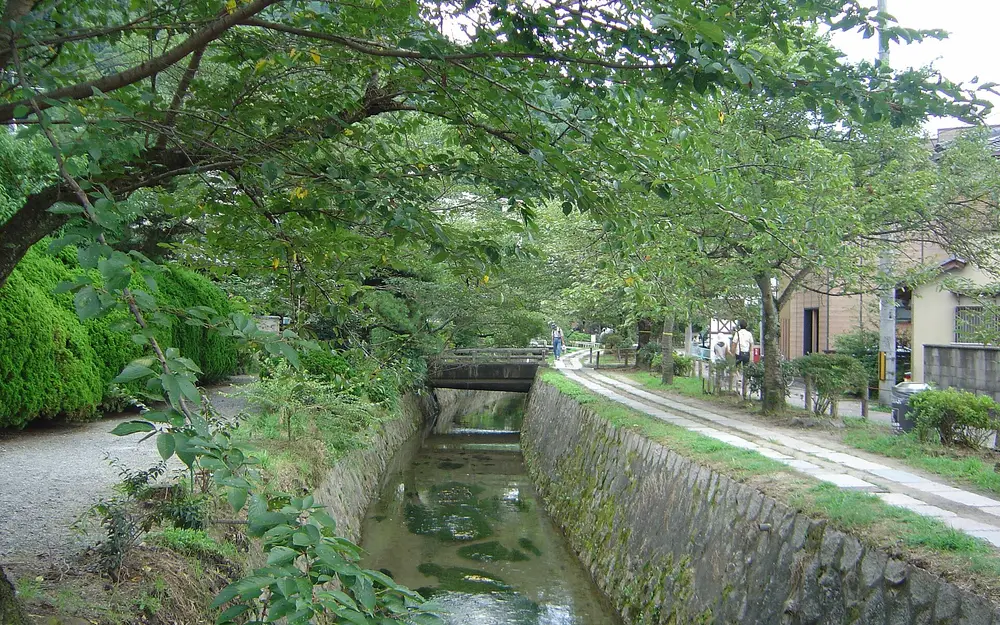
A walk of about 2 km beside a cherry-lined canal, between Ginkaku-ji and Nanzen-ji, with small temples and cafés along the way.

Best time
Spring and autumn, in the morning.
Tip
About 2 km along a cherry-lined canal, from Ginkaku-ji towards Nanzen-ji. Early April and late November are spectacular (and crowded).
Nanzen-ji12

Nanzen-ji

The grounds are free

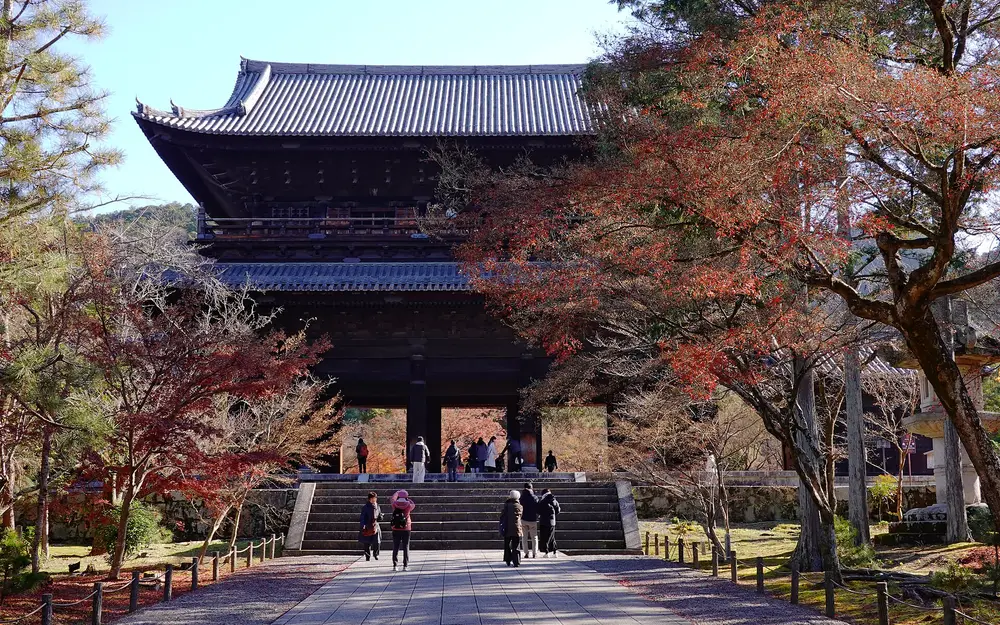
Don’t miss the 19th-century brick aqueduct running through the temple: a very photogenic spot.

Price
The grounds are free; climbing the great Sanmon gate costs about ¥600.
Nijo Castle13

Nijo Castle

About ¥1,300 with Ninomaru Palace1.5 hours

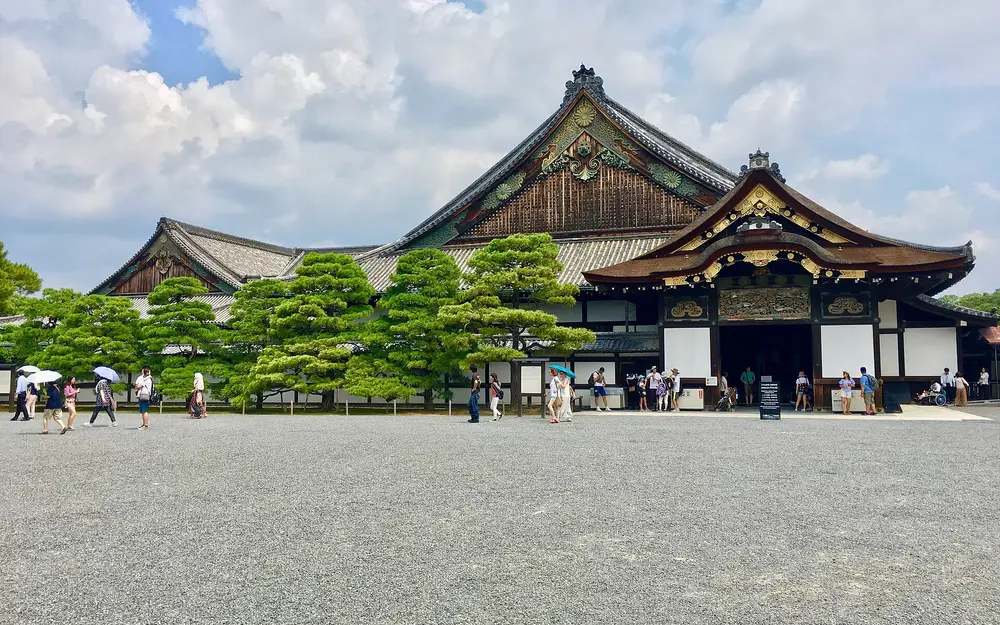
The Kyoto residence of the Tokugawa shoguns, from 1603. In Ninomaru Palace the «nightingale floors» chirp when walked on, to warn of intruders.

Price
About ¥1,300 with Ninomaru Palace; grounds only, about ¥800.
Getting there
Tozai subway to Nijojo-mae.
Tip
Ninomaru Palace has «nightingale floors» that chirp when stepped on, to warn of intruders. Inside the palace you go shoeless.
Byodo-in14

Byodo-in

About ¥700

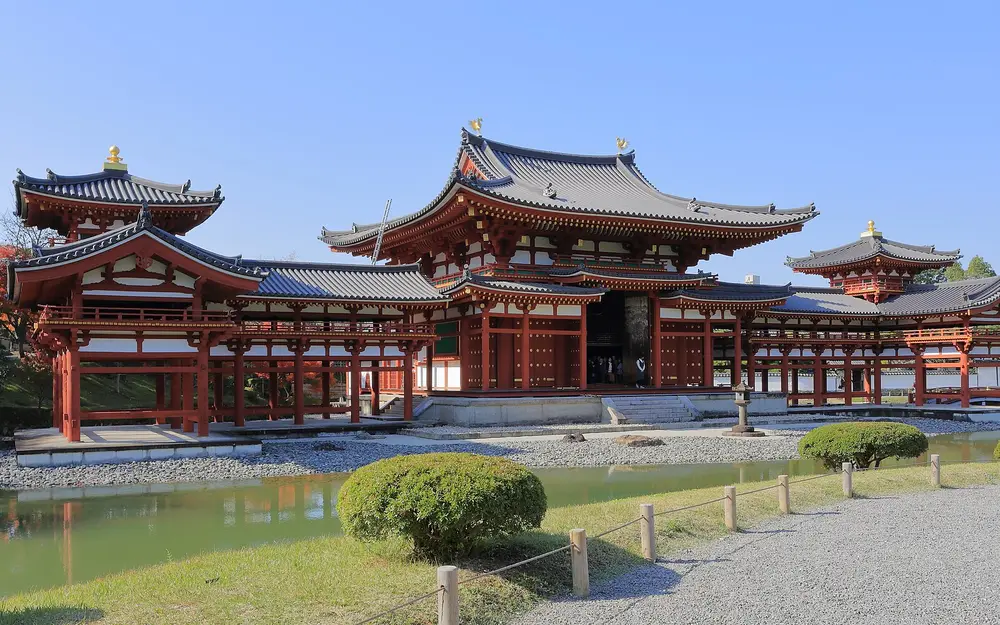
The Phoenix Hall is the one on the ¥10 coin: bring one for the photo. Uji is about 20–30 minutes from Kyoto on the JR Nara Line.

Price
About ¥700.
In the plan: day 5 ›See guided tours ›Affiliate link: if you book, Youtopia earns a small commission at no extra cost to you.
Ujigami Shrine15

Ujigami Shrine

Free

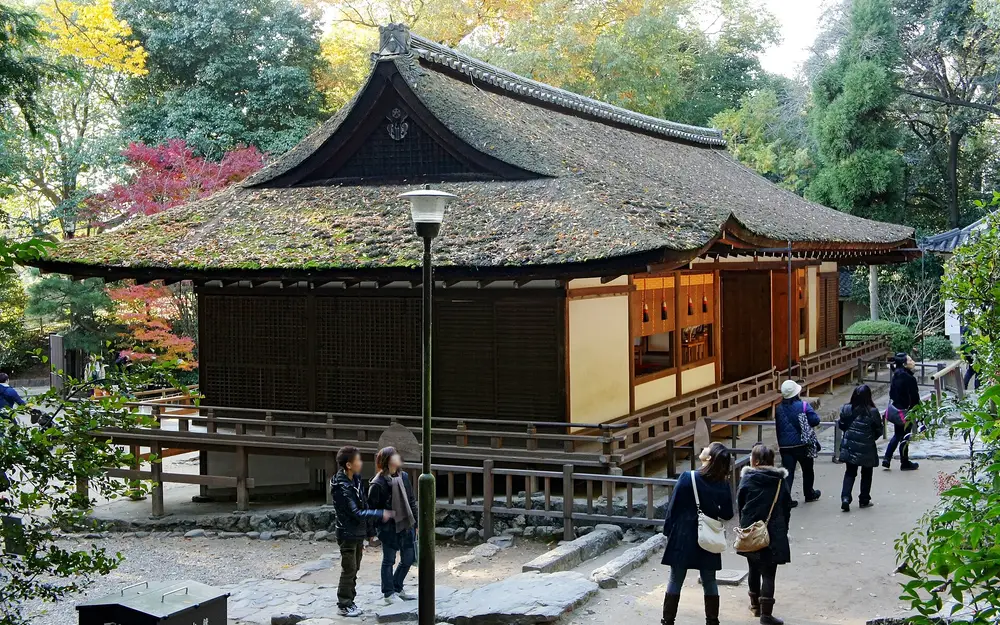
It’s considered the oldest surviving Shinto shrine in Japan. Small and very peaceful, across the river.

Walk along the Uji River16

Walk along the Uji River

Free

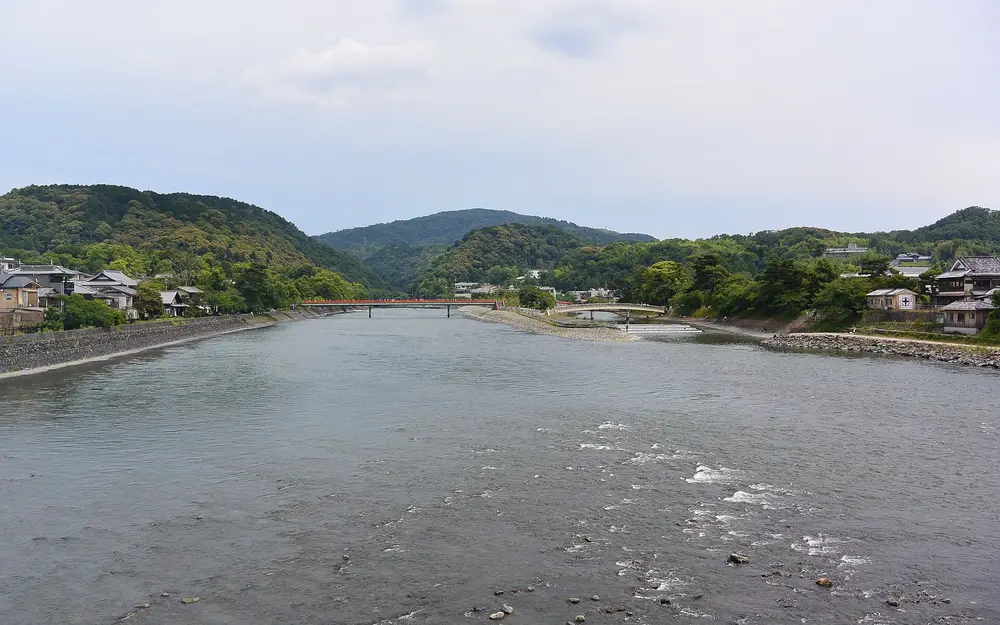
A waterside walk between the river islands, with the statue of Murasaki Shikibu, author of «The Tale of Genji», which is partly set here.

Nara Park17

Nara Park

FreeDay trip

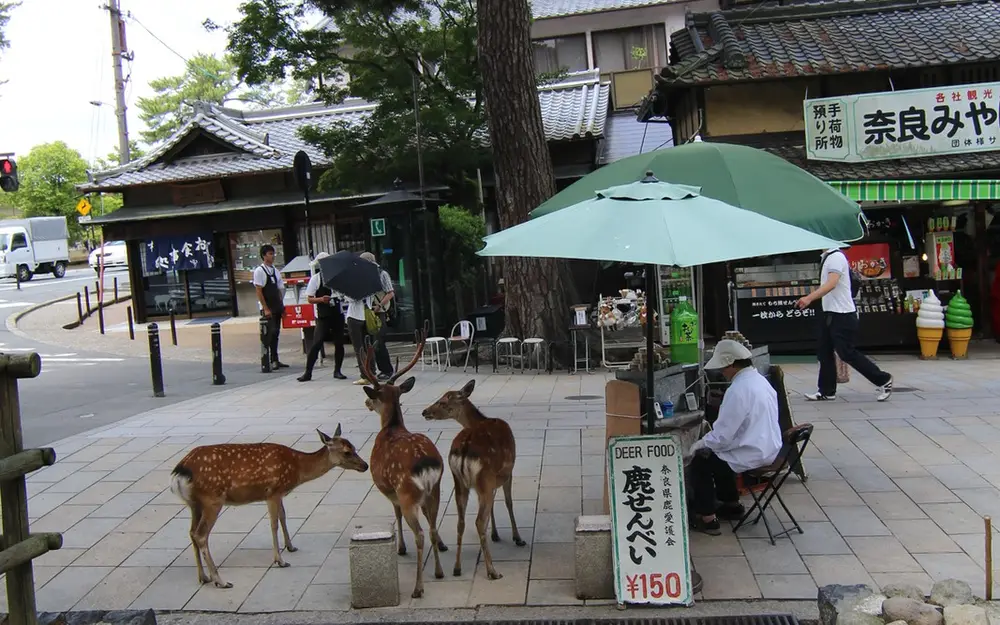
Deer roam free and bow if you offer them crackers («shika senbei», sold there). Careful: they nip and shove if they see food or paper.

In the plan: day 4 ›See guided tours ›Affiliate link: if you book, Youtopia earns a small commission at no extra cost to you.
Todai-ji18

Todai-ji

¥800 for the Great Buddha HallDay trip

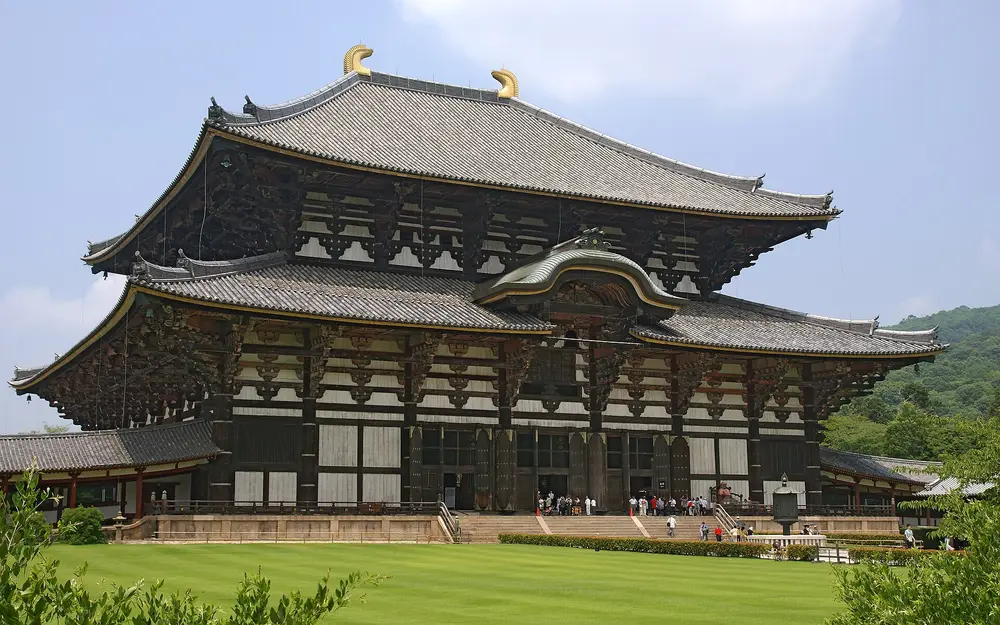
One of the world’s largest wooden buildings, with a 15-metre bronze Buddha. A pillar has a hole the size of the Buddha’s nostril: squeezing through is said to bring luck.

Price
¥800 for the Great Buddha Hall; with the museum, ¥1,200.
Kasuga Taisha Shrine19

Kasuga Taisha Shrine

The outer grounds are freeDay trip

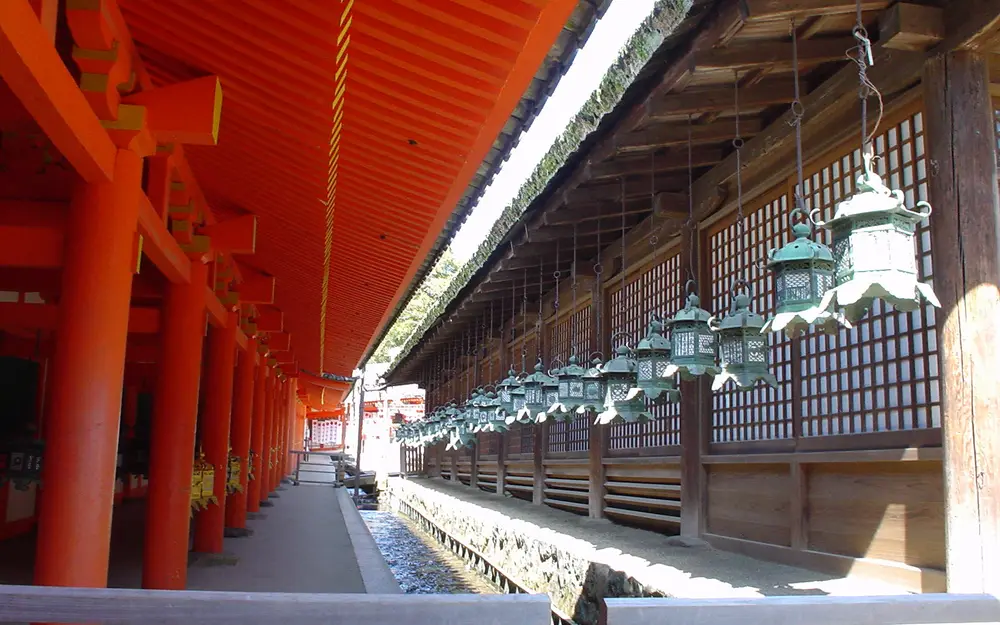
The path to the shrine is lined with thousands of moss-covered stone lanterns in the forest.

Price
The outer grounds are free; the inner area and the museum about ¥500 each.

Day trips from here

Nara45 min by train

The deer and Todai-ji’s Great Buddha. Already in the 4-day plan.

See guided tours ›

Uji20–30 min by train

Byodo-in and matcha tea. Already in the 5-day plan.

See guided tours ›

Osaka15–30 min by train

Street food in Dotonbori, the castle and nightlife.

See guided tours ›

Himeji45 min by shinkansen

Japan’s most beautiful original castle, white as a heron.

See guided tours ›

Kurama and Kibune1 h by train

Mountain villages with temples in the forest; in summer, meals over the river.

See guided tours ›

Affiliate link: if you book, Youtopia earns a small commission at no extra cost to you.

Kyoto, day by day

The ready-made plan with times, map and prices. Pick your days:

Where to stay to see it all

The handiest base is Kyoto Station: most of these places are a walk or a short ride away. All the areas ›

Yupi

The day-by-day plan, ready to use

The 3-day Kyoto itinerary with times, map and prices, ready to copy into your trip.

Keep planning Kyoto

Kyoto in 3 daysKyoto in 3 daysThe day-by-day plan with times, map and pricesWhere to stay in KyotoWhere to stay in KyotoThe best areas, with pros, cons and pricesWhat Kyoto costsWhat Kyoto costsBudget and a calculator for your group

Near Kyoto

If you have a spare day or want to combine two places in one trip.

From the blog

To plan the trip at your own pace.

FAQ

What should I see in Kyoto?

The essentials: Fushimi Inari Shrine, Kiyomizu-dera, Sannenzaka and Ninenzaka, Gion and Hanamikoji, Arashiyama Bamboo Grove and Tenryu-ji Temple.

What to see in Kyoto in one day?

With one day, Fushimi Inari Shrine, Kiyomizu-dera, Sannenzaka and Ninenzaka and Gion and Hanamikoji: that’s day one of our plan, with times and a map.

What can you see for free in Kyoto?

Fushimi Inari Shrine, Sannenzaka and Ninenzaka, Gion and Hanamikoji, Arashiyama Bamboo Grove, Togetsukyo Bridge, Philosopher's Path, Ujigami Shrine and Walk along the Uji River.

What is there to see near Kyoto?

The best day trips: Nara (45 min by train); Uji (20–30 min by train); Osaka (15–30 min by train); Himeji (45 min by shinkansen); Kurama and Kibune (1 h by train).

How many days do you need in Kyoto?

In 2 days you’ll see Fushimi Inari, Kiyomizu, Gion and Arashiyama. With 3 you add the Philosopher’s Path and the castle, with 4 Nara and with 5 Uji.

When is the best time to visit Kyoto?

Late March and early April for cherry blossom, and mid-November to early December for autumn leaves. They’re also the busiest times.

Prices checked in November 2026.

Photo credits