Tokyo mixes centuries-old temples with crossings of thousands of people and neon lights. The plan goes neighbourhood by neighbourhood (each one is almost a city) and, with more days, escapes to the Great Buddha of Kamakura.
Tokyo is huge, yet it runs like clockwork: trains on time to the second, clean streets, orderly queues and a striking sense of safety. Wooden temples next to skyscrapers, neighbourhoods that feel like different cities and great food at any hour.
Three days covers the essentials: Asakusa and its temple, Ueno and Akihabara; Harajuku, Shibuya and sunset from above; and Tsukiji, Ginza and the bay. The plan goes area by area because Tokyo is so big that mixing districts eats your day on trains.
It’s cheaper than it looks: the yen is weak, a bowl of ramen or a konbini lunch costs little and transport is cheap. Here you have the 2026 prices, how to get around with a Suica card and the etiquette worth knowing.
The essentials
Best time
Late March to May (cherry blossom) and October to November (autumn leaves). June is the rainy season and July and August are very hot and humid.
How many days
3 for the essentials; 4 with Kamakura; 5 for Tokyo’s neighbourhoods.
Entry
Many passports (EU, UK, US) need no visa for tourism (up to 90 days). Fill in Visit Japan Web before flying: it gives you a QR code for immigration and customs.
Currency
Yen (¥). Cards are increasingly accepted, but carry cash for temples, stalls and small bars.
Language
Japanese. Stations are signposted in English too.
Plugs
Types A and B, 100 V: most visitors need an adapter.
Tipping
Never: it can even seem rude.
Taxes
Since 1 July 2026 the departure tax is ¥3,000 (included in your air ticket). Hotels over ¥10,000 a night charge ¥100–200 lodging tax.
Shopping
Since 1 November 2026 you pay tax at the till and get it refunded when leaving Japan. Carry your passport when shopping.
Budget per person per day
Budget¥8,000–11,000Hostel or capsule, konbini and ramen, metro and one viewpoint or temple.
Mid-range¥18,000–25,000Business hotel sharing a room, restaurants, metro and two tickets.
Comfortable¥40,000 or moreCentral hotel, sushi and wagyu, sunset viewpoints and guided trips.
Per person per day, excluding flights. Estimated with 2026 prices. Eating well in Tokyo is cheaper than it looks; staying central is the expensive part.
Book the important bits
What sells out first in Tokyo: with free cancellation you can book now and change your mind later.
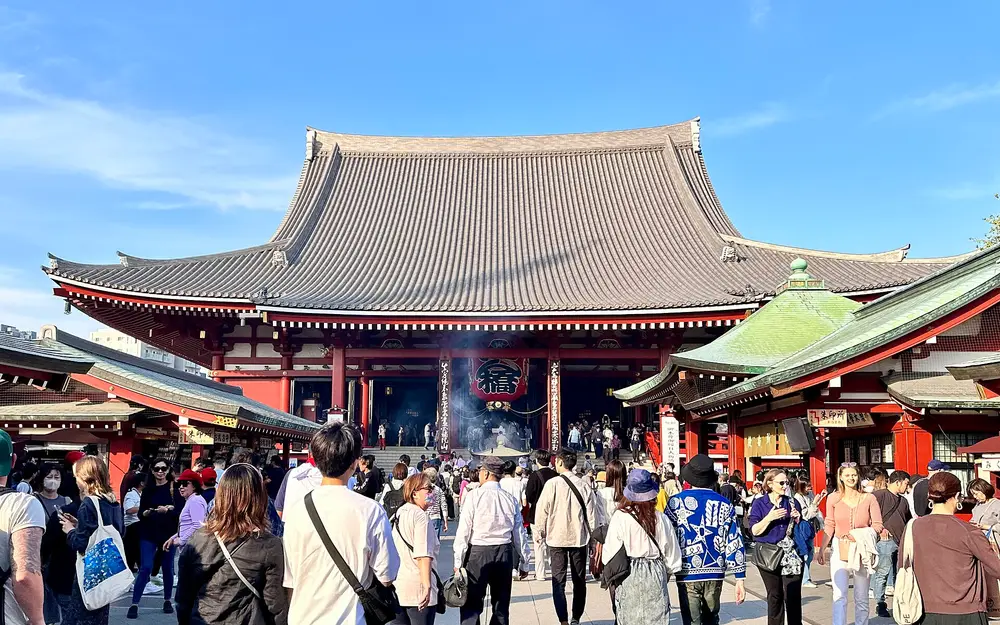
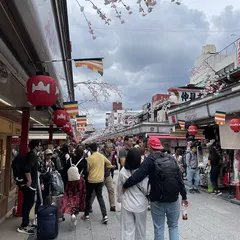
Tokyo’s oldest Buddhist temple, founded in 645. You enter through the Kaminarimon gate with its huge red lantern, then reach the main hall and the five-storey pagoda. You can draw an omikuji (paper fortune) for ¥100.
Getting there: Asakusa station (Ginza and Asakusa lines).
Best time: Before 8:00, when it’s nearly empty, or at night when it’s lit up.
Tip: At 8:30 it’s nearly empty; from 10:00, packed. At night, lit up and deserted, it’s a different visit. The «omikuji» fortunes cost a few coins: if you get bad luck, tie it at the temple and leave it there.
≈ 09:505 min walk
Nakamise Street
Activity · 45 min
Traditional snacks and souvenirs.
Getting there, hours and tips
Where to eat: Try ningyo-yaki (little cakes filled with red bean) and freshly made senbei (rice crackers). Eat by the stall: walking while eating is frowned upon.
≈ 10:5015 min walk
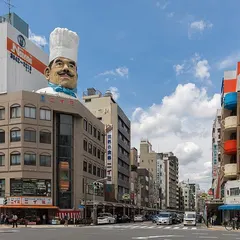
Kappabashi
Activity · 45 min
The kitchenware street, with the plastic food replicas from restaurant windows.
Price: Free
≈ 11:5520 min by transport
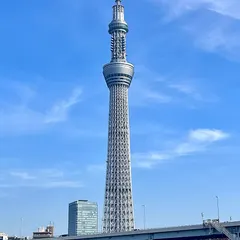
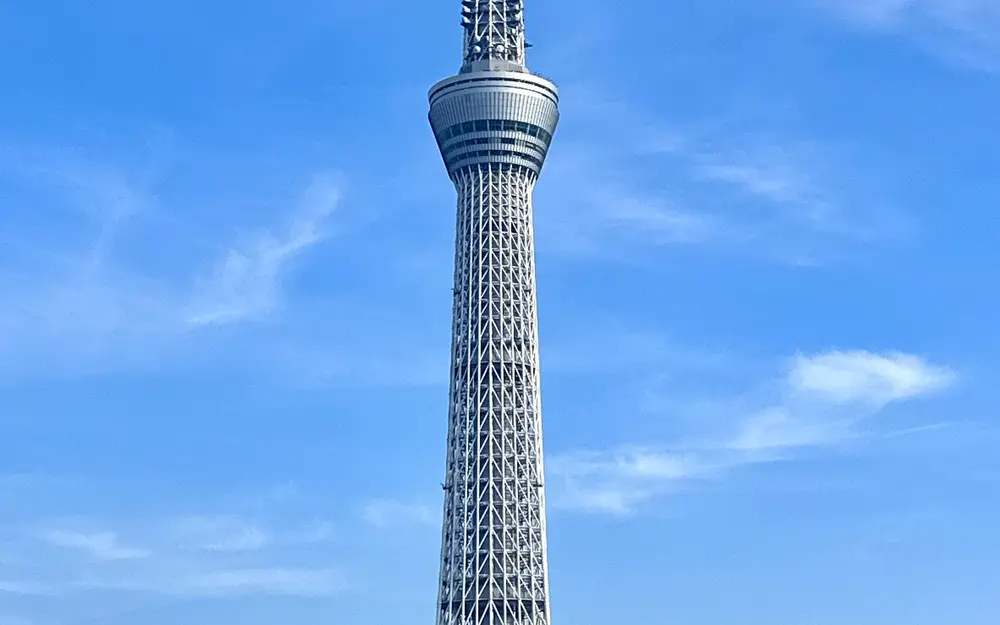
Tokyo Skytree
Sight · 1 h 30 min
634 metres: Japan's tallest tower.
Price: The 350 m deck costs about ¥2,100–2,600 depending on the day and whether you book ahead; with the 450 m deck, about ¥3,100–3,800Time needed: 1.5 hours
Photo, getting there and tips
Japan’s tallest tower at 634 metres. The decks are at 350 and 450 metres; on a clear day you can see Mount Fuji.
Getting there: Tokyo Skytree or Oshiage station, or a 20-minute walk from Asakusa across the river.
Best time: Early morning to spot Fuji; skies are usually clearest in winter.
Tip: Booking online in advance is cheaper. On clear winter mornings you can see Mount Fuji.
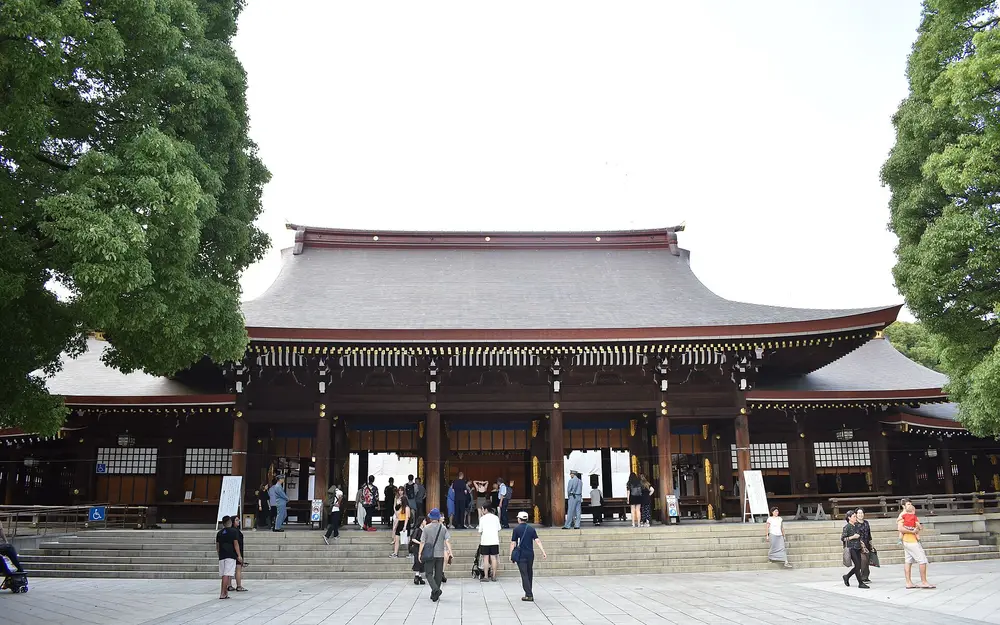
A Shinto shrine dedicated to Emperor Meiji, in a forest of about 100,000 hand-planted trees. You walk in under a giant wooden torii and within minutes the city noise disappears.
Getting there: JR Harajuku station or Meiji-jingumae metro.
Best time: Early morning.
Tip: A forest in the middle of the city: enter through the great torii in Harajuku. On weekend mornings there are sometimes traditional Shinto weddings.
≈ 10:1515 min walk
Takeshita Street
Activity · 45 min
Price: Free
Getting there, hours and tips
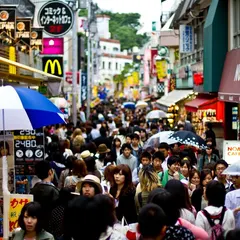
Tip: Youth fashion, crêpes and kawaii shops. At weekends you can barely move: weekday mornings are better.
≈ 11:2020 min walk
Omotesando
Activity · 45 min
Price: Free
Getting there, hours and tips
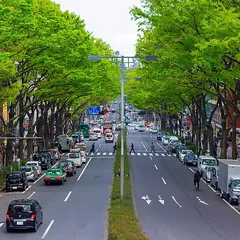
Tip: The avenue of luxury stores and modern architecture. The side streets (Ura-Harajuku) have the small shops and cafés.
≈ 13:0015 min walk
Lunch in Harajuku
Food · 1 h
Getting there, hours and tips
Where to eat: Gyoza, ramen and Japanese burger joints in the streets around Omotesando. Many places have a ticket machine at the door: you pay there and hand over the ticket.
≈ 14:2020 min walk
Shibuya Crossing
Activity · 30 min
Price: FreeTime needed: 30 minutes
Photo, getting there and tips
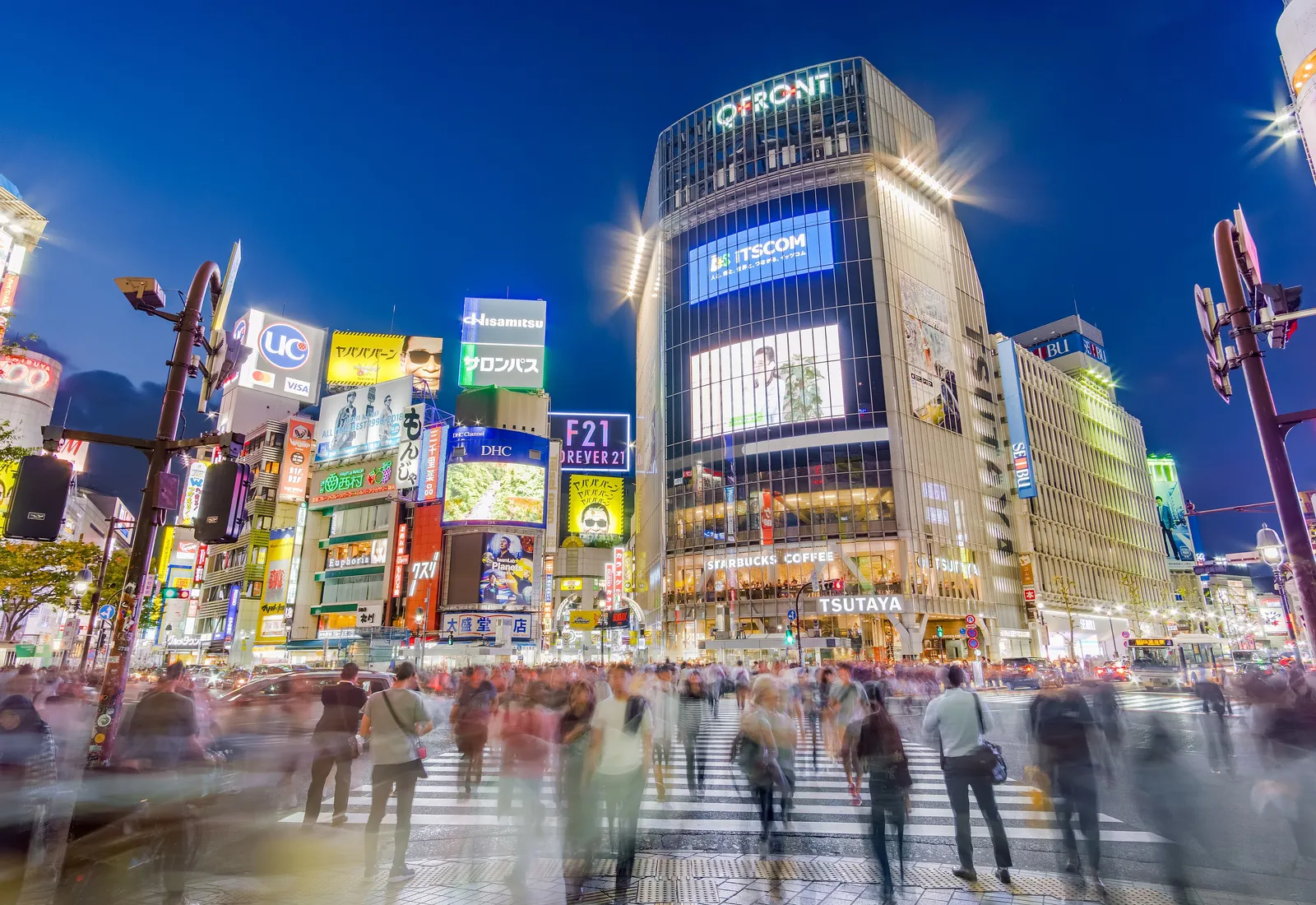
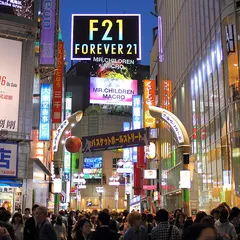
The world’s most famous pedestrian crossing: when the lights turn green, up to thousands of people cross in every direction at once. Next to it, the statue of the dog Hachiko.
Getting there: Shibuya station, Hachiko exit.
Best time: At dusk, with the screens lit up.
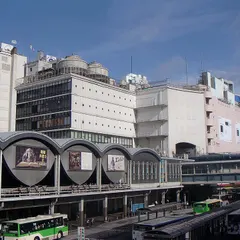
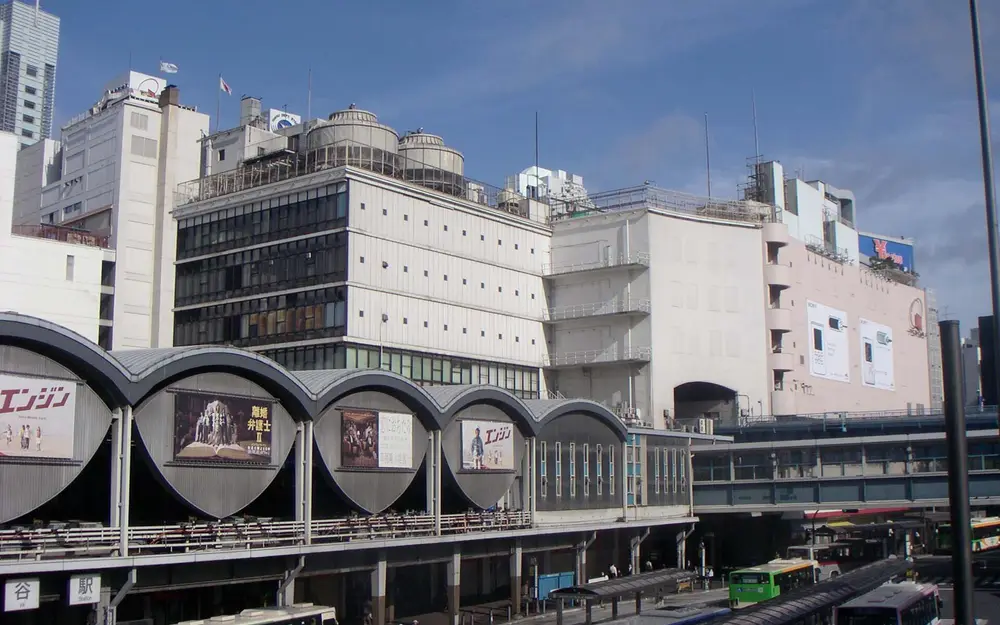
Tip: Cross it once, then watch it from above: from Shibuya Sky or the windows of the surrounding buildings. The Hachiko dog statue is right outside the station.
≈ 14:555 min walk
Miyashita Park and Center Gai
Activity · 1 h
A park on top of a shopping mall and Shibuya’s youth-fashion street.
Price: Free
17:0010 min walk
Shibuya Sky at sunset
Sight · 1 h 15 min
Book the sunset slot early.
Price: About ¥2,700 online for entry before 15:00 and about ¥3,400 later; sunset slots need booking days aheadTime needed: 1 hour
Photo, getting there and tips
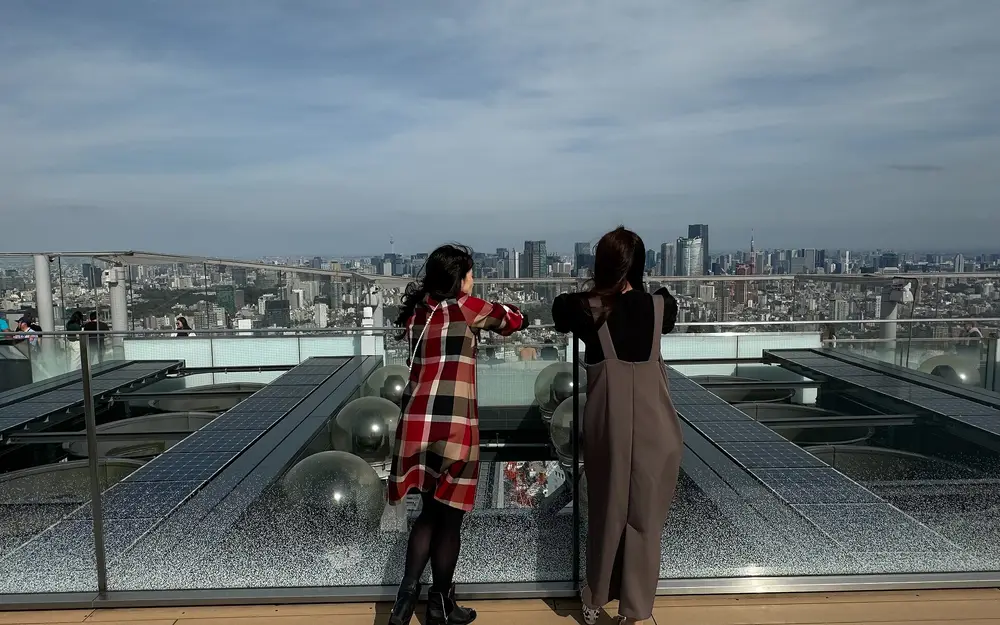
An open-air rooftop at the top of the Shibuya Scramble Square tower, with views over all of Tokyo and the crossing from above. Sunset slots sell out: book online days ahead.
Getting there: Above Shibuya station; access from the building’s 14th floor.
Best time: Book the slot starting 30–40 minutes before sunset.
Hours: 10:00–22:30 (last entry 21:20).
Tip: Bags and backpacks aren’t allowed on the open-air roof: there are lockers. If it rains or is very windy, the roof closes.
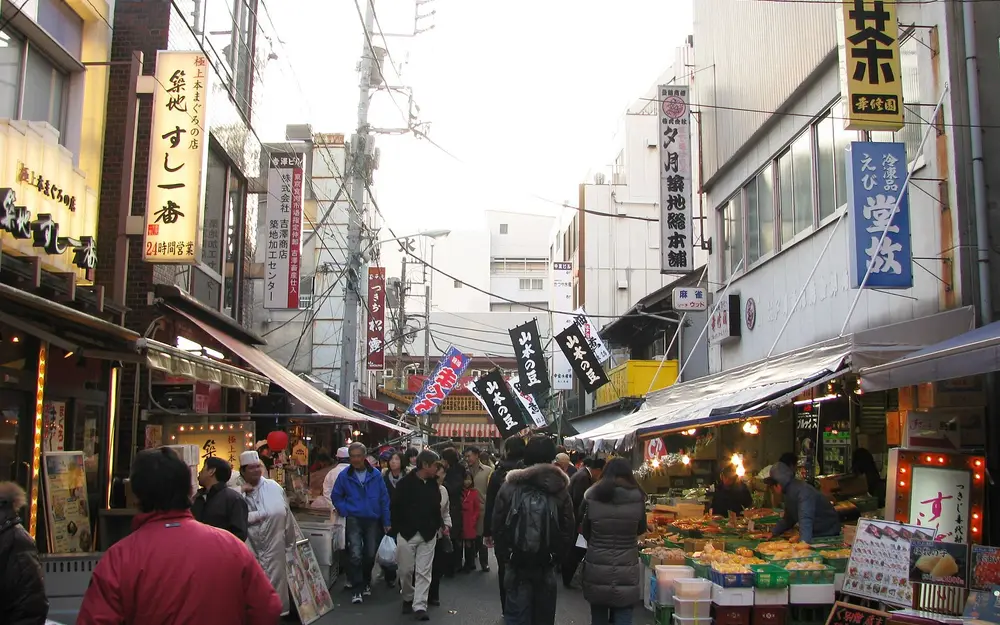
What remains of Tokyo’s old fish market: streets of stalls selling sushi, Japanese omelette (tamagoyaki), oysters and skewers to eat standing up. The wholesale market moved to Toyosu in 2018.
Getting there: Tsukiji (Hibiya line) or Tsukijishijo metro station.
Best time: Between 8:00 and 11:00: many stalls close by early afternoon.
Where to eat: The wholesale market moved to Toyosu, but the outer market remains: sweet omelette (tamagoyaki), breakfast sushi and grilled oysters. Go before 10:00; by afternoon many stalls have closed.
≈ 10:0015 min walk
Ginza
Activity · 1 h
Price: Free
Getting there, hours and tips
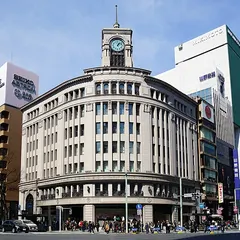
Tip: At weekends the main avenue (Chuo-dori) closes to traffic. The department store basements («depachika») have beautiful food to try.
≈ 11:3030 min walk
Imperial Palace East Gardens
Activity · 1 h
Closed Mondays and Fridays.
Price: The East Gardens are freeTime needed: 1 hour
Photo, getting there and tips
The East Gardens of the Imperial Palace, site of Edo Castle: stone walls, moats, a Japanese pond garden and the foundations of the old keep. Free.
Getting there: Otemachi metro or Tokyo station, then a 10-minute walk.
Best time: Closed on Mondays and Fridays: plan for another day.
Hours: Closed on Mondays and Fridays.
Tip: The palace where the emperor lives can’t be visited: the East Gardens are what remains of old Edo Castle, with its stone walls.
≈ 13:0015 min walk
Lunch in Marunouchi
Food · 1 h
Getting there, hours and tips
Where to eat: Tokyo Station has «Ramen Street», with several of the city’s best ramen shops, and the surrounding buildings have whole floors of restaurants.
≈ 14:2525 min by transport
teamLab Planets
Sight · 1 h 30 min
Barefoot, with water: wear clothes you can roll up.
Price: From about ¥3,800 on weekdays and a bit more at weekends, with a timed slotTime needed: 1.5–2 hours
Getting there, hours and tips
A digital art museum where you walk barefoot through rooms with knee-deep water, moving flowers and infinity mirrors. Timed tickets are required, and wear clothes you can roll up.
Getting there: Shin-Toyosu station (Yurikamome line), 1 minute away.
Best time: The first morning slot or on weekdays.
Tip: You go barefoot and in some rooms the water is knee-deep: wear trousers you can roll up (and no short skirts, the floors are mirrored). It’s due to close at the end of 2027.
A giant 20-metre robot outside the DiverCity mall.
Price: Free
≈ 17:0015 min walk
Rainbow Bridge at sunset
Activity · 1 h
Odaiba beach with the bridge and Tokyo Bay lighting up.
Price: Free
19:3025 min walk
Dinner in Odaiba
Food · 1 h 30 min
With the Rainbow Bridge lit up.
Getting there, hours and tips
Where to eat: Odaiba is an artificial island with malls and views of the lit-up Rainbow Bridge. Terrace restaurants have the best night view of the bay.
Times marked ≈ are estimates: they count how long each plan takes and the journey between them, just like the app.
Hidden corners most guides skip
Curious, lesser-known places worth the detour, each one checked.
1. Yanaka
Yanesen (Taitō)
The old Tokyo that survived the bombs: the Yanaka Ginza shopping street with its croquettes and cats, wooden temples and a cherry-lined cemetery where locals stroll. Free.
2. Nezu Shrine
Nezu (Bunkyō)
One of Tokyo’s oldest shrines, with a small tunnel of red torii gates without the Kyoto crowds and a hillside of azaleas that blooms in April. Free.
3. Gotoku-ji Temple
Setagaya
The temple where the lucky cat was born: thousands of little white maneki-neko figures with a raised paw, left by people making wishes. Free and in a quiet residential area.
4. Kōenji
Suginami (Chūō line)
Tokyo’s alternative neighbourhood: vintage clothes shops, tiny bars, live music and alleys under the tracks. Six minutes by train from Shinjuku and almost tourist-free.
5. Kiyosumi Garden
Kiyosumi-Shirakawa
A Japanese garden with a pond you cross on stepping stones, turtles, herons and a teahouse over the water. Cheap paid entry, in a neighbourhood of specialty coffee shops.
6. Tokyo Metropolitan Government observatory
West Shinjuku
A free observation deck on the 45th floor, 202 metres up, with all of Tokyo below and Mount Fuji on clear days. Open into the evening, no booking needed.
7. Hamarikyu Gardens
Shiodome
The shoguns’ old garden by the bay, with seawater ponds, a teahouse on the water serving matcha and a sweet, and the Shiodome skyscrapers behind. Cheap paid entry.
8. Kagurazaka
East Shinjuku
A sloping street with cobbled alleys where geishas once lived, now full of small restaurants and a slightly French feel. Free to wander; perfect for dinner.
How much this plan costs
¥9,600per person
Tokyo Skytree: ¥2,400
Shibuya Sky at sunset: ¥3,400
teamLab Planets: ¥3,800
Standard adult ticket (the EU-resident price where it differs) for the essentials of each stop, without optional extras (lifts, domes…), food or transport.
How much the whole trip costs
Budget
Mid-range
Comfort
Accommodation (3 nights)
¥10,500–15,000
¥27,000–39,000
¥66,000 or more
Food
¥7,500–10,500
¥15,000–21,000
¥30,000 or more
Getting around
¥2,400–3,600
¥4,500–6,000
¥12,000 or more
Tickets
¥3,600–3,900
¥7,500–9,000
¥12,000 or more
Total per person
¥24,000–33,000 (≈ €135–190)
¥54,000–75,000 (≈ €305–425)
¥120,000 or more (≈ €685 or more)
Per person, 3 days on the ground. Flights not included. Budget: hostel or capsule, ramen, konbini and supermarket food, and the metro. Mid-range: a business hotel sharing a room, restaurants, the metro and the plan’s tickets. October 2026 rate: €1 ≈ ¥175.
Flights: From Madrid or Barcelona with one stop, a normal return fare is about €750–1,000, with deals from about €670. There’s also a direct Iberia flight from Madrid, at a higher price.
RamenIn ramen shops you order at a ticket machine by the door. Tonkotsu (pork broth) and shoyu (soy) are the classics.
SushiFrom conveyor-belt sushi (kaiten), cheap and fun, to «omakase» sushi counters, far pricier.
TonkatsuCrispy breaded pork cutlet, with cabbage and sauce.
YakitoriGrilled chicken skewers in izakayas: the dinner-and-beer plan.
Konbini foodThe 24-hour stores (7-Eleven, Lawson, FamilyMart) sell excellent, cheap onigiri, sandwiches and hot dishes.
MonjayakiTokyo’s gooey pancake cooked on the tabletop griddle: Tsukishima has a whole street of them.
Izakayas charge a compulsory starter («otoshi») per person: it’s not a scam, it’s the custom.
Don’t eat while walking: eat by the stall or on a bench.
Expensive or famous sushi restaurants need booking weeks ahead.
Money and payments
CurrencyYen (¥). In October 2026, €1 ≈ ¥175. Cards are increasingly accepted, but carry cash for temples, stalls, small bars and machines.
ATMs7-Eleven (Seven Bank) and Japan Post ATMs accept foreign cards and have English menus. If offered your home currency, say no: choose yen.
Suica or PASMOThe rechargeable transport cards also work in konbini and drink machines. Tourists can get the Welcome Suica (no deposit, 28 days) or add Suica to their iPhone wallet.
TippingNever: it can even seem rude.
Tax-free shoppingSince 1 November 2026 you pay the consumption tax at purchase and get it back when you leave Japan: bring your passport to «Tax-free» shops.
Departure taxSince 1 July 2026, ¥3,000, already included in your air ticket.
Before you go
Passport and visaMany nationalities, including EU citizens, need no visa for tourism (up to 90 days); check your country’s rules. Your passport must be valid for the whole stay.
Visit Japan WebFill it in online before you fly: it generates the immigration and customs QR codes and saves paperwork on arrival.
Travel insuranceHealthcare is excellent but expensive for tourists: travel with medical insurance.
MedicinesSome common medicines (certain cold remedies or codeine-based ones) are banned in Japan. If you carry medication, check the official list first.
EtiquetteDon’t eat while walking, keep your voice down on trains and take your shoes off where asked.
What to pack
Socks without holes: you take your shoes off in temples, traditional restaurants and some lodgings.
Comfortable shoes that slip off easily.
A coin purse: ¥100 and ¥500 coins pile up.
A bag for your rubbish: there are hardly any bins on the street.
A type A adapter (two flat pins); the voltage is 100 V.
An umbrella in June (rainy season) and September (typhoons).
Apps that save the trip
Google MapsWorks brilliantly with trains: platform, the carriage closest to your exit and the exact exit.
Japan Travel by NAVITIMETrain routes, passes and free wifi, made for tourists.
GOTokyo’s most used taxi app, with in-app payment.
Google TranslateTranslates menus and signs with the camera. Youtopia also has a translator inside the trip.
YoutopiaThis day-by-day plan with a map, the bookings and the group’s expenses in yen and euros.
Tipping: it isn’t done, and staff may chase you to return it.
Going without cash: cards are increasingly accepted, but temples, stalls and small bars still need it.
Looking for bins: there are hardly any. Carry a bag for your rubbish.
Buying a JR Pass just for Tokyo: it’s no longer worth it unless you take several long shinkansen trips.
Going to Shibuya Sky at sunset without booking: it sells out days ahead.
Talking loudly or on the phone on trains.
Tips
Get a Suica or Pasmo card (or add one to your phone): it works on metro, trains and in shops.
There's no tipping in Japan.
Many small restaurants only take cash.
Mornings are best for temples and for Tsukiji market.
Flights and places to stay
Flights to TokyoReturn flights; you pick the dates on Trip.com. Affiliate link: if you book, Youtopia earns a small commission at no extra cost to you.
Find a place to stay in TokyoOpens the Booking.com search with the filter already set.
In 3 days you’ll see the essentials: Asakusa, Shibuya, Harajuku, Shinjuku and teamLab. With 4 you add Kamakura, and with 5 neighbourhoods like Shimokitazawa and Nakameguro.
Do I need a visa for Japan?
Many passports (EU, UK, US) don’t for tourism, up to 90 days. Fill in Visit Japan Web before flying to clear immigration and customs with a QR code.
How do you get from the airport to the city?
From Narita, the Skyliner (about ¥2,570, 41 minutes) or the Narita Express (from about ¥3,070). From Haneda, the Keikyu (about ¥330) or the monorail (about ¥520).
Should you tip in Japan?
No. It’s never done and can seem rude.
Which Tokyo viewpoint is best?
Shibuya Sky for the crossing and sunset; the Skytree, the tallest; Roppongi Hills, with the best view of Tokyo Tower.
How much is teamLab Planets?
From about ¥3,800 on weekdays, with a timed slot. It’s due to close at the end of 2027.
How does the Tokyo metro work?
With a Suica or PASMO card (or on your phone): tap at the gate going in and out and you’re charged by distance.
What changes with tax-free shopping in 2026?
Since 1 November 2026 you pay the price including tax and get it refunded when leaving Japan, at the airport.


 Kyoto3 days · from 2 to 5

 What kind of travel buddy are you?7 questions, 6 traveller types. Take it and send it to your group.Take the quiz
 Osaka3 days · from 2 to 4
 Busan3 days · from 2 to 4
 Seoul4 days · from 3 to 5
 Bangkok3 days · from 3 to 5
 Krakow3 days · from 2 to 5
 Las Vegas3 days · from 2 to 4
 Berlin3 days · from 2 to 5