

Japan in 14 days for first-timers: itinerary, budget and how to get around without buying the rail pass blind
Japan is a country you’ll want to come back to, but if it’s your first trip and you have two weeks, you’ll naturally want to see Tokyo, Kyoto and Osaka without spending the trip racing from station to station. Here’s a 14-day itinerary with some breathing room, alternatives depending on your interests and one key decision: adding up the trains you’ll actually take before buying the Japan Rail Pass.
Before we start: some accommodation and flight links are affiliate links. If you book through them, Youtopia may earn a commission at no extra cost to you. Prices change by date and availability; always check the final amount. The Japan Rail Pass details and the itinerary were checked against official sources on November 13, 2026.
Can you see Japan in 14 days?
Yes, as long as you see two weeks as a first taste, not a race to tick off the whole country. The Japan National Tourism Organization suggests the classic two-week route through Tokyo, Hakone, Kyoto, Osaka and Hiroshima. It also says that on a trip of around ten days to two weeks you can cover the so-called Golden Route at a reasonable pace. My tweak for a first trip is to choose which day trips actually add something for your group and to leave one or two afternoons free: an itinerary can look great on paper and wear you out if every day has three neighborhoods, a museum and a long train ride.
The distance between cities isn’t the only factor. Changing hotels takes time: you check out, haul your bags, get to the station, find your train and then travel on to your next place. That’s why I’d split the nights across just a few bases. Tokyo needs several days because its neighborhoods feel like different cities; Kyoto is better if you don’t try to squeeze temples from opposite ends of town into the same morning; and Osaka works well as a base for a day trip to Nara or to wrap up the trip.
The itinerary I’m suggesting covers 13 nights and leaves the last day for heading home. If your flight arrives and leaves from Tokyo, you’ll need to add a return transfer or reverse the order. If you can fly into Tokyo and out of Osaka, you avoid backtracking, though the flight price may change. Check open-jaw options first and compare the full cost, not just the ticket price. You can compare flights to Japan on Trip.comAffiliate link: Youtopia may earn a commission if you book, at no extra cost to you..
Don’t add a city just because it’s close on the map. Look at the door-to-door travel time and what you’ll give up in the base you’re leaving. In Japan, a full-day trip can be wonderful; squeezing it in after a late-night arrival is usually a recipe for exhaustion.
The 14-day itinerary at a glance
| Day | Base | Main plan |
|---|---|---|
| 1–4 | Tokyo | Easy arrival, eastern and western neighborhoods, a flexible day and an optional day trip. |
| 5 | Hakone | Transfer from Tokyo, mountain area and a night there if it fits the budget. |
| 6–9 | Kyoto | The historic center by area, Fushimi Inari, Arashiyama or an alternative day in Nara. |
| 10–11 | Osaka | Central neighborhoods, food, a free afternoon and an optional nearby day trip. |
| 12 | Hiroshima | Only if you’re interested and happy with a long day or an extra night. |
| 13 | Osaka or Tokyo | Back to your departure city, depending on your flight. |
| 14 | Departure | Transfer to the airport with plenty of time and leave Japan. |
The table is a skeleton, not a booking with fixed times. If your flight lands in the afternoon, day one isn’t a full sightseeing day. If you land at Narita, the transfer is different from Haneda; if you fly out of Kansai, don’t plan a Tokyo visit that same morning. Japan’s official guide lays out a two-week route connecting Tokyo, Hakone, Kyoto, Osaka and Hiroshima; I leave Hiroshima as an add-on so you can decide whether it suits your group and your flight time.
Days 1 to 4: Tokyo by neighborhood, not an endless list
I’d treat day one as landing and adjusting. Drop your bags, eat something nearby and take a short walk around your hotel’s neighborhood. Jet lag can wake you up very early or leave you running on empty mid-afternoon. If you arrive full of energy, visit somewhere easy to reach; I wouldn’t book an activity with a strict time slot that same afternoon. A flexible first day is especially useful when everyone in the group arrives from a different city or on different connections.
On day two, go for the more historic, eastern side of Tokyo: Asakusa and the area around Sensō-ji, with time to stroll the nearby streets. You don’t need to turn every stop into a two-hour visit. Afterwards, you can head to Ueno or the Akihabara area, depending on what the group is into. The key is giving the plan a direction rather than zigzagging east and west just because everyone saved a different recommendation on social media.
Day three can head to Shibuya, Harajuku and Shinjuku, but don’t try to cover every mall, viewpoint and famous street. The Shibuya crossing doesn’t take long to see; what eats up time is walking, shopping, stopping to eat and deciding what everyone wants to do. If you fancy a digital art experience like teamLab, check the venue, availability, opening hours and tickets on the official website before planning the rest of the day. Venues and exhibitions can change.
Save day four for a day trip or for fixing the itinerary. Kamakura, Yokohama, Nikko and other places often come up as trips from Tokyo, but they’re not interchangeable and the travel times differ. Pick one based on the season, your interests and the forecast. If the group would rather stay put, you can split the day between a museum, a less central neighborhood and a dinner without an early booking. Having a buffer day lets you make up for a visit you missed because of rain or tiredness.
Day 5: Hakone and whether to stay the night
Hakone can be a lovely pause between the big city and the Kansai region. JNTO’s official two-week route includes it. The area combines local transport, scenery and experiences that depend on the weather; I wouldn’t see it as a single attraction that’s guaranteed whatever the forecast. If Mount Fuji is a priority, remember that visibility can’t be promised. Adjust your expectations and have a backup plan for a cloudy day.
The practical decision is whether to spend a night in Hakone or visit it from Tokyo. Staying there saves a same-day round trip and lets you enjoy it at a slower pace, but it means moving your luggage and paying for another place. A day trip from Tokyo avoids changing hotels, though the day can get long. Compare door-to-door times and ask your accommodation how to get there from the station; some areas have several local transport options and the last stretch matters.
Days 6 to 9: Kyoto with visits grouped by area
Kyoto isn’t better enjoyed by seeing the most temples. Group places by area and leave time to walk. If you want the plan already laid out by neighborhood, see our guide to Kyoto in 4 days and our list of things to see in Kyoto. You could spend one day on the center and the east, depending on where you’re staying; another on Fushimi Inari and the places nearby; and another on Arashiyama and the west. Journeys get longer with crowds and transfers, so open the map and work out the order before you head out. Opening hours, tickets and rules can vary by site; check each one on its official page.
Keep a day for Nara if the group wants to get out of Kyoto. Don’t mix it with a morning in Arashiyama and a dinner booked at the other end of the city. Pick two or three stops, look up the train connection and count the time to get back. If Nara doesn’t appeal, you can stay in your base and explore at a slower pace, visit a garden or add a free afternoon. The trip doesn’t lose value because you skipped a day trip that appears on every must-see list.
Where you stay in Kyoto affects the logistics. Near the station can be handy for luggage and trains, while other areas make it easier to walk to sights or go out for dinner. Check bus and subway stops, the real walking distance and the policy on holding luggage. If you’re splitting your stay between Kyoto and Osaka, work out the transfer time with bags and check whether switching hotels actually saves you anything. You can search for places to stay in Kyoto on Booking.comAffiliate link: Youtopia may earn a commission if you book, at no extra cost to you..
Days 10 and 11: Osaka as a city and as a base
Osaka usually works very well at the end of the trip because it offers a different urban rhythm and connections onward to Kansai Airport. Keep a day to explore central areas and pick what interests you: markets, modern architecture, museums or food culture. Don’t reduce the city to a single neon-lit street. On a first visit, an afternoon and an evening can be enough to get a feel for it; if you’re into history or theme parks, you’ll need more time and pre-booked tickets.
Should you fit Hiroshima into two weeks?
It can make sense if Hiroshima’s history and a visit to Miyajima are priorities for you. JNTO includes Hiroshima and other stops in its two-week route. But adding it changes the trip: you need to factor in the time from Kansai, how long the visits take and whether you return to Osaka or stay in the area. I’d only add it if the group agrees to take time from another base or add an extra night. I wouldn’t cram Hiroshima into a day that starts in Kyoto and ends in Tokyo with luggage.
If you include it, decide the order and what you want to visit in advance. Check opening hours, bookings, accessibility and ferry or local transport conditions with the official operators. The trip to Miyajima includes a boat crossing, and schedules can change because of weather or maintenance. Don’t budget a full day trip based on the train ticket alone. For the Japan Rail Pass, check whether the line you want to use is covered and whether there’s a surcharge; not all fast services work the same way.
Japan Rail Pass: when it can pay off
Don’t buy the Japan Rail Pass on autopilot. Its official price for one adult in ordinary class is ¥50,000 for 7 days and ¥80,000 for 14 days when bought on the official website, while buying from authorized agencies abroad costs ¥53,000 and ¥84,000 respectively, according to the official price table checked on November 13, 2026. Prices are subject to change. Before paying, work out the specific journeys you’ll make and compare their total with the pass.
| Duration | Official online | Authorized agency outside Japan |
|---|---|---|
| 7 days, adult, ordinary | ¥50,000 | ¥53,000 |
| 14 days, adult, ordinary | ¥80,000 | ¥84,000 |
| 21 days, adult, ordinary | ¥100,000 | ¥105,000 |
The table alone doesn’t make the pass a good buy. On the suggested route, you could bunch several long journeys into one week and pay separately for city transport. Or you could buy individual tickets if you take fewer intercity trains. Use a reliable route planner and the rail companies’ official sites to confirm fares, coverage and conditions; the results depend on the exact route, the type of train and the date. JNTO recommends comparing against your itinerary and points out that regional passes may be a better fit if you’re visiting one specific area.
Keep one important quirk in mind: for certain Nozomi and Mizuho trains on the Tokaido, Sanyo and Kyushu lines, the Japan Rail Pass requires you to buy a special ticket. Seat reservations also have their own rules. If you buy online from the official website, you can make reservations before picking up the pass, according to the product’s terms. Confirm the current procedure, the pickup point and the office hours so you don’t discover on the last day that your station doesn’t offer the service you were expecting.
The pass doesn’t replace every transport fare in Japan either. Subways, private operators, local buses, airport trains and some lines may not be covered or may need an extra payment. For getting around cities, a rechargeable IC card can be handy, though you should check which system is available in your cities and how refunds and top-ups work. Don’t try to buy every possible transport card before you know your route: first work out which journeys you’ll make, then decide what makes the trip simpler.
Budget: how to estimate it without being sold a made-up number
There’s no single price for a 14-day trip to Japan. Flights vary with your departure city, the season, layovers and how far ahead you book; hotels vary with the neighborhood, weekends and room size; and two people can spend very different amounts on food and activities. A useful budget starts by separating fixed and variable costs and estimating them with your real dates. If you’re traveling as a group, use the total room price and don’t compare a double room with four dorm beds as if they were the same thing.
- Before you go: flights, luggage, accommodation, insurance, mobile data and dated tickets.
- On the road: intercity trains, city transport, food, sights and shopping.
- As a group: split shared accommodation and common costs; log personal expenses separately.
- Buffer: keep money aside for changes of plan, extra luggage or an alternative transfer.
For flights, compare arrival and departure airports and work out whether an open-jaw route is worth it. For hotels, check the cancellation policy, number of beds, luggage space and whether the price includes taxes. For trains, don’t convert yen with an exchange rate you memorized: use the day’s rate and add whatever margin your bank or card charges. Bookings you make today may be charged under different terms by the time the trip comes around.
Where to stay and how to split the bookings
In Tokyo, choose an area well connected to the places you plan to visit and to airport transport (I explain it in where to stay in Tokyo). The city is huge; sleeping next to a station doesn’t automatically mean you’ll be close to everything. In Kyoto, compare the central station with neighborhoods that have more local character, and check late-night connections. In Osaka, look at which station you’ll use for day trips and the airport. The best neighborhood for a short stay may not be the same as for a week.
If there are four or more of you, compare the price of a family room or a two-bedroom apartment, but add cleaning, taxes, deposits and transfers. Check whether the place accepts groups, how check-in works and what its noise rules are. Don’t assume a kitchen will cut your budget: it depends on whether you’ll actually shop and cook or be out all day.
Don’t book every night on a non-refundable rate if the plan still depends on flights or on how Hakone fits in. A flexible policy may cost more, but it reduces the risk of losing the booking if you change the order. Once the dates and cities are clear, compare places to stay in Tokyo on Booking.comAffiliate link: Youtopia may earn a commission if you book, at no extra cost to you. and search for places to stay in Kyoto on Booking.comAffiliate link: Youtopia may earn a commission if you book, at no extra cost to you.. For Hakone, check the terms directly with the property, because ryokan and their baths vary a lot.
Luggage and transfers: the detail that saves you fatigue
Big stations can have several entrances, long corridors and level changes. If you’re traveling with a large suitcase, consider whether you can carry it up stairs and whether your accommodation has an elevator. Luggage forwarding services can make a transfer easier, but check the timing, limits, drop-off hours and the provider’s terms before relying on one. Don’t send a suitcase the night before a connection you can’t miss.
Connectivity, payments and entry rules
Before you travel, check the entry requirements for your nationality and the latest official information. Don’t assume the rules are the same for everyone in the group. Check your passport, the permitted length of stay and any online formalities with the Japanese authorities and your own country’s foreign affairs department. If you have a layover in a third country, confirm the transit conditions too. Rules can change between planning the trip and departure.
For mobile data, compare roaming, a local SIM and an eSIM based on the length of your trip and each traveler’s phone. An eSIM only works if the device is compatible and unlocked; check coverage in the areas you’ll visit, the amount of data and when the validity period starts. In a group, it’s worth everyone having access to maps and the accommodation details, even if you later share a hotspot. Don’t rely on a single battery or on one person carrying all the information.
Japan is a place where carrying some cash can still be useful, but don’t decide the amount based on a one-size-fits-all rule. Check your bank’s advice, your card’s fees and the payment methods for specific activities. If you’ll withdraw money, find compatible ATMs and keep a backup card somewhere separate. Restaurants and transport may have specific rules; follow the signs and don’t assume a foreign card will work at every terminal.
How to plan the group trip with Youtopia
In Japan, the decisions multiply: how many nights in each base, whether Hakone is worth it, how to get around with luggage, which activities need tickets and who books each place. If all that information ends up scattered across messages and links, it’s easy for two people to book the same thing or for someone to miss a schedule change.
- Vote on the pace: three bases or four, with free days and clear priorities.
- Assign the bookings: one person handles flights, another compares hotels and another checks trains.
- Split the budget: flights, nights, trains, activities and shared expenses.
- Save the itinerary: journeys, addresses, confirmed times and a backup plan.
Bring dates, accommodation, activities and expenses together in a shared plan. Vote on the options and assign bookings before you buy.
Try it freeMy summary for planning Japan in two weeks
For a first visit, I’d book three to four nights in Tokyo, a stop in Hakone if it fits the budget, four nights in Kyoto and two or three in Osaka. I’d make Hiroshima a deliberate decision, not a stop added under pressure. Before buying the Japan Rail Pass, I’d add up the real journeys and check coverage; the 14-day pass costs ¥80,000 on the official website and ¥84,000 from authorized agencies abroad, according to the fare checked now. That figure can change, so check it again before you pay.
The ideal itinerary isn’t the one with the most names on it, but the one that lets the group enjoy itself without watching the clock all day. Choose a few priorities, group neighborhoods together, decide your nights before booking trains and leave room to change your mind. If an activity needs a ticket or has limited spots, check the official site and book it with enough notice. The rest of the trip can be built from walks, food and time to take the place in.
FAQ
How many days do you need for a first trip to Japan?
JNTO considers that around ten days to two weeks let you do the Golden Route through Tokyo, Kyoto and Osaka at a reasonable pace. With 14 days you can also add Hakone and, if it fits, Hiroshima.
Is the 14-day Japan Rail Pass worth it?
It depends on the total value of the covered journeys you’ll make. The ordinary adult price is ¥80,000 on the official website and ¥84,000 from authorized agencies outside Japan, according to the fare checked on November 13, 2026. Compare the cost by route and check for surcharges.
Can I use the Japan Rail Pass on every train?
No. Coverage depends on the company, line and service. Some Nozomi and Mizuho trains require a special ticket; check the conditions on the pass’s official website.
Is it better to stay in Kyoto or Osaka?
It depends on where you want to spend more time and on your sightseeing schedule. Compare door-to-door journeys, stations, luggage and evening plans before splitting or switching bases.
Do I need to book trains in advance?
Not every journey needs a reservation, but some popular services or reserved-seat trains may need planning. Check the conditions for each train and book ahead if your date or group has little flexibility.
Near Kyoto
If you have a spare day or want to combine two places in one trip.
Plans you can copy ready for your trip.
Day-by-day itineraries from our guides, with the route for each day, times and prices. Copy them into the app and change them together.
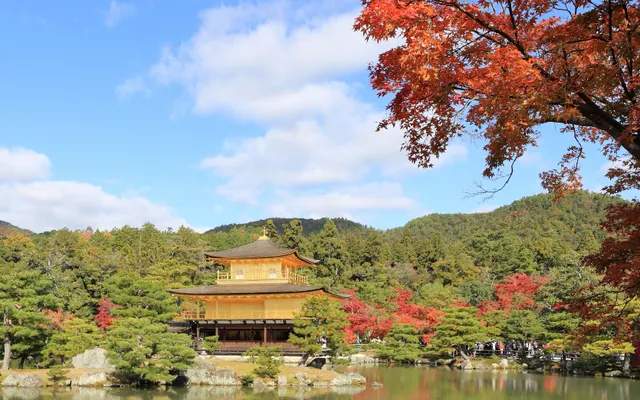 Kyoto3 days · from 2 to 5
 Tokyo3 days · from 3 to 5
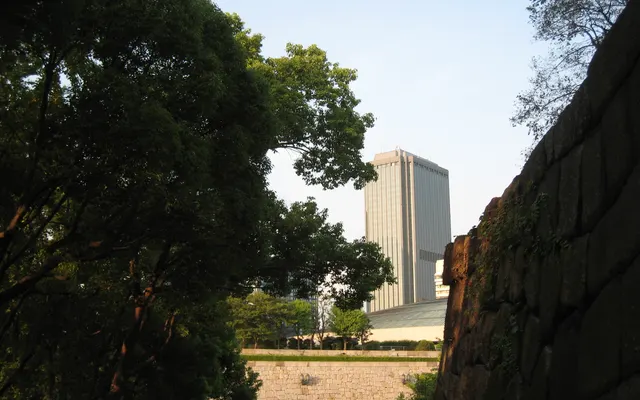 Osaka3 days · from 2 to 4
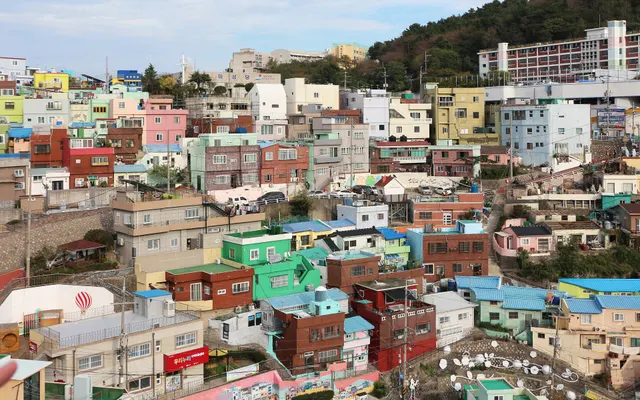 Busan3 days · from 2 to 4
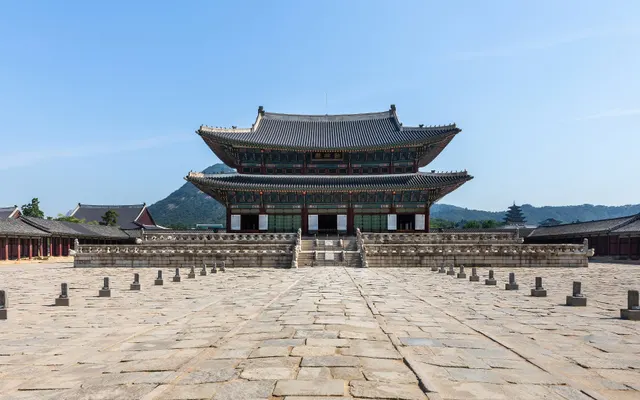 Seoul4 days · from 3 to 5
 Bangkok3 days · from 3 to 5
 Krakow3 days · from 2 to 5

Pick the type of trip, the pace and the budget, and Yupi builds the plan with real places. Then you vote and log the expenses. Free.
Photo credit
Dang Son (16:9 crop, converted to WebP) · Wikimedia Commons (CC0)