Kyoto was Japan's capital for over a thousand years and it shows: temples, gardens and wooden streets everywhere. The trick is to get up early, because the famous spots fill up by mid-morning. With more days, Nara and Uji are a short train ride away.
Kyoto was Japan’s capital for over a thousand years and keeps what Tokyo lost: more than sixteen hundred temples, shrines with thousands of red gates, Zen gardens, wooden townhouses and geiko crossing Gion at dusk.
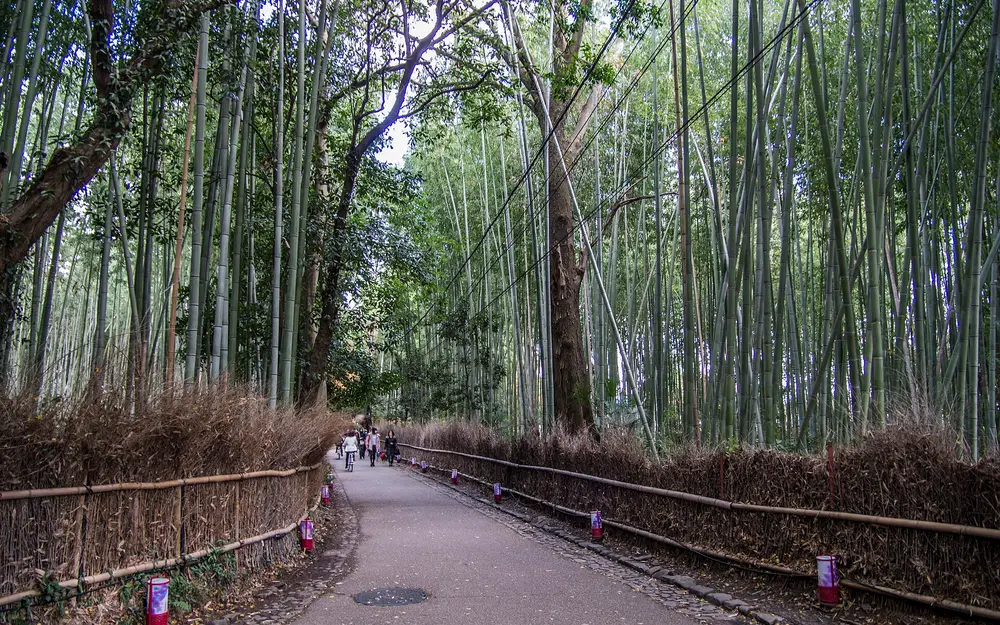
Three days covers the essentials: Fushimi Inari and Higashiyama with Kiyomizu-dera and Gion; Arashiyama with the bamboo grove; and the Golden Pavilion, the Philosopher’s Path and Nijo Castle. The plan goes area by area because Kyoto’s buses are packed and it pays to move little.
Temples cost ¥500–1,000 each, so the budget is easy to control. Here you have the 2026 prices (including the new accommodation tax), how to avoid the crowds and the rules to respect in Gion.
The essentials
Best time
Late March to early April (cherry blossom) and mid-November to early December (autumn leaves). July and August are very hot and humid.
How many days
2 for Fushimi Inari, Higashiyama and Arashiyama; 3 with the Philosopher’s Path and the castle; 4 with Nara; 5 with Uji.
Entry
Many passports (EU, UK, US) need no visa for tourism (up to 90 days). Fill in Visit Japan Web before flying.
Currency
Yen (¥). Carry cash: many temples, stalls and small restaurants don’t take cards.
Language
Japanese. Stations and major temples also have English signs.
Plugs
Types A and B, 100 V: most visitors need an adapter.
Tipping
Never.
Lodging tax
Since March 2026, ¥200 per person per night if the room costs under ¥6,000; ¥400 for ¥6,000–19,999; ¥1,000 for ¥20,000–49,999, and much more at luxury hotels.
Rules
Gion’s private alleys are off limits and geiko or maiko must not be photographed without permission. Don’t eat while walking.
Budget per person per day
Budget¥8,000–11,000Hostel, konbini and ramen, buses and two temples.
Mid-range¥18,000–25,000Hotel sharing a room, restaurants and three temples.
Comfortable¥45,000 or moreRyokan with kaiseki dinner, tea ceremony and guided trips.
Per person per day, excluding flights. Estimated with 2026 prices. Temple entries are cheap but add up: allow ¥1,500–2,500 a day.
Book the important bits
What sells out first in Kyoto: with free cancellation you can book now and change your mind later.
Price: Free, open 24 hoursTime needed: 1.5 hours (2–3 hours to the summit)
Photo, getting there and tips
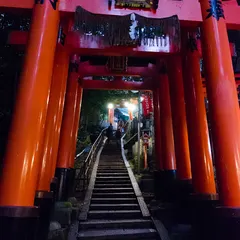
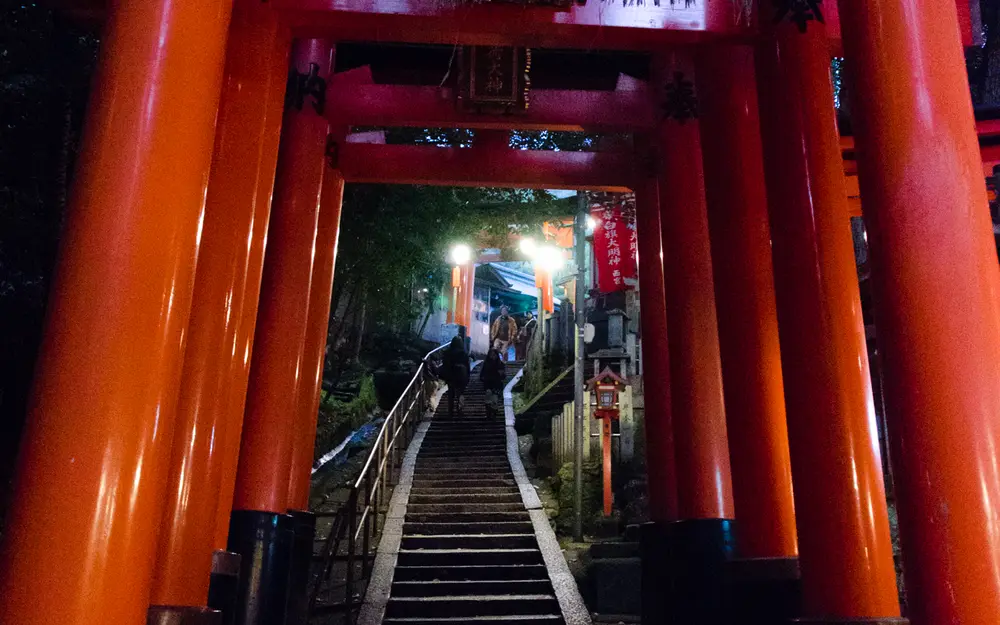
The shrine of thousands of red torii gates, dedicated to Inari, god of rice and business: each torii was donated by a company or family. The gate tunnels climb Mount Inari, and the higher you go, the fewer people.
Getting there: JR Nara line to Inari station: it’s right opposite.
Best time: Before 8:00 or at dusk: it’s open 24 hours.
Tip: Arrive before 8:00: from 9:00 the first stretches of torii are packed. Past the Yotsutsuji viewpoint (about 45 minutes up) there’s hardly anyone and the view over Kyoto is beautiful.
Its wooden bridge over a valley of maples is one of Kyoto’s loveliest sights in autumn.
Price: About ¥600 for the Tsutenkyo bridge (¥1,000 in autumn); the garden is separate
≈ 11:4525 min walk
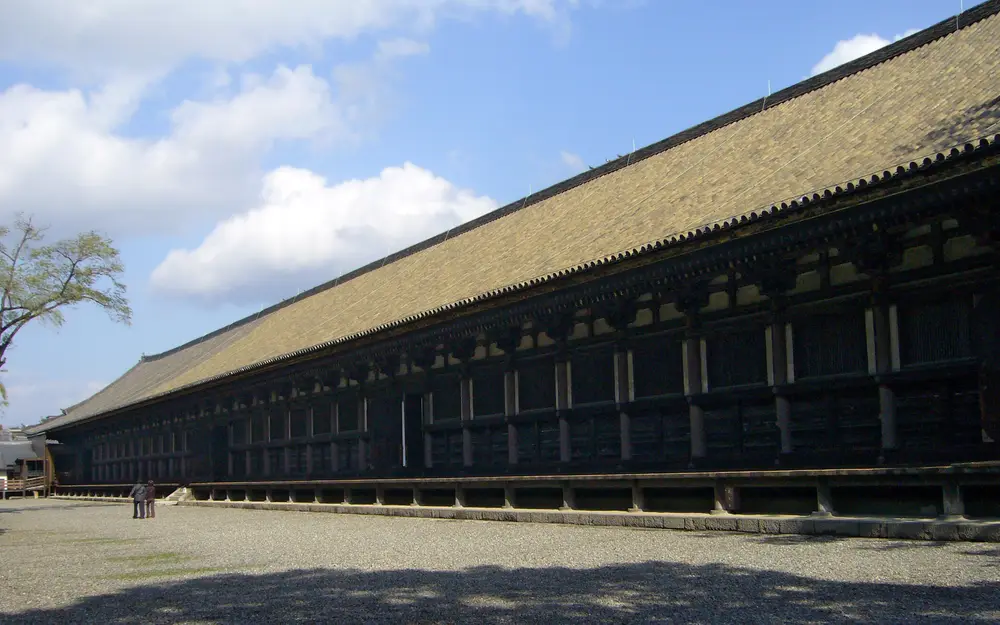
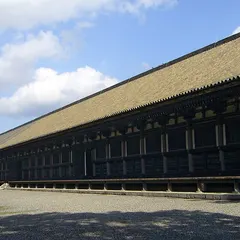
Sanjusangen-do
Sight · 45 min
1,001 golden Kannon statues lined up in a 120-metre wooden hall.
Price: About ¥600
≈ 13:0020 min by transport
Nishiki Market
Food · 1 h
"Kyoto's kitchen": graze from stall to stall.
Time needed: 1 hour
Photo, getting there and tips
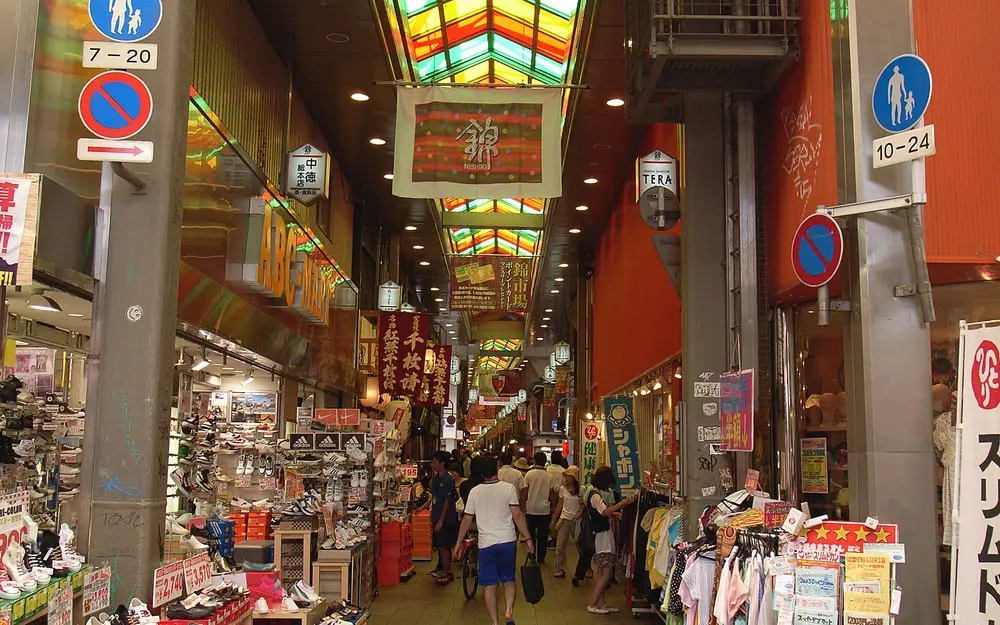
Kyoto’s «kitchen»: a covered street of about 400 metres with over a hundred stalls of pickles, tofu, fish, sweets and skewers to try.
Getting there: Karasuma subway to Shijo, or Hankyu line to Karasuma.
Best time: Mid-morning; many stalls close early and you don’t eat while walking.
Where to eat: «Kyoto’s kitchen»: baby octopus skewers, tamagoyaki, pickles and matcha. Eat at the stall: walking while eating is banned in the market.
≈ 14:2020 min by transport
Kiyomizu-dera
Sight · 1 h 30 min
The wooden terrace over the forest.
Price: About ¥500Time needed: 1 hour
Photo, getting there and tips
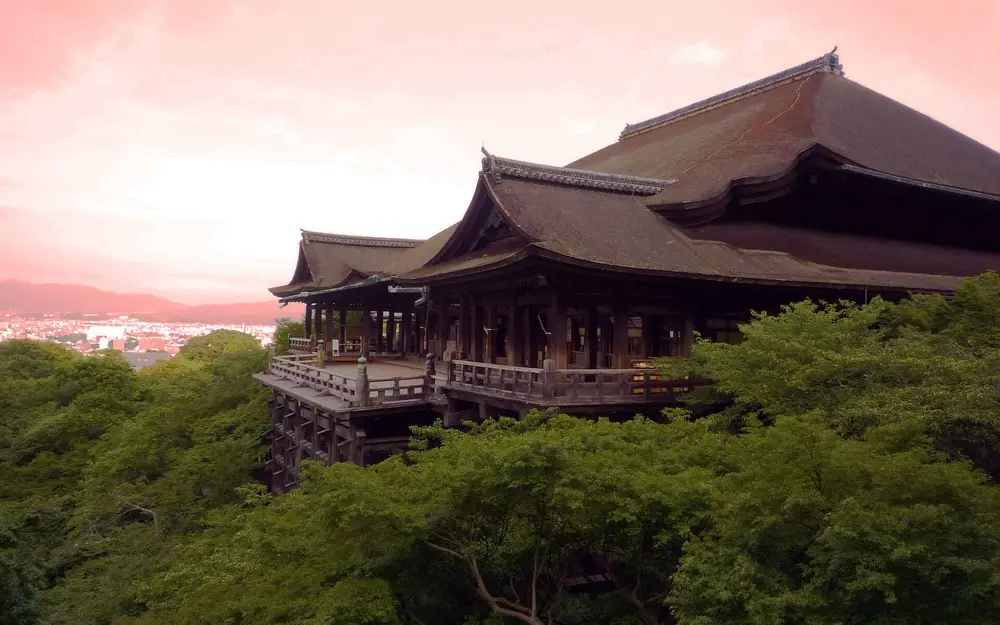
A temple founded in 778 on a hillside, with a great wooden stage supported by hundreds of pillars without a single nail. From there you see all of Kyoto, and below is the three-stream fountain whose water brings health, love or success.
Getting there: Bus 206 or 100 to Gojo-zaka or Kiyomizu-michi, then 10 minutes uphill.
Best time: At opening (6:00), before school groups arrive.
Tip: The great wooden stage hanging over the forest is Kyoto’s signature shot. Go early or late afternoon; in autumn there are night visits with the temple lit up.
≈ 16:0010 min walk
Sannenzaka and Ninenzaka
Activity · 1 h
Slopes of old houses and tea shops.
Price: Free
Getting there, hours and tips
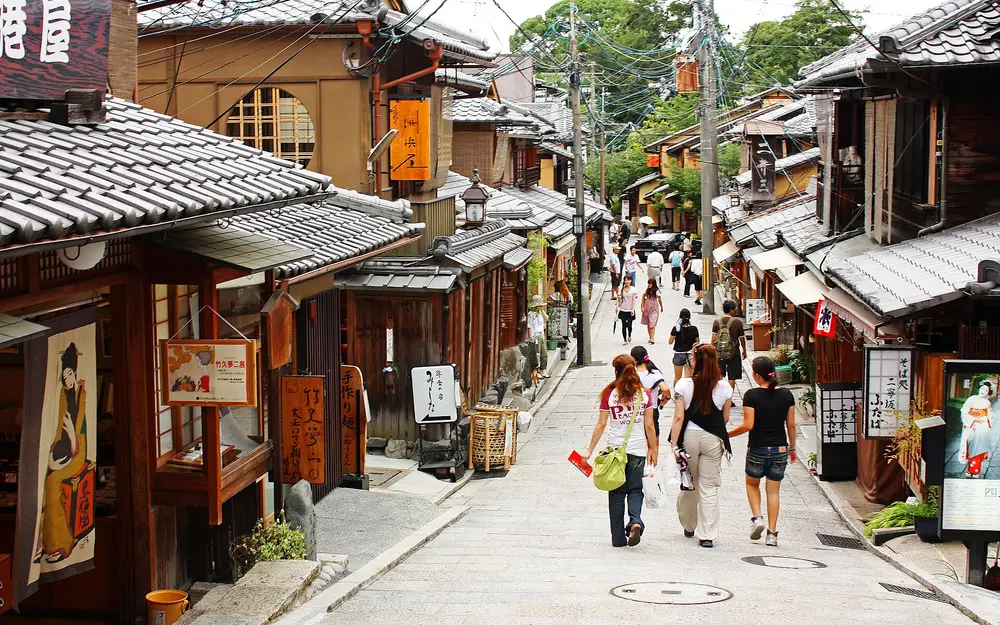
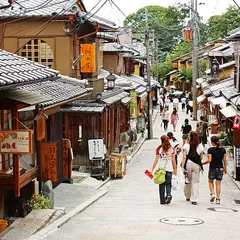
Tip: The stone slopes with wooden houses running down from Kiyomizu. There’s a Starbucks in a traditional house with tatami. Mind the Sannenzaka steps: legend says whoever falls has three years’ bad luck.
≈ 17:2020 min walk
Gion and Hanamikoji
Activity · 1 h
At dusk you may spot a maiko.
Price: FreeTime needed: 1 hour
Photo, getting there and tips
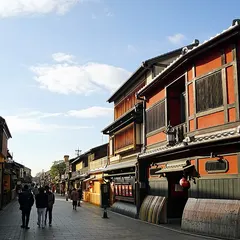
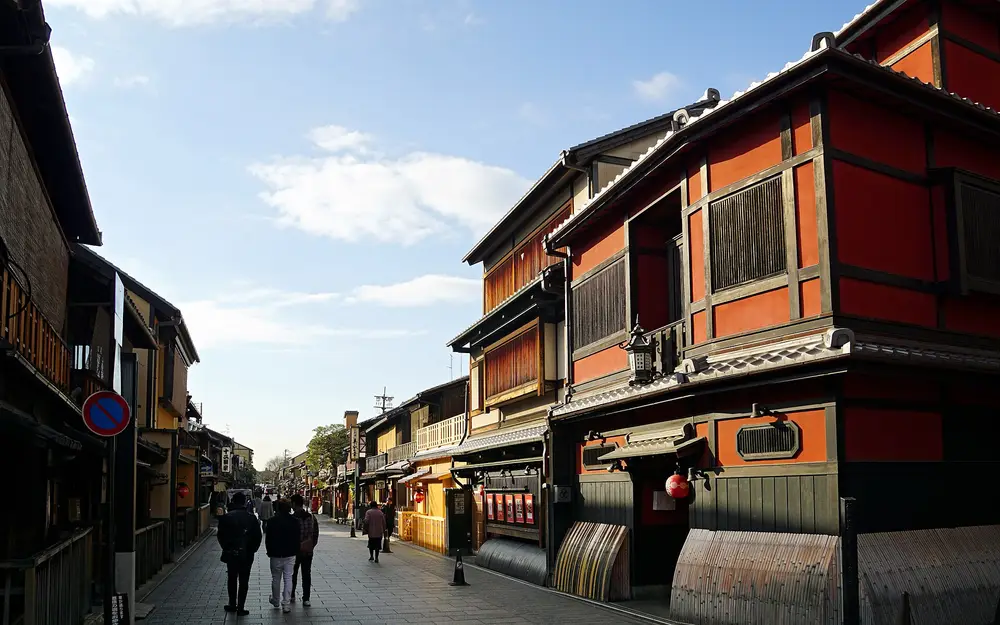
The geiko district, with wooden teahouses and lanterns. At dusk you may see a maiko on her way to an appointment: watch from a distance and don’t block her way.
Getting there: Keihan line to Gion-Shijo.
Best time: At dusk.
Tip: Gion’s private alleys are off limits (signs and fines of up to ¥10,000). If you see a geiko or maiko, don’t follow or stop her for photos. Shirakawa Street, with its canal and willows, is loveliest at dusk.
Where to eat: A narrow alley by the Kamo River packed with restaurants; in summer (May to September) many set up terraces over the river («kawadoko»). Check prices first: some are expensive.
Day 2 Arashiyama and the Golden Pavilion
The bamboo grove, a Zen temple with a garden and the gold-covered temple.
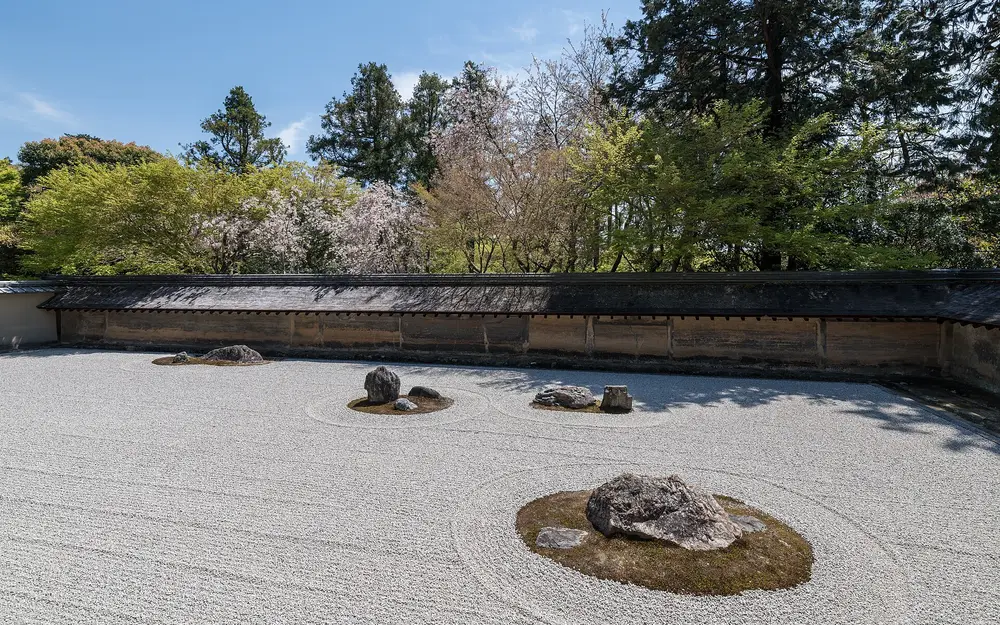
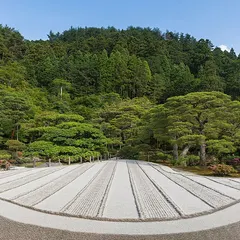
Japan’s most famous Zen garden: 15 stones on raked gravel, placed so that you can never see all of them at once. Sit on the veranda and take your time.
Getting there: 20 minutes on foot from Kinkaku-ji or bus 59.
Tip: The most famous Zen rock garden: 15 stones, but from no spot can you see them all at once. Sit for a while in silence.
Day 3 The Philosopher's Path and the castle
A canal-side walk between temples, and the shoguns' castle.
Tip: It isn’t silver, but its sand garden with the cone imitating Mount Fuji and the moss path are worth it. It’s the start of the Philosopher’s Path.
≈ 10:1010 min walk
Philosopher's Path
Activity · 1 h
2 km along a cherry-lined canal.
Price: FreeTime needed: 1 hour
Photo, getting there and tips
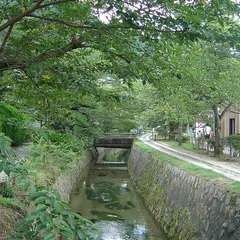
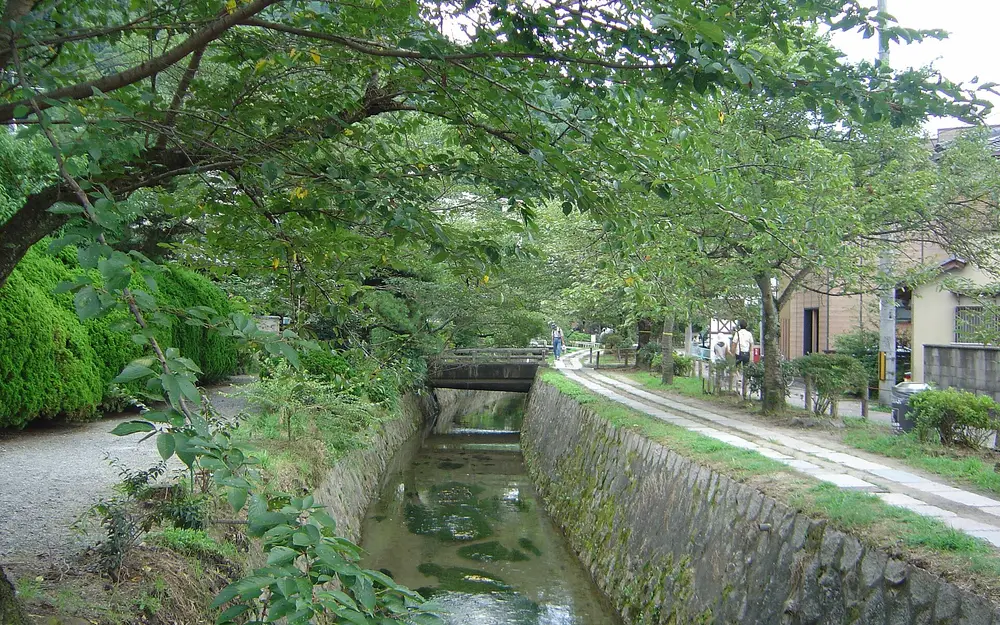
A walk of about 2 km beside a cherry-lined canal, between Ginkaku-ji and Nanzen-ji, with small temples and cafés along the way.
Best time: Spring and autumn, in the morning.
Tip: About 2 km along a cherry-lined canal, from Ginkaku-ji towards Nanzen-ji. Early April and late November are spectacular (and crowded).
≈ 11:3525 min walk
Nanzen-ji
Sight · 1 h
Look for the brick aqueduct.
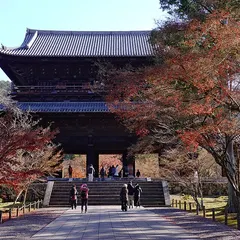
Price: The grounds are free; climbing the great Sanmon gate costs about ¥600
Getting there, hours and tips
Tip: Don’t miss the 19th-century brick aqueduct running through the temple: a very photogenic spot.
≈ 13:0015 min walk
Lunch near Okazaki
Food · 1 h
Getting there, hours and tips
Where to eat: Around Okazaki and Heian Shrine there are handmade udon and soba restaurants: simple and cheap.
≈ 14:2525 min by transport
Nijo Castle
Sight · 1 h 30 min
Its "nightingale" floors squeak to warn of intruders.
Price: About ¥1,300 with Ninomaru Palace; grounds only, about ¥800Time needed: 1.5 hours
Photo, getting there and tips
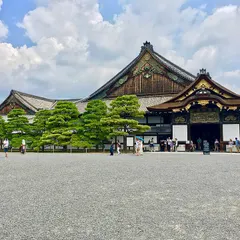
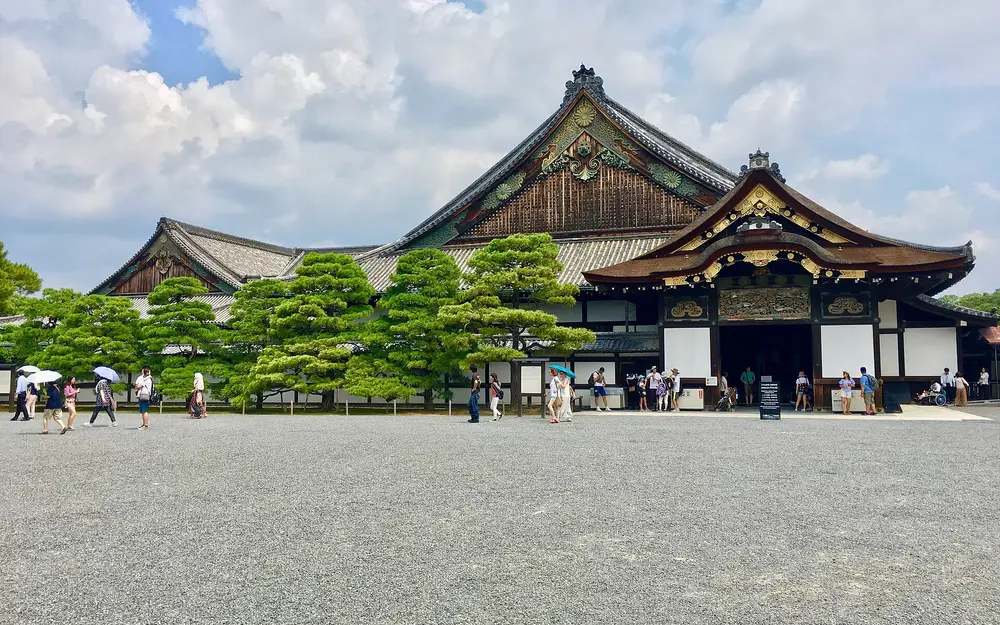
The Kyoto residence of the Tokugawa shoguns, from 1603. In Ninomaru Palace the «nightingale floors» chirp when walked on, to warn of intruders.
Getting there: Tozai subway to Nijojo-mae.
Tip: Ninomaru Palace has «nightingale floors» that chirp when stepped on, to warn of intruders. Inside the palace you go shoeless.
≈ 16:1520 min by transport
Higashi Hongan-ji
Sight · 45 min
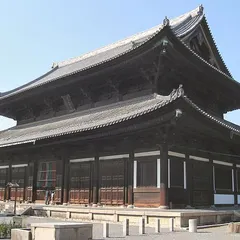
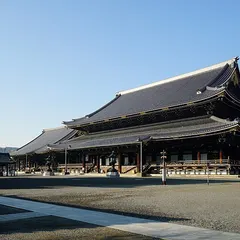
One of the world’s largest wooden buildings, 10 minutes from the station.
Price: Free
≈ 17:1010 min walk
Kyoto Tower
Sight · 45 min
The viewpoint next to the station, with the whole city and its mountains around.
Price: About ¥900
19:005 min walk
Dinner at Kyoto Station
Food · 1 h 30 min
Whole floors of ramen restaurants.
Getting there, hours and tips
Where to eat: The station has a whole floor of ramen (Kyoto Ramen Koji) and restaurants in the department stores. Go up to the building’s rooftop: it’s free and has city views.
Day 4 Day trip to Nara
Bowing deer, Japan's largest bronze Buddha and thousands of stone lanterns. 45 minutes away by train.
Price: ¥800 for the Great Buddha Hall; with the museum, ¥1,200
Getting there, hours and tips
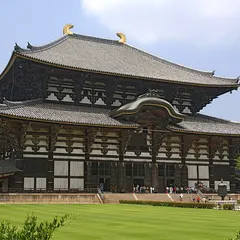
Tip: One of the world’s largest wooden buildings, with a 15-metre bronze Buddha. A pillar has a hole the size of the Buddha’s nostril: squeezing through is said to bring luck.
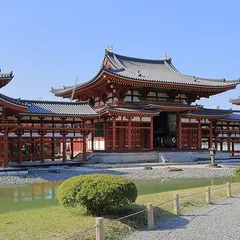
Where to eat: Uji is the home of matcha: ice cream, sweets, green tea noodles and tea ceremonies in the teahouses on the street leading to Byodo-in.
≈ 14:1010 min walk
Ujigami Shrine
Sight · 30 min
Japan's oldest Shinto shrine building.
Price: Free
Getting there, hours and tips
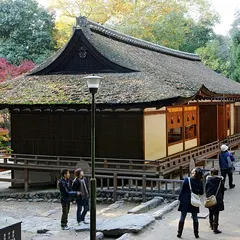
Tip: It’s considered the oldest surviving Shinto shrine in Japan. Small and very peaceful, across the river.
≈ 14:5010 min walk
Walk along the Uji River
Activity · 45 min
Price: Free
Getting there, hours and tips
Tip: A waterside walk between the river islands, with the statue of Murasaki Shikibu, author of «The Tale of Genji», which is partly set here.
≈ 16:1035 min by transport
Fushimi sake district
Sight · 1 h
Sake warehouses along a canal, on the way back to Kyoto: a museum with tasting at Gekkeikan.
Price: About ¥600 for the museum with tasting
Getting there, hours and tips
Hours: Last entry around 16:00.
19:3040 min by transport
Farewell dinner in Kiyamachi
Food · 2 h
By the Takase canal, back in Kyoto.
Getting there, hours and tips
Where to eat: The street along the Takase Canal has izakayas and bars open late: good for a group farewell.
Times marked ≈ are estimates: they count how long each plan takes and the journey between them, just like the app.
Hidden corners most guides skip
Curious, lesser-known places worth the detour, each one checked.
1. Otagi Nenbutsu-ji
North Arashiyama
1,200 moss-covered stone statues of Buddha’s disciples, each with a different face: some laughing, some drinking sake or playing guitar. Paid, about 20 minutes’ walk from the bamboo grove.
2. Gio-ji
Arashiyama
A tiny temple with a whole garden of moss under maples, tied to the story of a dancer who withdrew here in the 12th century. Paid and beautiful in autumn or in the rain.
3. Kurama and Kibune
Northern mountains (Eizan train)
Two mountain villages linked by a forest trail, with Kurama temple above and Kibune shrine with its stairway of red lanterns below. A half-day trip by train from Demachiyanagi.
4. The Kamo River turtle stones
Demachiyanagi
Where the two rivers meet, locals cross by hopping on turtle-shaped stepping stones. Free, a classic of Japanese films, with picnic spots by the water.
5. Kawai Kanjiro’s House
Gojozaka
A great potter’s house and workshop, untouched, with his climbing kiln, furniture he carved himself and a silence you won’t find five minutes away at Kiyomizu. Cheap paid entry.
6. Shimogamo Shrine
North (Demachiyanagi)
One of Kyoto’s oldest shrines, at the end of a sacred forest that has never been cut, with streams and an earth path between huge trees. Free.
7. Daitoku-ji
North (Murasakino)
A huge Zen complex with over twenty sub-temples and some of Kyoto’s finest rock gardens, such as Daisen-in and Koto-in. Walking around is free; each garden is paid.
How much this plan costs
¥9,400per person
Tofuku-ji Temple: ¥600
Sanjusangen-do: ¥600
Kiyomizu-dera: ¥500
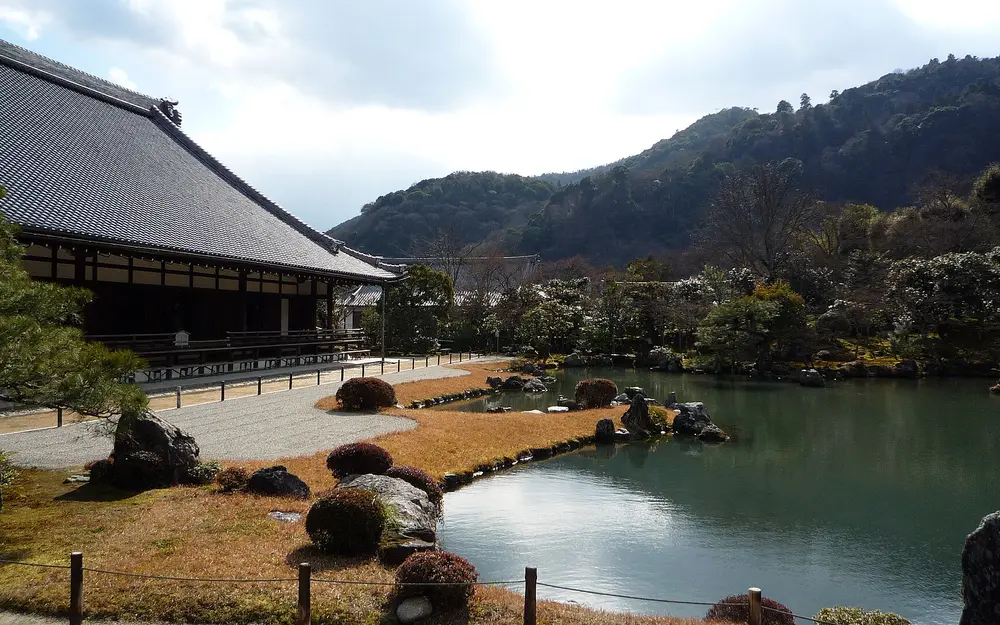
Tenryu-ji Temple: ¥500
Monkey Park Iwatayama: ¥800
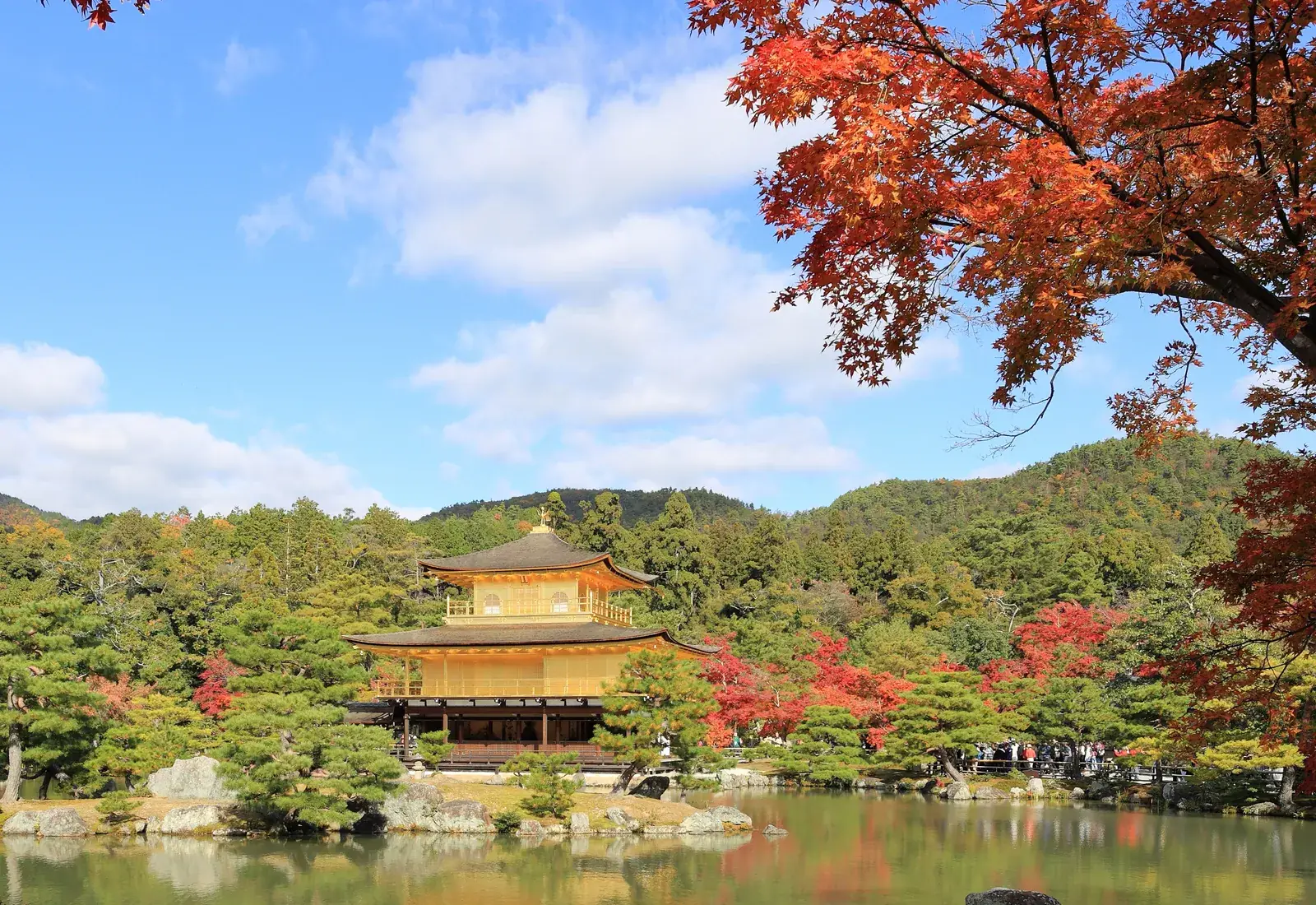
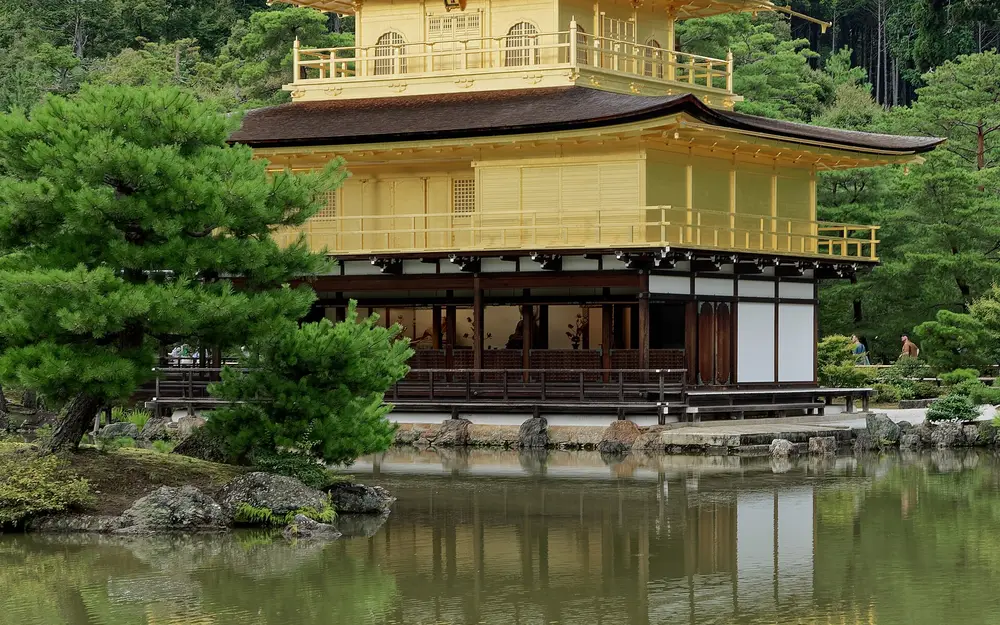
Kinkaku-ji (Golden Pavilion): ¥500
Ryoan-ji: ¥600
Ginkaku-ji (Silver Pavilion): ¥1,000
Nijo Castle: ¥1,300
Kyoto Tower: ¥900
Todai-ji: ¥800
Byodo-in: ¥700
Fushimi sake district: ¥600
Standard adult ticket (the EU-resident price where it differs) for the essentials of each stop, without optional extras (lifts, domes…), food or transport.
How much the whole trip costs
Budget
Mid-range
Comfort
Accommodation (5 nights)
¥17,500–25,000
¥45,000–65,000
¥125,000 or more
Food
¥12,500–17,500
¥25,000–35,000
¥60,000 or more
Getting around
¥3,500–5,000
¥5,000–7,500
¥20,000 or more
Tickets
¥6,500–7,500
¥15,000–17,500
¥20,000 or more
Total per person
¥40,000–55,000 (≈ €230–315)
¥90,000–125,000 (≈ €510–710)
¥225,000 or more (≈ €1,280 or more)
Per person, 5 days on the ground. Flights not included. Budget: hostel or a shared simple ryokan, konbini food and set-menu restaurants, on foot, by train and bus, and two or three temples a day. Mid-range: a hotel sharing a room, restaurants and every temple in the plan. October 2026 rate: €1 ≈ ¥175.
Flights: There are no direct flights: you arrive via Tokyo (2 h 15 by shinkansen) or Kansai airport (Osaka), 1 h 15 on the Haruka train. From Spain with one stop, a normal return fare is about €750–1,000.
KaisekiKyoto’s haute cuisine: many small seasonal dishes. Expensive, but an experience.
YudofuTofu simmered in broth, a speciality of Arashiyama and the Zen temples.
MatchaPowdered green tea: in ceremonies, ice cream, sweets and even noodles.
WagashiTraditional Japanese sweets to go with tea.
Kyoto ramenLighter, with soy broth; the station has a whole floor of it.
ObanzaiKyoto home cooking: small dishes of vegetables and tofu.
Many restaurants close early (around 21:00): don’t plan a late dinner.
In markets and shopping streets, eat by the stall: walking while eating is frowned upon or banned.
For kaiseki or a tea ceremony, book ahead.
Money and payments
CurrencyYen (¥). In October 2026, €1 ≈ ¥175. Carry cash: many temples, stalls and small restaurants don’t take cards.
ATMs7-Eleven and Japan Post ATMs accept foreign cards. If offered your home currency, choose yen.
TransportCity buses cost ¥230 per ride (the bus-only day pass no longer exists). Suica or ICOCA cards pay for metro, trains and buses.
Accommodation taxSince March 2026: ¥200 per person per night if the room costs under ¥6,000, ¥400 from ¥6,000 to ¥19,999 and ¥1,000 from ¥20,000 to ¥49,999.
TippingNever.
Before you go
PassportMany nationalities, including EU citizens, need no visa for tourism (up to 90 days); check your country’s rules.
Visit Japan WebFill it in online before flying for immigration and customs.
Travel insuranceHealthcare is excellent but expensive for tourists.
GionGion’s private alleys are off-limits, and you may not photograph geiko or maiko without permission: there are fines.
EtiquetteDon’t eat while walking, and take your shoes off in temples and ryokan.
What to pack
Decent socks: you take your shoes off in many temples.
Comfortable shoes that slip off: Fushimi Inari and Higashiyama are uphill.
A coin purse and a rubbish bag (there are hardly any bins).
A type A adapter, and mind the 100 V.
Very light clothes in July and August, which are very humid.
Apps that save the trip
Google MapsVery reliable with Kyoto’s trains and buses.
Japan Travel by NAVITIMERoutes and passes made for tourists.
GO or DiDiApp taxis: for 4 people they pay off on short hops between temples.
Google TranslateFor menus and signs. Youtopia also has a translator inside the trip.
YoutopiaThis day-by-day plan with a map and the group’s expenses in yen and euros.
Visiting Fushimi Inari or the bamboo grove mid-morning: it’ll be packed.
Entering Gion’s private alleys or chasing a maiko for photos: there are fines.
Going without cash: many temples and small places don’t take cards.
Taking city buses to the temples at rush hour: they’re packed and slow; train and walk instead.
Not checking the lodging tax when booking: since March 2026 it’s much higher.
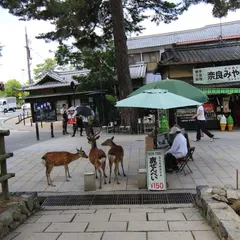
Feeding the Nara deer and then running out: they shove and nip.
Tips
See Fushimi Inari and the Arashiyama bamboo grove first thing; later they get crowded.
Buses are the easiest way around; for Arashiyama and Fushimi, take the train.
In Gion, respect geisha and maiko: no close-up photos and don't stop them.
Carry cash: small temples and stalls don't always take cards.
Flights and places to stay
Flights to KyotoReturn flights; you pick the dates on Trip.com. Affiliate link: if you book, Youtopia earns a small commission at no extra cost to you.
Find a place to stay in KyotoOpens the Booking.com search with the filter already set.


 Osaka3 days · from 2 to 4


 What kind of travel buddy are you?7 questions, 6 traveller types. Take it and send it to your group.Take the quiz
 Tokyo3 days · from 3 to 5
 Busan3 days · from 2 to 4
 Seoul4 days · from 3 to 5
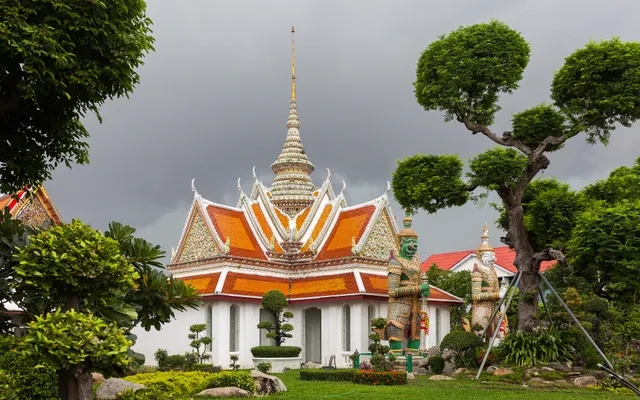 Bangkok3 days · from 3 to 5
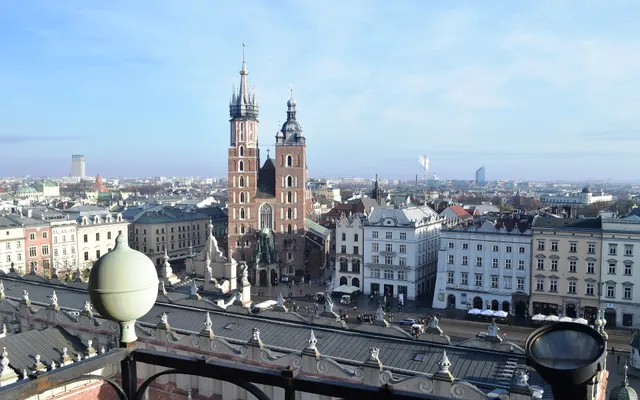 Krakow3 days · from 2 to 5
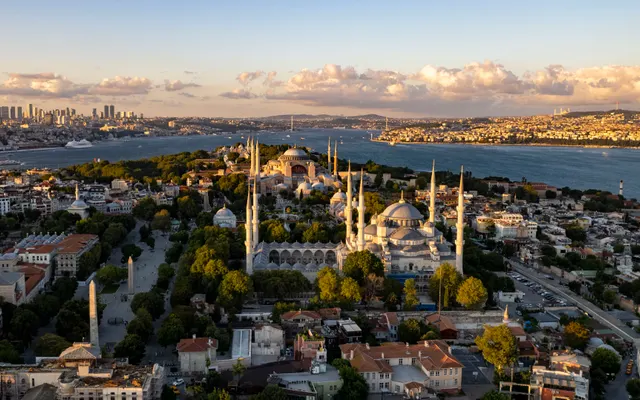 Istanbul3 days · from 2 to 5
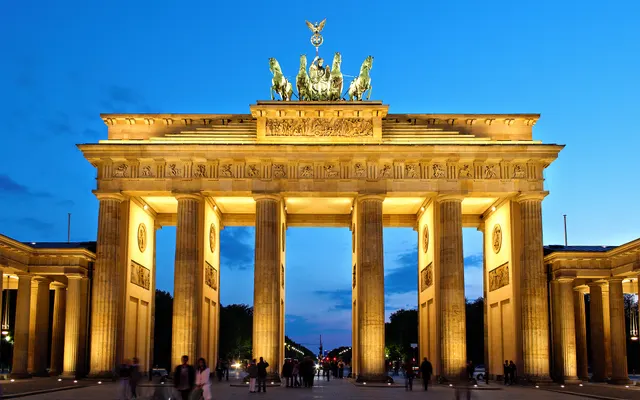 Berlin3 days · from 2 to 5