

The Scottish Highlands: what to see, the must-visit places and a route that actually gives you time to enjoy it
The Highlands aren’t a list of stops you can tick off in two days. They’re valleys, lochs, islands and villages linked by roads that make you want to pull over every ten minutes. Here’s a route with the iconic places, alternatives if you don’t drive and one key idea for traveling as a group: pick an area and give it time, instead of spending your vacation watching the clock.
The practical details were checked against official sources on November 17, 2026. Some accommodation, tour and mobile data links are affiliate links. If you book through them, Youtopia may earn a commission at no extra cost to you. Check schedules, transport and conditions on the operator’s website for your dates, because they change with the season.
What the Highlands are and how many days you need
When we say Highlands we picture mountains, mist and a loch with a famous monster. But the Highlands cover a huge stretch of northern Scotland, with very different areas: from Inverness and Loch Ness to the Cairngorms, the west coast, Skye and the far north. There’s no single route that sums them up. Scotland’s tourism board presents the region as a place to explore slowly and suggests choosing specific areas and routes.
With three days you can get a taste of Glencoe and Fort William, or use Inverness as a base and cover part of the Great Glen. With five or six days you can combine two areas without turning every day into a marathon. To include Skye at a relaxed pace, book at least two nights on the island; if you only have a week and want to add Inverness, Glencoe and Skye, you’ll have to accept long drives or drop some stops. This guide gives you options; it doesn’t promise everything will fit.
My advice for a group is to settle the number of days and the per-person budget first, then choose one axis: the west and Skye, or Inverness, Loch Ness and the Cairngorms. If everyone has a different photo in mind, vote on three must-sees and leave the rest as plan B. What looks close on a screen can be an hour or more by road, especially when you want to stop, walk and eat.
The most iconic places in the Highlands
1. Glencoe: the valley that stays with you
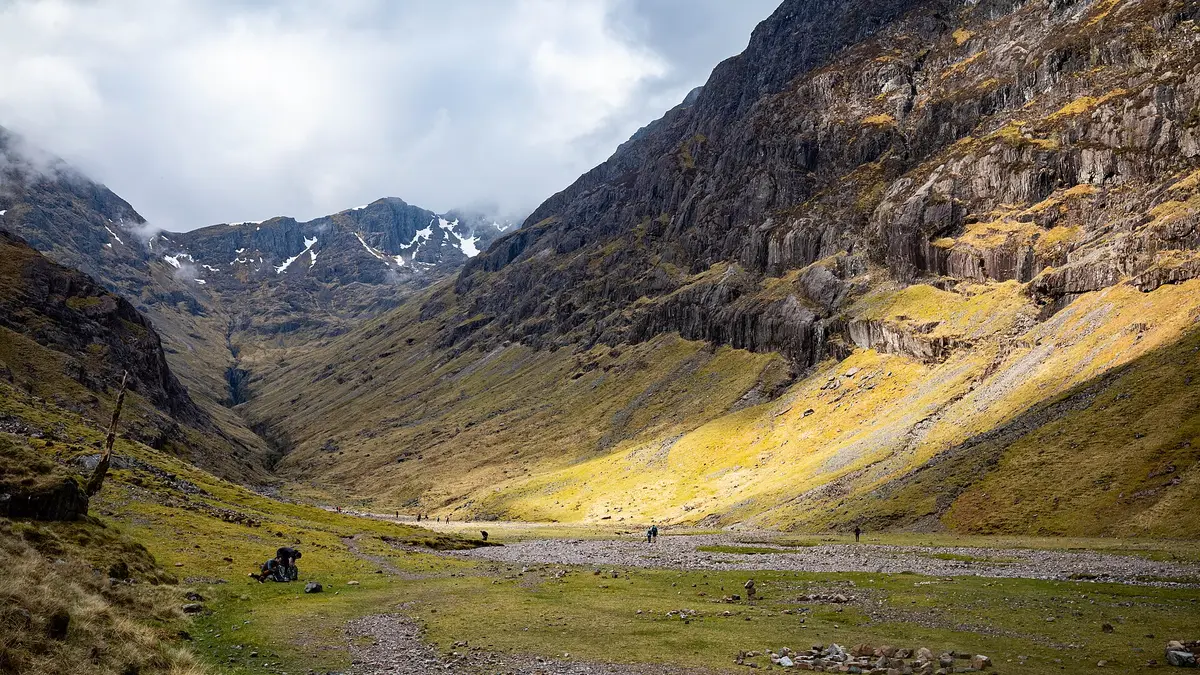
Glencoe is one of those places where the drive is already part of the visit. The A82 runs between huge slopes and peaks that change with the light. The landscape has history as well as drama: the glen is tied to the Glencoe Massacre of 1692, when government soldiers killed members of the MacDonald clan who had given them shelter. It’s not a made-up legend; it’s worth knowing the background before treating the place as just a backdrop for photos.
You can stop at roadside viewpoints, visit the National Trust for Scotland visitor center and choose a walk that suits the weather and the group’s experience and gear. Don’t confuse a scenic stop with a mountain hike: weather and terrain change fast. If you’re traveling with kids, people who don’t walk much or someone with reduced mobility, agree on how far you want to go and look for suitable routes in the local information.
2. Fort William and Ben Nevis: a base, not a race to the summit
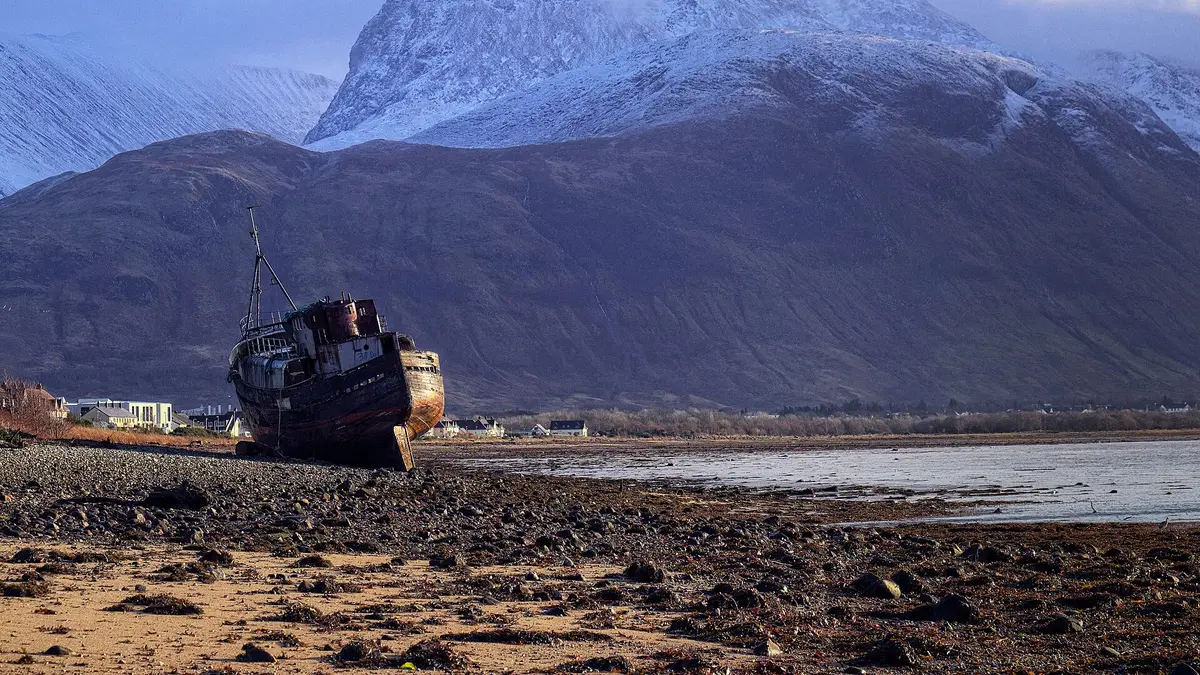
Fort William is a practical base in the west and a gateway to Ben Nevis, the highest mountain in the UK. That doesn’t make the climb a stroll between other visits. The route requires preparation, a weather forecast, proper clothing and a good margin of hours. If you’re not experienced, you can enjoy the area with short walks, the West Highland Museum or views of Glen Nevis. VisitScotland highlights the museum as a free stop to understand local history better.
From Fort William you can also head to Steall Falls through Glen Nevis. The final stretch of the path and its condition matter: it’s not a visit to improvise in city shoes or after a full day at the wheel. For the group, I’d split those who want a long hike from those who’d rather take a short walk, and set a meeting point and time. That way nobody feels they have to keep up with the others.
3. Glenfinnan and its viaduct: engineering and Jacobite history
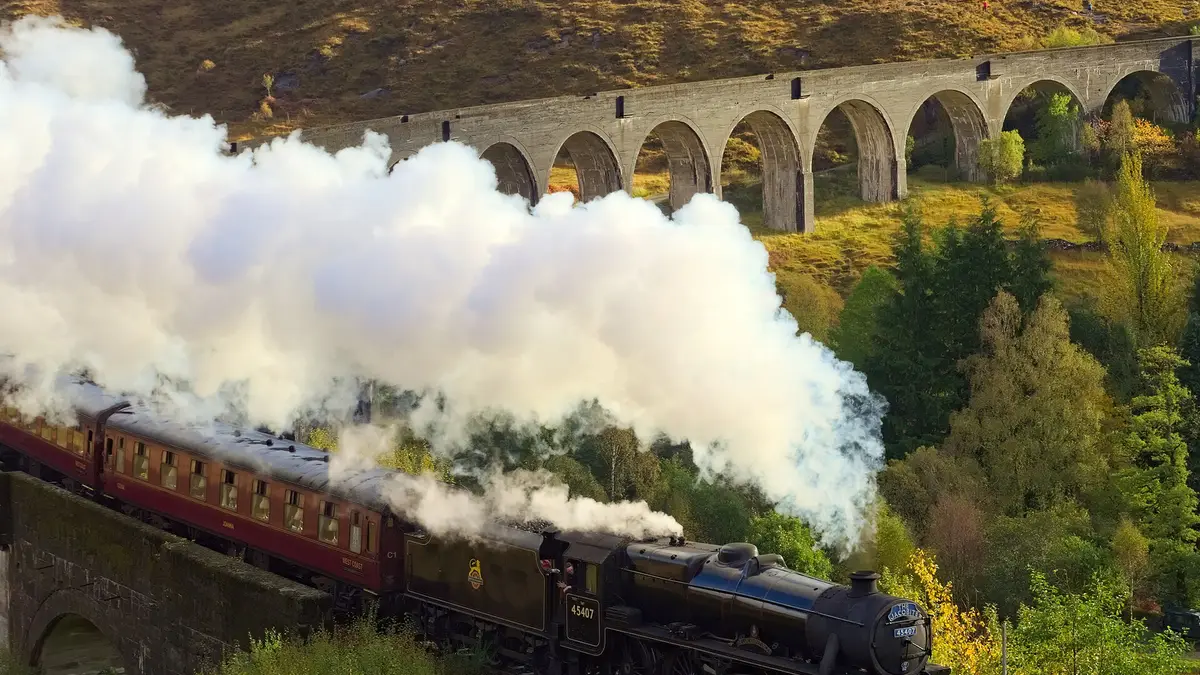
The Glenfinnan Viaduct is famous thanks to Harry Potter, but it has a history of its own: the National Trust for Scotland describes it as a Victorian railway feat, built with 21 arches as part of the line between Fort William and Mallaig. Nearby are the Glenfinnan Monument and Loch Shiel, linked to the Jacobite rising of 1745. It deserves more than the time it takes to snap a photo from the roadside.
From the visitor center there’s a traffic-free path of about 1.2 km to the viaduct. The stretch to the viewpoint can be uneven and steep, and it gets slippery in the rain. The parking lot fills up in summer, and the Trust recommends arriving by train or bus, or outside peak hours. There’s a train station and local services: check ScotRail for current schedules, as frequencies and connections depend on the day.
If your dream is to see the Jacobite steam train, treat it as an activity with its own timetable. It runs for part of the season, and dates, seats and times can change; don’t build your day around a time copied from an old blog post. If it doesn’t coincide with your visit, the regular train line also crosses the viaduct. The landscape doesn’t disappear when the steam train isn’t running.
4. Loch Ness, Urquhart Castle and Fort Augustus
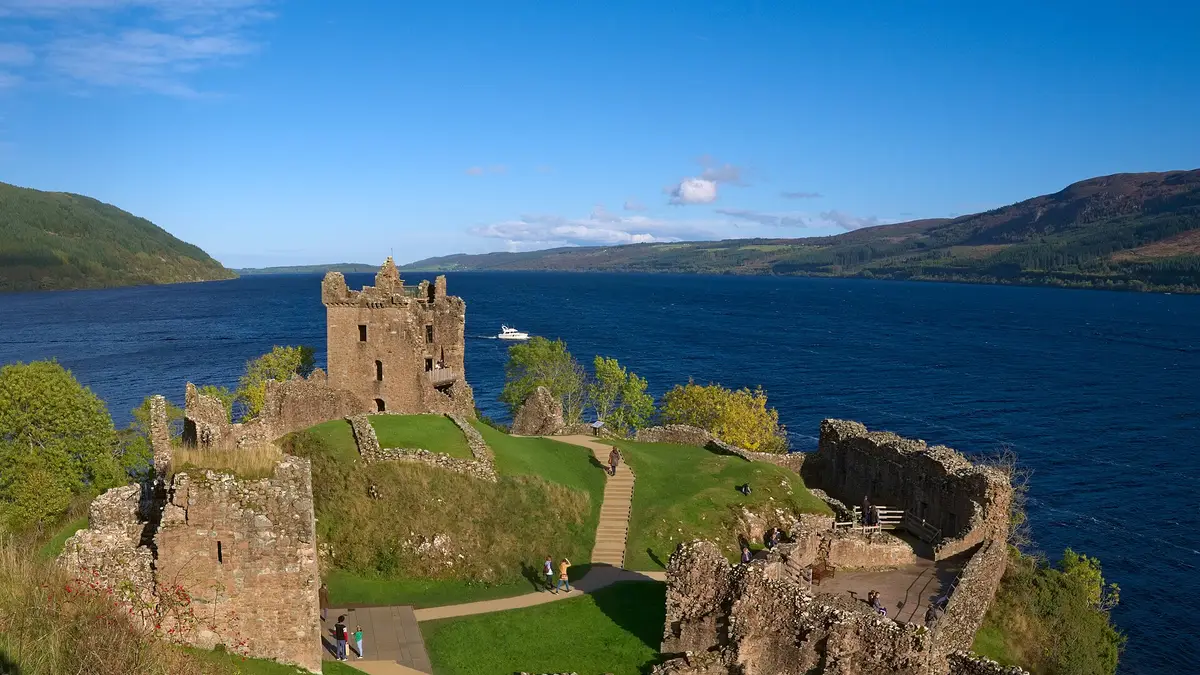
Loch Ness is long and deep, and Nessie’s fame is part of its tourist identity. I’d visit it for the water and the local history, with the monster as a fun curiosity, not a promised sighting. Urquhart Castle, on the shore, combines medieval ruins with wide views of the loch. It’s run by Historic Environment Scotland: check tickets, opening hours and any closures before you go.
Fort Augustus is a handy stop to see the Caledonian Canal locks and stretch your legs. If you take a boat trip, check where it leaves from, how long it lasts and whether the ticket includes the castle; companies offer different products. As a group, pick one paid activity and leave time to walk along the canal, instead of chaining together trips on tight schedules.
5. Inverness, Culloden and Clava Cairns
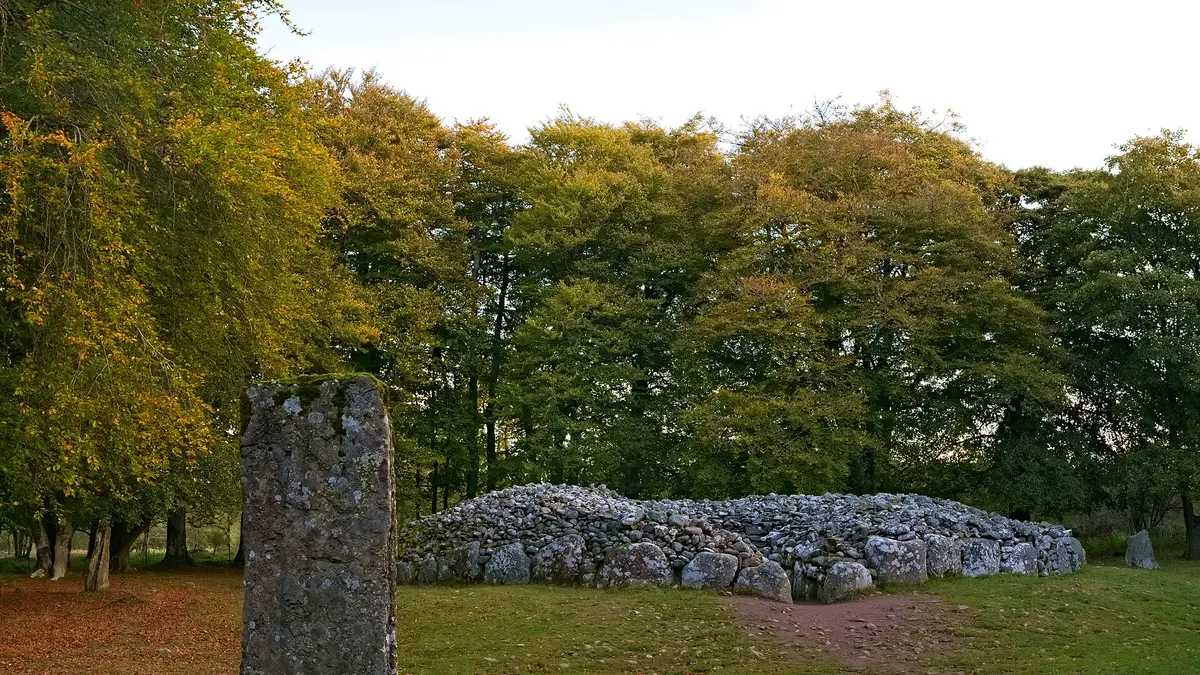
Inverness is a base for the eastern side and works well as a stop between drives. Its center is walkable: the River Ness, the market and the museum fit into a city day. You can add the new Inverness Castle Experience if its opening dates match your trip; since it’s a recent attraction, check the current information before locking in your plan.
A short distance away are Culloden and Clava Cairns, two places that help separate historical Scotland from TV-series Scotland. Culloden was the site of the battle of April 16, 1746, the last major clash of the Jacobite rising. Clava Cairns is a prehistoric cemetery around 4,000 years old, open all year and free according to Historic Environment Scotland. Its stones bring fiction to mind, but they’re not a time portal or a TV set.
The National Trust for Scotland recommends around two hours for Culloden, between the visitor center and the battlefield, though anyone who wants to read everything can stay longer. You can combine it with Clava because they’re close, but don’t confuse the free visit to the prehistoric site with the ticket and facilities at Culloden. In high season, book if the operator allows it and leave time to park.
6. Isle of Skye: vast landscapes and an island with a life of its own
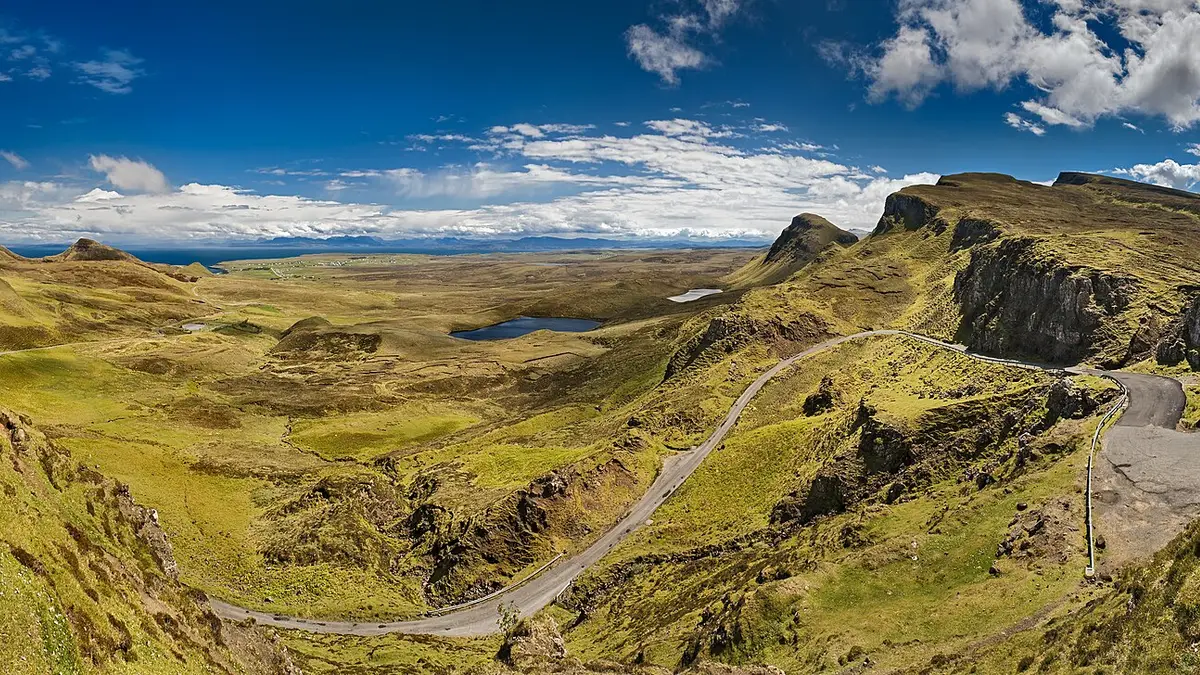
Skye isn’t a viewpoint you reach, photograph and leave. It’s an island with narrow roads, villages, hikes and very spread-out sights. Portree is a common base, but don’t stop at the harbor postcard. Depending on the weather and your pace, you can choose the Quiraing, the Old Man of Storr, the Fairy Pools, Neist Point or the Cuillin. I wouldn’t try to do them all in a day: some involve walking, the weather can hide the views and the parking areas get congested.
To explore Skye, book accommodation well ahead in the busiest months and avoid changing base every night. There are buses and a road link, but having a car changes the experience in rural areas. If nobody wants to drive, look at day tours from Inverness, Fort William or Glasgow and check exactly which stops each one includes. The Mallaig–Armadale ferry can be an alternative to the road, subject to schedule and availability; don’t count on it without booking.
7. Eilean Donan, the Cairngorms and the northwest coast
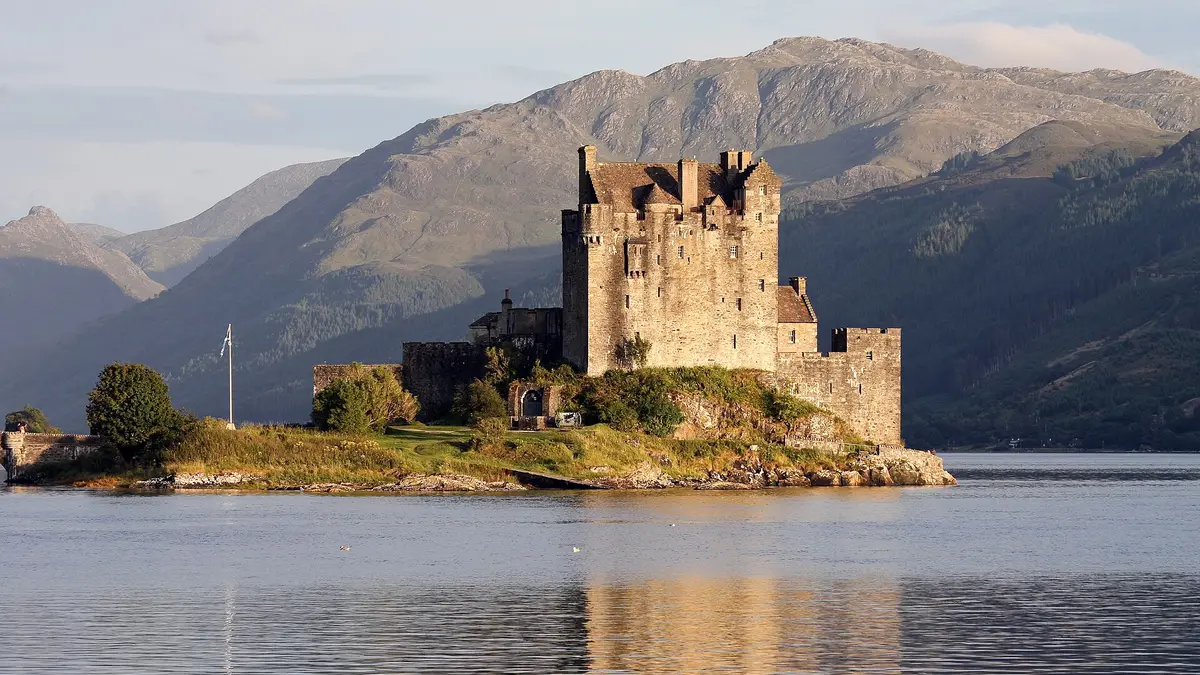
Eilean Donan is the postcard castle on a small island joined to the mainland by a bridge, near the route to Skye. Visiting inside depends on the season and the castle’s opening; check its website before taking the detour. For many people the outside and the setting are enough, but if you’re going in, work out the real arrival and parking time. Don’t add it to a Skye day as if it were on the island.
On the eastern side, Aviemore and Cairngorms National Park offer forests, lochs, villages and wildlife, with a landscape quite different from the west coast. If you have more days, the northwest toward Ullapool and Wester Ross lets you explore beaches and peninsulas; the North Coast 500 is a long route, not a shortcut between two stops. The tourism board recommends choosing an area first and checking the transport connections for that part.
A six-day route that doesn’t try to see everything
This plan works best with a car and ends in Inverness. If you start in Glasgow or Edinburgh, allow time to reach the west; don’t count your arrival day as a full sightseeing day. Without a car, keep the order of areas and swap drives for tours and trains. Roads, ferries and schedules should all be checked for your dates.
- Day 1: Loch Lomond and Glencoe. Set off early, stop by the loch and drive through Glencoe with time for viewpoints and a short walk. Sleep in Glencoe or Fort William so you’re not adding miles in the dark.
- Day 2: Fort William and Glen Nevis. Choose between a well-planned demanding hike or a more relaxed day of museum, glen and viewpoints. Don’t mix a Ben Nevis ascent with a packed sightseeing agenda.
- Day 3: Glenfinnan and the Road to the Isles. Go to the visitor center, walk the path to the viaduct and visit the monument. If you want the Jacobite, buy your ticket from the operator and plan the day around the confirmed time.
- Day 4: Eilean Donan and arrival on Skye. Stop at the castle if it’s open and carry on to the island. Don’t try to cover all of Skye after the drive; stroll around Portree or rest.
- Day 5: Skye. Choose one area based on the weather: Trotternish, the west coast or the south. Have an indoor plan in case of wind, rain or fog.
- Day 6: Inverness, Culloden and Clava Cairns. Drive toward Inverness, visit Culloden and Clava if opening hours allow, and finish in the city. If the group prefers history, prioritize the battlefield.
A more relaxed version adds a night in Inverness and another on Skye. With eight or nine days you can add the Cairngorms or explore the west coast at a slower pace. I’d avoid forcing a loop just because the map draws one: stopping, eating, loading the car and finding parking all take time too.
Getting there and getting around without a car
You can fly into Glasgow or Edinburgh and head north by train or bus; Inverness also has an airport and a train station, and can work as a starting point for the north and east. The rail network reaches places like Fort William and Aviemore, but it doesn’t cover every viewpoint or trailhead. ScotRail, Citylink, Stagecoach and local services connect some areas better than others. Check schedules for your specific dates, especially Sundays, public holidays and the off-season.
Glenfinnan is one case where the regular train comes in handy: the National Trust for Scotland lists services from Fort William and Mallaig, plus buses between the two towns. Even so, plan the walk from the station and confirm there’s a return service that works. In rural areas, don’t count on a taxi or a connection turning up out of nowhere.
If there are four or five of you, compare the total cost of a car with tickets, tours and extra nights, not just the daily rental. Include fuel, insurance, parking, an additional driver and any one-way drop-off fee. On single-track roads, use the passing places to let oncoming cars by and to let local traffic overtake; never park in them to take photos. In the UK you drive on the left. If nobody feels confident, a guided tour may make more sense than forcing the car.
When to go, what to bring and what to check
VisitScotland flags May to September as a popular window for exploring, but summer also brings more visitors and busy parking lots. Spring and autumn can bring quieter days and changing light; in winter, some attractions cut their hours and the roads call for more caution. No month guarantees blue skies. Check the forecast for each area, not just Edinburgh’s.
Between May and October you may meet midges, especially in damp areas in the west. VisitScotland recommends checking the local forecast and bringing repellent and clothing that covers your skin; their activity depends on wind and humidity. I wouldn’t cancel a trip because of them, but I wouldn’t plan an outdoor dinner by a loch on a still evening without protection either.
- Bring a waterproof layer, something warm even in summer and footwear suited to mud or uneven ground.
- Download maps and tickets before you set off; mobile coverage is patchy in remote areas.
- Check closures and schedules the day before, including ferries, trains and visitor centers.
- Respect the Scottish Outdoor Access Code: look after the environment, don’t disturb wildlife and take your litter home.
- Access rights don’t include homes, gardens or paid sites.
Bookings and budget for the group
I won’t give you a fixed total, because it changes a lot between July and November, a family room or two rooms, a car or a tour. Draw up three per-person scenarios: basic transport and accommodation, a middle option and one with a special activity. Add food, tickets, ferries, luggage, fuel and a buffer. Then vote on which plan suits you before paying for non-refundable bookings.
I’d choose a few bases with several nights in each: one in Glencoe or Fort William, one or two on Skye and another in Inverness, depending on the route. In rural areas, check the parking, check-in time, breakfast and distance to the next stop. You can compare places to stay in Fort William on Booking.comAffiliate link: Youtopia may earn a commission if you book, at no extra cost to you. and search for places to stay in Inverness on Booking.comAffiliate link: Youtopia may earn a commission if you book, at no extra cost to you. as a starting point; check the location and cancellation terms before booking.
For a tour, compare the departure point, free time at each stop, group size and what happens if an attraction closes. A scenic tour takes care of transport and navigation, but may leave little time for walking. If one person wants to do a long hike and another doesn’t, you can split that activity and meet up afterwards.
Which area to choose for your trip
It’s a visually stunning combination and lets you take the train to Glenfinnan. Save Skye for another time if you don’t have the days; better to come back with time than turn it into a pass-through stop.
This base makes it easy to combine city, battlefield and loch. Be clear about the difference between documented history and monster tales so everyone can enjoy it their own way.
Give it more than one night, limit your daily stops and don’t underestimate the distances. A short, flexible route works better than circling every peninsula.
Choose based on the group’s fitness and the weather forecast. A view from the road counts as a mountain day too; you don’t have to climb a summit to enjoy it.
In Youtopia you can decide dates and bases with a vote, build each day in the itinerary and assign who books the car, accommodation, ferry or tour. That way the plan doesn’t live in one person’s chat, and shared expenses stay in the same trip.
Build the itinerary by area, split the bookings and log car, accommodation and activity costs. If the weather changes, you can move a stop without redoing the whole trip.
Try it freeHow to pick walks and stops without wearing yourselves out
In the Highlands, a day can fill up without climbing a mountain. Count the driving time, the stops to eat and the moments you’ll want to just stare at the landscape. A sensible day usually has one main place and two small stops in the same area. If you add a hike, make it the main activity of the day, not an extra you squeeze in after three hours behind the wheel. Before setting off, look at the road and trail on the map: places with similar names aren’t necessarily linked by a short path.
Glencoe: viewpoints and walks for different paces
If you want a gentle visit, start at the National Trust for Scotland visitor center. There’s a 3D model of the glen, route information and an exhibition; the Trust also shares access and accessibility conditions. From there, the landscape makes more sense before you drive the A82. The Three Sisters and Loch Achtriochtan viewpoints are good for short stops, but parking is limited and you need to leave room for others. Don’t stop where there’s no safe pull-in, and don’t walk along the road to get a photo.
Loch Ness and the Great Glen: a day of water, history and locks
Instead of trying to circle the whole loch, pick one shore and one activity. From Inverness you can head toward Drumnadrochit and Urquhart Castle, or go down to Fort Augustus to see the Caledonian Canal and its locks. At the castle, leave time to walk through the ruins and take in the loch; don’t treat it as a five-minute stop between two long drives. Check Historic Environment Scotland’s entry times and ticket system, because access to monuments can depend on works, capacity or the season.
Skye: fewer pins on the map, more time on each peninsula
On Skye, narrow roads, passing places and sharing the road with local traffic change the pace. The Quiraing and the Old Man of Storr are exposed, popular walks; the state of the parking and the path can vary with the weather. Kilt Rock and Lealt Falls are viewpoints, not a substitute for walking across the island. Choose one part of Skye each day, such as Trotternish or the south, and have a short alternative ready in case of rain or fog. The island’s official itinerary and local advice are better references than the driving times on a viral list.
Before booking, put three decisions on the table: how many days you have, who’ll drive and the maximum travel time the group will accept per day. Then make a short list of three must-sees and two alternatives per area. That way, if a road is closed or clouds hide a summit, the trip still makes sense. In Youtopia you can vote on the base, save the itinerary and note who’s in charge of each booking. If someone pays upfront for the car rental or the ferry, log the expense and assign who’s sharing it, so you don’t have to piece it together from memory when you get back.
FAQ
How many days do you need to see the Scottish Highlands?
With three days you can get to know one area, like Glencoe and Fort William or Inverness and Loch Ness. To combine the west, Skye and the north at a gentler pace, try to set aside a week or more.
Can you visit the Highlands without a car?
Yes, using trains, buses and tours, but not every viewpoint is next to a stop. Choose one or two bases and confirm schedules and connections for each day.
Is it worth including Skye in a week?
It can be if you give it at least two nights and accept cutting back other areas. If it only fits as a rushed round trip, stick to the west or come back another time.
What’s the best time to visit the Highlands?
May to September usually offers more daylight and services, though also more visitors. At other times of year, check opening hours and road conditions.
Can you see the Harry Potter train at Glenfinnan all year?
The Jacobite steam train has a season and times that can vary. The regular line also crosses the viaduct; check with the operators for your date.
Plans you can copy ready for your trip.
Day-by-day itineraries from our guides, with the route for each day, times and prices. Copy them into the app and change them together.
 Edinburgh3 days · from 2 to 4
 Dublin3 days · from 2 to 4
 London3 days · from 2 to 5
 Amsterdam3 days · from 2 to 5
 Paris3 days · from 2 to 5
 Berlin3 days · from 2 to 5
 Prague3 days · from 2 to 5

Vote on the destination, build the plan with times and log the expenses, all in one place. Free.
Photo credits
Cover: Saadtowheed (16:9 crop, converted to WebP) · Wikimedia Commons (CC BY-SA 4.0)
Glencoe: rboed* · Wikimedia Commons (CC BY 2.0)
Ben Nevis: Andy Stephenson · Wikimedia Commons (CC BY-SA 2.0)
Glenfinnan Viaduct: Daniel Kraft · Wikimedia Commons (CC BY-SA 3.0)
Urquhart Castle: Daniel Kraft · Wikimedia Commons (CC BY-SA 3.0)
Clava Cairns: Daniel Kraft · Wikimedia Commons (CC BY-SA 3.0)
Quiraing (Skye): Stefan Krause, Germany · Wikimedia Commons (CC BY-SA 3.0)
Eilean Donan: Eusebius · Wikimedia Commons (CC BY 3.0)