

Harry Potter in Scotland: filming locations, the Hogwarts train and how to visit them
The postcard of the train crossing a viaduct is real; the Hogwarts castle you see above the lake is not. In Scotland you can walk through landscapes from the films, ride a steam train and figure out which parts are real locations and which were added on screen. Here’s a route to see it at an easy pace, alternatives if you don’t drive and the details worth checking before you plan it as a group.
The filming and access details were checked against VisitScotland, the National Trust for Scotland and the rail operators on November 17, 2026. Some tour and connectivity links are affiliate links: if you book, Youtopia may earn a commission at no extra cost to you. Schedules, operating days and access can change; check them for your dates.
What you’ll find on the Harry Potter route through Scotland
Scotland isn’t the only place the films were shot, but it is home to some of the most recognizable outdoor scenes. VisitScotland’s official itinerary links the capital, Glasgow, Fort William, Glenfinnan, Mallaig and the western glens over four days. It’s a map of possibilities, not a mandatory list: the distances are long, and a group will enjoy it more by choosing a few stops and taking its time.
It’s worth separating three things before you set off. One is a place where a scene was filmed; another is a landscape that helped shape the look of the wizarding world; and another is a city connected to the author or the books. For example, Edinburgh is linked to the years when J. K. Rowling was writing and has literary tours, but it isn’t the film set many people imagine. Glenfinnan, on the other hand, is a genuine railway filming location.
Glenfinnan: the viaduct and the Hogwarts Express
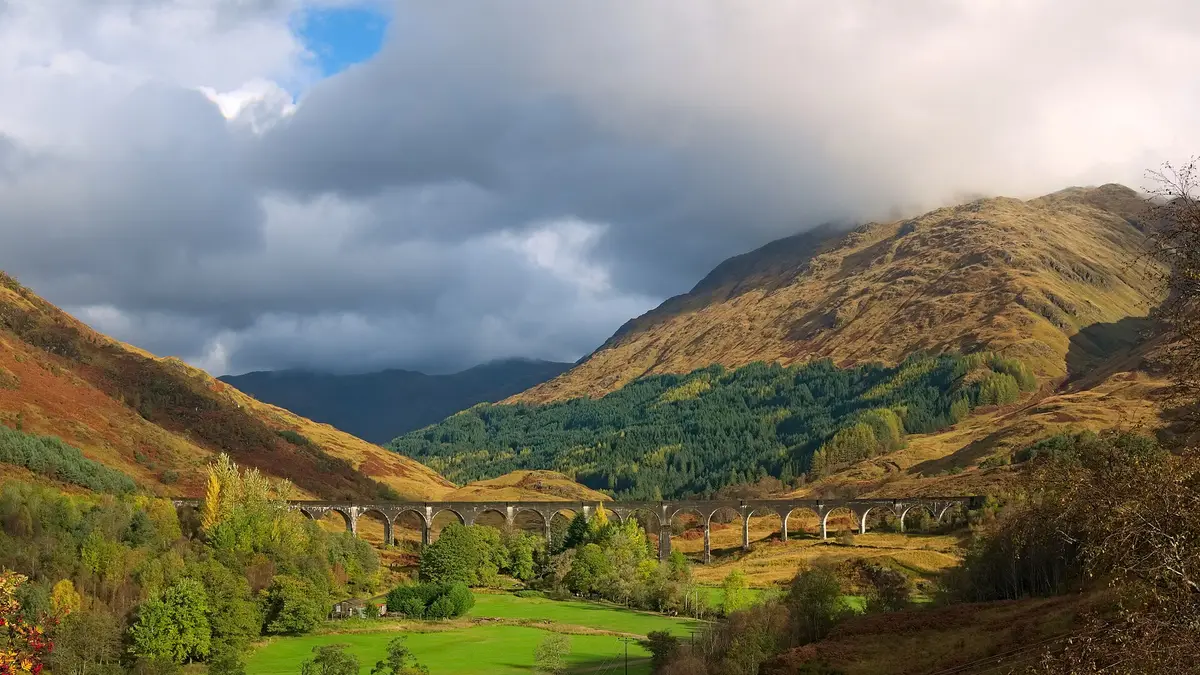
The Glenfinnan Viaduct became a worldwide image of the Hogwarts train. It has 21 arches and is part of the West Highland Line, which links Fort William and Mallaig. The National Trust for Scotland explains that the Jacobite steam train crosses the bridge during part of the tourist season, while regular trains run the route all year. That matters: the regular train is a practical way to see the viaduct from on board, but it isn’t the Jacobite or a recreation of a scene.
The Jacobite Steam Train is marketed as the real journey that inspired the Hogwarts Express, and it lets you cross the viaduct on a steam train. If you want to ride it, buy directly from the operator and check the calendar, times, class, seat and change policy. Don’t rely on a fixed time from an old guide: the service is seasonal and its conditions can change. On running days, crowds gather at the viewpoints.
To see the viaduct from the ground, the path from the visitor center covers about 1.2 km on a traffic-free trail. There’s a flat walk along the river and a steep, uneven climb to the high viewpoint. Factor in the walk back, the mud and the waiting time if you want to photograph the train. Parking by the road isn’t a safe option; the parking lots can fill up, and the National Trust recommends coming by train or bus, or outside the busiest hours.
There’s also the Glenfinnan Monument, dedicated to the Jacobite rising of 1745, by Loch Shiel. That mix of real history and movie scenery makes it worth visiting even when the train isn’t running. The visitor center has facilities and an exhibition, but its hours vary by season; check the official notice before you go.
Loch Shiel: the Great Lake on screen
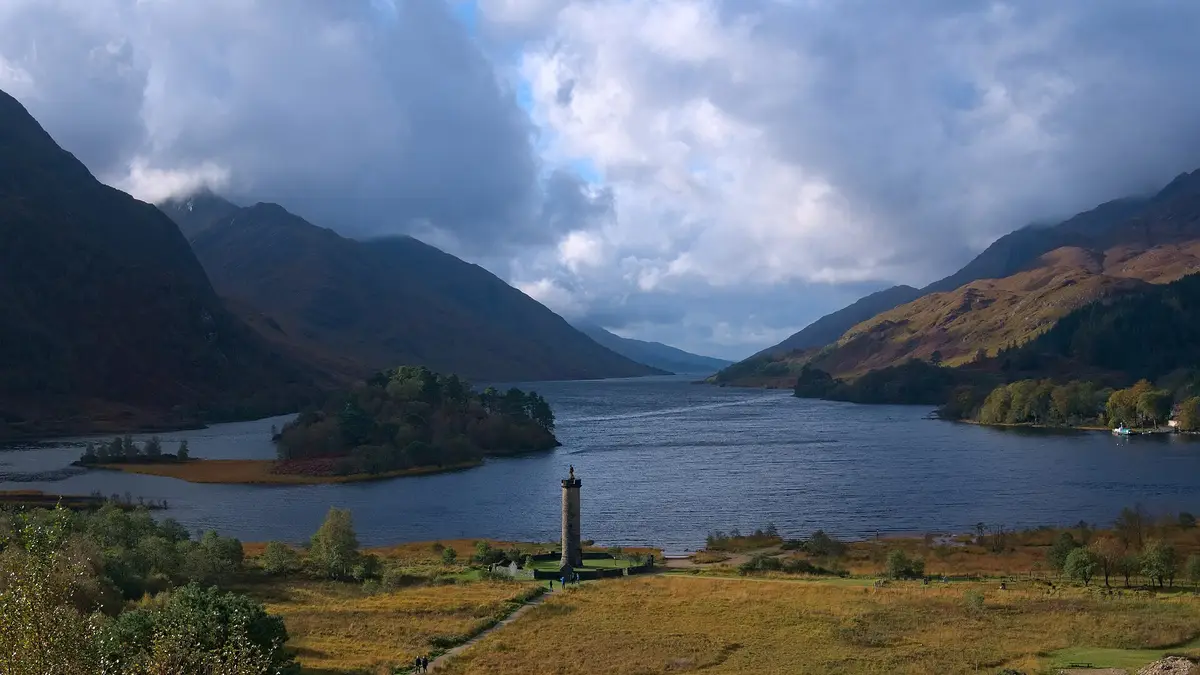
In the films, Loch Shiel appears as part of the landscape of the Black Lake at Hogwarts. The loch and the mountains exist; the castle visible in some shots is a cinematic composite, created by combining the location with visual effects. There’s no entrance to Hogwarts or a castle hidden on the hillside. The real visit is about enjoying the shore, the monument and the permitted paths.
You can combine the area with the viaduct, but don’t mix up the access points: each viewpoint has its own path, parking or stop. Don’t walk along the tracks or get close to an embankment to frame a shot. The local community lives alongside the visitors; stick to paths and marked areas. If your group includes people with different abilities, check the National Trust’s accessibility guide: the higher routes have steps and uneven ground.
Glencoe: Hagrid’s landscape and the hut that’s no longer there
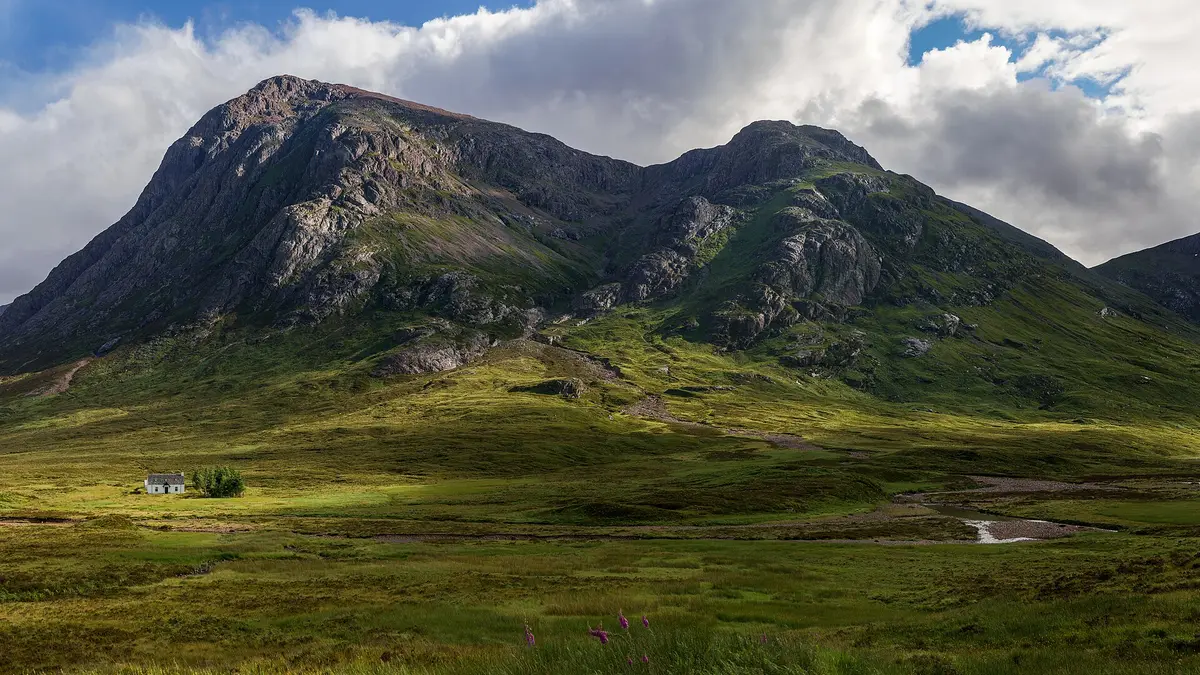
The National Trust for Scotland identifies Glencoe as the location of several scenes in Harry Potter and the Prisoner of Azkaban. Sets were built there for Hagrid’s hut and the covered bridge; they were temporary and are long gone. What you visit today is the landscape of the glen, not a theme park or a preserved film set. In the films, some shots mix locations with elements built in the studio.
The A82 runs through the glen and offers views that justify getting out of the car at designated spots. If you want to walk, decide on the distance and difficulty beforehand: the mountains aren’t a fenced attraction, and conditions change fast. Don’t chase an internet pin down a private track or wander into boggy ground to recreate a scene. The National Trust publishes information on paths, access and conservation.
Glencoe is also known for the massacre of 1692, a historical event tied to the MacDonald clan. If you visit, combine the landscape with an interpretive stop to learn what happened, rather than reducing the glen to a fictional hut. As a group, agree on whether you’d rather make a short roadside stop or a walk that takes up part of the day.
Glen Nevis and Steall Falls: the setting for a Triwizard task
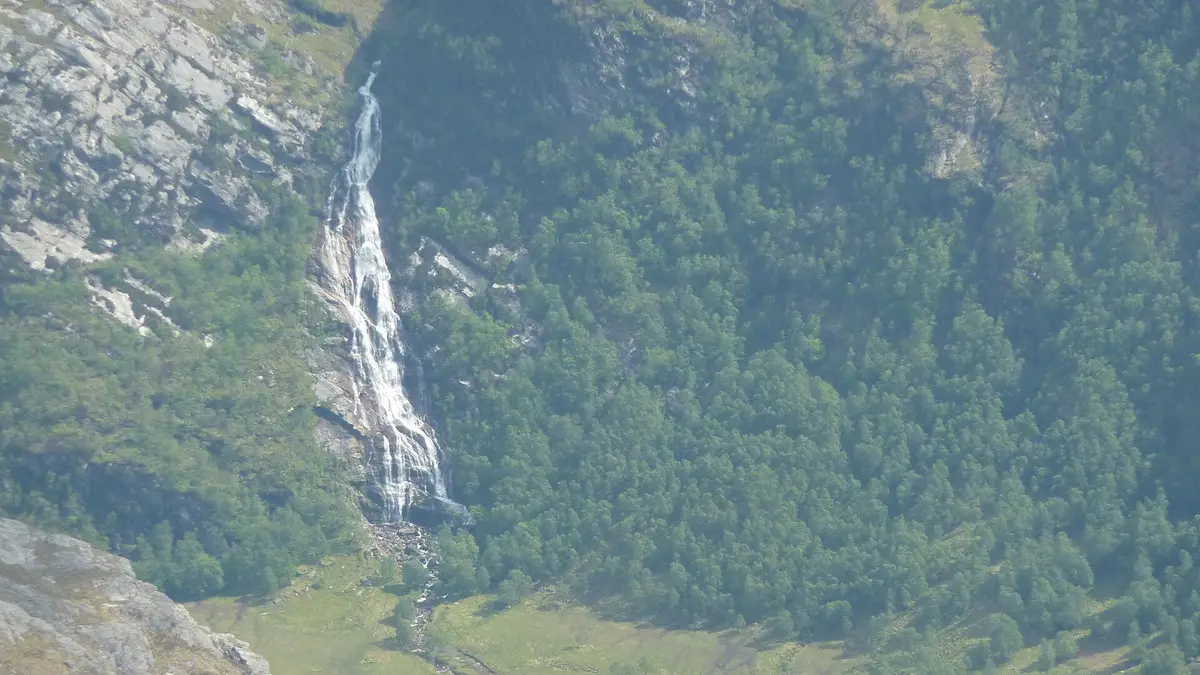
VisitScotland’s itinerary includes Glen Nevis and Steall Falls, a waterfall and landscape recognizable from the Triwizard Tournament scenes. You need to drive to the parking area and walk a trail; it isn’t a stop you see from the car window. The ground can be wet, narrow or slippery, so wear proper footwear and don’t cross the river if conditions aren’t safe.
A guided tour can make sense if you don’t want to drive or would rather someone else handle the schedule. Check what’s included: some trips from Edinburgh pass through the landscape on a long day; others leave from Fort William and give you more time to walk. Look at the duration, group size, walking involved and cancellation terms before paying.
Other places from the saga and what to expect
On screen, the moors are used for travel and suspense scenes. The railway line is the safe way to see it; don’t go onto the tracks looking for the shot.
Some shots incorporate a small island using filming and editing tricks. Check where you can stop and don’t cross private land; the simplest option is to admire the view from a permitted spot or from the train.
You can stroll around the harbor or connect with a ferry, subject to schedules. Don’t plan a visit to Skye without confirming seats and the return.
Its Gothic cloisters are reminiscent of the school, but they shouldn’t be presented as a film set. It’s a working university: check visiting arrangements and respect areas that aren’t open.
Add a city visit and a tour about the author’s connection. Keep that history separate from the filming in the western Highlands.
How to plan the route in Scotland
Option A: two days from Fort William
If your priority is the train and the west, use Fort William as your base. You can spend one day on Glenfinnan: station, viewpoint, monument and loch. The other day, on Glencoe or Glen Nevis, with a suitable walk. If the Jacobite is running and you have seats, build the first day around that booking. This option leaves out Glasgow and Edinburgh, and that’s fine.
Option B: four days from Edinburgh to the Highlands
- Day 1: Edinburgh. Walk around the old town and pick a literary activity. Use the local guide to plan the visit and tell inspiration apart from filming.
- Day 2: Glasgow and Fort William. Visit the cloisters if they’re open and carry on west. The journey depends on your transport and stops.
- Day 3: the train and Glenfinnan. Ride the Jacobite if you’ve confirmed tickets and dates, or take the regular train. Keep time on the ground for the viaduct and Loch Shiel.
- Day 4: Glencoe and Glen Nevis. Choose a walk or a scenic drive, not both in a rush. If the weather turns, visit Fort William and save the waterfalls for another time.
If you rent a car, compare the total per person with a tour or a combination of trains. Include an additional driver, fuel, parking, insurance and an extra night if the train doesn’t connect in time. If the group wants to ride the Jacobite, don’t book flights or transfers too tightly on the same day. Being able to change a date may be worth more than saving a few minutes on a connection.
Without a car, you can reach Fort William and Glenfinnan by train, but you’ll need to check services in both directions and sort out getting between the station, viewpoints and accommodation. Organized tours are another option for Glencoe and Glen Nevis. Don’t assume every operator stops at the same places or leaves the same amount of time to reach the viewpoint.
For sleeping, I’d choose the starting point of your main activity and avoid changing accommodation every night. You can compare places to stay in Fort William on Booking.comAffiliate link: Youtopia may earn a commission if you book, at no extra cost to you. if the train and the western sights are your focus. In high season, book early and confirm parking or station access.
Fun facts that make the trip better
- The viaduct wasn’t built for Harry Potter: it’s historic railway infrastructure that connected communities long before it became a movie icon.
- The Jacobite and the regular trains run on the same line, but they’re different services and their calendars don’t necessarily match.
- Glenfinnan also commemorates the 1745 rising; the monument and the viaduct tell different stories in the same landscape.
- Hagrid’s hut and the covered bridge in Glencoe were temporary sets. They aren’t there today.
- The great Hogwarts castle was created from locations, sets and visual effects. The photo of Loch Shiel doesn’t reveal a building you can visit.
So the trip doesn’t turn into a pin hunt, mark real locations, vanished sets, reference views and literary connections separately. In Youtopia you can vote on which stops interest you, split who buys the tickets and build the route day by day. Shared expenses help you see what the train or the car costs each person before you book.
Pool your stops, vote on the plan and add confirmed times and expenses to the trip itinerary.
Try it freeHow to choose between train, car and tour
Your choice of transport changes how you experience the locations. The train makes Glenfinnan part of the journey, but it won’t drop you at every viewpoint or run as often as in a city. A car gives you freedom to stop in Glencoe and Glen Nevis, though it means driving on the left, working out parking and having a well-rested driver. A tour can link several places with less hassle, but it sets the length of each stop. Before voting, compare the door-to-door cost, not just the ticket price you see.
If you’re a group, also decide which experience is the priority. Riding the Jacobite, watching the train from the viewpoint or covering several locations in one day? They’re not equivalent plans. For the tourist train, check whether the price changes by class and whether the booking is refundable. For the viewpoint, think about whether everyone can manage the path; the view from a lower point may be enough. For a tour, ask how many minutes it stops in Glenfinnan and whether the guide comes along on the walk.
A plan B for rain, fog or schedule changes
In the Highlands, fog can hide the viaduct and steady rain can turn an easy path into an unpleasant one. Don’t plan the experience as if the promotional photos were the weather forecast. If the train is canceled or isn’t running on your dates, you can still visit the Glenfinnan visitor center, the monument, the railway museum at the station and the Loch Shiel landscape. If visibility is poor, central Fort William or a historical visit can fill part of the day.
Also have a plan that doesn’t involve crossing a road to get photos. Lots of people gather by the viaduct when the train is due, and the temptation to approach the tracks is dangerous and illegal. Don’t rely on a schedule circulating on social media, don’t block an entrance and don’t leave litter on the path. If you’re traveling with kids, agree on a meeting point and explain that the railway infrastructure is off-limits.
How to photograph the locations without spoiling the visit
At Glenfinnan, the high viewpoint requires a climb over uneven ground that can be slippery. Leave room for others, stay on the path and avoid setting up tripods where it narrows. If the train goes by, enjoy a few seconds without looking at your screen: the sound, the landscape and the curve of the viaduct are better appreciated without trying to take twenty identical photos. Don’t fly drones without permission; estates and protected areas have specific rules.
In Glencoe, a photo can make a summit look a step from the road, but the actual route can be long and demanding. Check the route on a topographic map and look at the forecast. A place that looks peaceful in the film can be exposed to wind and rapid changes. If someone in the group doesn’t want to walk, agree on a short stroll or an accessible viewpoint instead of pushing them to keep going.
When you visit Glasgow or Edinburgh, remember they’re living cities, with students, residents and businesses. Literary tours help you learn about the links between the author and the city, but they don’t replace a film location route. You can spend an afternoon on bookshops, streets and architecture and save the landscape day for Fort William. That distinction stops the group from expecting to find a Hogwarts castle on a downtown street.
What’s worth booking in advance?
Book Jacobite tickets as early as possible if it’s the centerpiece: capacity is limited and the operating dates are concentrated in part of the year. Do the same with accommodation in Fort William in summer and with tours tied to a specific time. For public viewpoints and walks, check parking and notices rather than assuming there’ll be space. If there are more than four of you, split the tasks: one person looks at trains, another at accommodation and another at the backup plan.
Don’t buy multiple tickets just because a tour’s name sounds comprehensive. Open the itinerary and find the stops on the map. A tour that lists Glencoe, Glenfinnan and Mallaig may include a short break at each and many hours on the coach. For some people that’s ideal; for others, spending a night in Fort William and exploring without rushing will be more satisfying. The right plan is the one that fits your real pace, not the one with the most names.
If you have more days and want to extend the trip, you can add the Warner Bros. Studio Tour in Leavesden, but it’s a long way from Glenfinnan and doesn’t work as a quick stop. For a group with a week, it’s usually easier to dedicate Scotland to the landscapes and leave the studios for another day from London. Compare the ticket price with the transport and check availability: visiting a studio is a different experience from walking around an outdoor location.
Before setting off, share a meeting address and the name of the return stop with the group. Coverage in the glens can be patchy, and bus schedules don’t always allow you to improvise a later return. Keep tickets, an offline map and the operator’s contact on more than one person’s phone. If someone splits off for another walk, agree in advance when you’ll message each other and where you’ll meet.
How to link the Harry Potter stops depending on your base
The easiest way to cover the locations depends on where you spend the night. If you sleep in Fort William, Glenfinnan, Loch Shiel and Glen Nevis are in the same part of the west and you can plan a day without going back to Edinburgh. If your base is the capital, a day trip to Glenfinnan means many hours of travel: it’s doable on a tour, but it’s not a light trip on your own. VisitScotland suggests a four-day route linking Edinburgh, Glasgow and the Highlands; use it as a reference for distances and add nights wherever the landscape makes you want to stop.
Glenfinnan works especially well as a full day: visit the center and the monument, walk to the viewpoint and leave time for the train and for taking in Loch Shiel. From there you can continue to Mallaig, but don’t assume the tourist train’s arrival leaves enough time to do everything. Look at the actual schedules and plan your transport back. ScotRail’s regular line also crosses the viaduct; if the Jacobite doesn’t line up, you can still see the structure and the glen from the ground or take a regular train, depending on your route.
The steam train and the regular train are different experiences
Loch Shiel and Glen Nevis: the films use places, not theme parks
Loch Shiel appears in the saga as the Black Lake, but there’s no Harry Potter attraction on its shore and no replica of Hogwarts castle to visit there. The loch is part of a wide landscape, with different access points and activities; before walking in the area, check whether the spot you want to reach has public parking or permitted access. In Glen Nevis, Steall Falls is a nature walk. The path can be slippery and some crossings need care: don’t approach it like a city visit or an improvised detour in light clothing.
- If you want to ride the Jacobite, check operation, date, conditions and availability directly with the operator before locking in the rest of the route.
- For a car-free visit, choose Fort William as your base first and coordinate train, bus or tour; rural schedules can be infrequent.
- For Glenfinnan, check the parking, the path and the visitor center’s access advice; don’t park on the road.
- Book accommodation near your chosen base in high season, especially if the group needs several rooms.
- If you add Glen Coe or Steall Falls, check the forecast and the state of the path, wear proper footwear and drop the walk if conditions are bad.
- Keep an indoor activity for a rainy day: a local museum, a historical visit or time in Fort William, instead of forcing the viewpoint in poor visibility.
For a group of friends, it helps to decide the priority before choosing a tour: watching the train go by, riding the full railway journey, photographing the viaduct or seeing several movie landscapes. They’re different plans and don’t always fit into the same day. A vote stops you booking an activity for six people that only two are excited about; it also lets you agree on a free afternoon for anyone who needs a rest. Compare the departure, return, stop time and cancellation policy with what the group actually needs.
FAQ
Where was the Hogwarts Express filmed in Scotland?
The train crosses the Glenfinnan Viaduct, on the line between Fort William and Mallaig. The Jacobite is a tourist steam service that runs the route during part of the season; regular trains also pass through.
Can you see the steam train every day?
No. The Jacobite runs according to a calendar and season, which can vary. Check availability and times with the operator; the regular train also crosses the viaduct.
Is Hagrid’s hut still in Glencoe?
No. Temporary sets were built there. Today you can visit the glen and walk on permitted routes.
Is Edinburgh a filming location for the movies?
The city is linked to the literary history of Harry Potter and offers tours about that connection. The best-known Scottish film locations are in the western Highlands.
How many days do I need for the route?
Two days let you focus on Fort William, Glenfinnan and one nearby area. A four-day itinerary adds Edinburgh or Glasgow and leaves room for Glencoe and Glen Nevis.
Near Edinburgh
If you have a spare day or want to combine two places in one trip.
Plans you can copy ready for your trip.
Day-by-day itineraries from our guides, with the route for each day, times and prices. Copy them into the app and change them together.
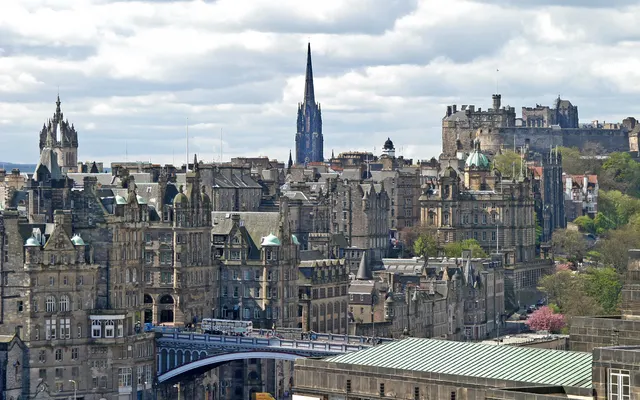 Edinburgh3 days · from 2 to 4
 Dublin3 days · from 2 to 4
 London3 days · from 2 to 5
 Amsterdam3 days · from 2 to 5
 Paris3 days · from 2 to 5
 Berlin3 days · from 2 to 5
 Prague3 days · from 2 to 5

Pick the type of trip, the pace and the budget, and Yupi builds the plan with real places. Then you vote and log the expenses. Free.
Photo credits
Cover: Renata (16:9 crop, converted to WebP) · Wikimedia Commons (Public domain)
Glenfinnan Viaduct: Daniel Kraft · Wikimedia Commons (CC BY-SA 3.0)
Loch Shiel and the Glenfinnan Monument: Daniel Kraft · Wikimedia Commons (CC BY-SA 3.0)
Buachaille Etive Mòr (Glencoe): Colin · Wikimedia Commons (CC BY-SA 4.0)
Steall Falls (Glen Nevis): Ian Stewart · Wikimedia Commons (CC BY-SA 2.0)