

Walking the Camino de Santiago alone: which route to choose, safety and how not to feel lonely
Walking the Camino alone is more common than you might think: lots of people set off alone and reach Santiago with a group of friends made along the way. These are the keys to choosing your route, walking with peace of mind and making the most of it.
Is it safe to walk the Camino alone?
Yes: the Camino is very well marked, it goes through towns and villages, and on the busiest routes you almost never walk for long without seeing other pilgrims. Even so, it’s worth taking the same precautions as on any walking route:
- Tell someone at home every day which stage you’re on and where you’re sleeping, or share your live location from your phone.
- Keep your phone charged and carry a power bank. 112 works along the whole Camino.
- Avoid walking at night on stretches without villages, and don’t stray from the arrows.
- Keep your money and passport in a waist pouch you wear, in the albergue too.
- If something doesn’t feel right (a person, a stretch, a place to stay), change your plan without hesitating.
Which Camino to choose if you’re going alone
For the first time, one with lots of people and lots of services: that way there’s always someone nearby, bars to stop at and albergues where you can meet other pilgrims.
- The French Way from Sarria (about 115 km, 5 days) is the busiest: it’s almost impossible not to make friends.
- The Portuguese Way from Tui (about 119 km, 6 days) also has a great atmosphere and the shortest, flattest stages.
- The English Way, the Primitive Way and the Northern Way are beautiful but much lonelier, with fewer services: better once you have some experience.
How to meet people along the way
- Sleep in albergues, especially the public ones: that’s where people have dinner, share and form groups.
- Join the communal dinners or the pilgrim’s menu at the village bar.
- Set off at a similar time each day: you’ll keep crossing paths with the same people.
- If you’d rather walk in silence, just say so: on the Camino that’s respected.
What it costs to go alone
Sleeping in albergues it costs the same as in a group: about €35–50 a day on a tight budget and €60–90 with a private albergue or guesthouse and luggage transfer. What makes going alone more expensive is private rooms, which you can’t share: if you want to sleep in guesthouses, book ahead and look for single rooms. You’ll find the details in what the French Way from Sarria costs.
How to organize it, step by step
- Pick your dates. May, June and September are the best months. In July and August, book everything well ahead.
- Decide where to sleep. The public Xunta albergues (about €10 a night) can’t be booked: beds go in order of arrival and they open around 13:00. Private albergues (about €12–20) and guesthouses can be booked. If there are 5 or more of you, it’s better to book.
- Get your credencial before you start: at parishes, albergues, tourist offices or Camino associations, including at the starting point. It costs €2 at most.
- Book your way there and back: how to get to the starting point and how to get home from Santiago (you’ll find it below).
- Decide whether you’ll carry your backpack. Correos (the Spanish postal service) and private companies carry it from one place to the next for about €5–8 per stage; it makes no difference for the Compostela.
- Train a little in the weeks before: a couple of long walks in the boots and with the backpack you’ll be taking.
- Split the tasks and the costs: who books each night, who carries the shared first-aid kit and how you’ll pay for dinners and accommodation.
What to pack
The less, the better: your backpack shouldn’t weigh more than 10% of your body weight. You wash clothes every afternoon, so you don’t need more than fits in a 30–40 liter pack.
- Hiking boots or trail shoes you’ve already broken in (never new ones) and flip-flops or sandals for the afternoon.
- Two or three sets of quick-dry technical clothing, with seamless socks.
- A rain jacket or poncho and a light fleece, even in summer.
- A light sleeping bag or sleeping bag liner for the albergues, a microfiber towel and earplugs.
- A headlamp: in summer people set off before dawn to avoid the heat.
- A cap, sunscreen, a 1-liter bottle and some cash (many villages have no ATM).
- A foot first-aid kit: blister plasters, needle and thread, petroleum jelly and an anti-inflammatory.
- Your passport or ID card and your credencial, in a plastic bag in case it rains.
Copy your Camino’s guide in one tap: each stage with its times, where to sleep and what to see. And if you join a group along the way, invite them to the trip to split dinners and accommodation without the hassle.
Try it freeFAQ
Is it dangerous for a woman to walk the Camino de Santiago alone?
It isn’t a dangerous route: it’s busy, well marked and goes through villages. The advice is the same as on any trip: tell someone your route every day, keep your phone charged, don’t walk empty stretches at night and, for your first time, choose a busy Camino like the French or the Portuguese Way.
Which Camino is best to walk alone?
For the first time, the French Way from Sarria or the Portuguese Way from Tui: they have more pilgrims, albergues and bars, so there’s always someone nearby.
Do you make friends walking the Camino alone?
Yes, it’s very common: in the albergues and at pilgrim dinners, groups form that end up arriving in Santiago together.
Is it more expensive to walk the Camino alone?
If you sleep in albergues, no: you pay per bed. It only costs more if you want a private room, because you don’t share it.
Itineraries ready to copy
Other Camino routes
Each with its stages, where to sleep and what it costs.
Plans you can copy ready for your trip.
Day-by-day itineraries from our guides, with the route for each day, times and prices. Copy them into the app and change them together.
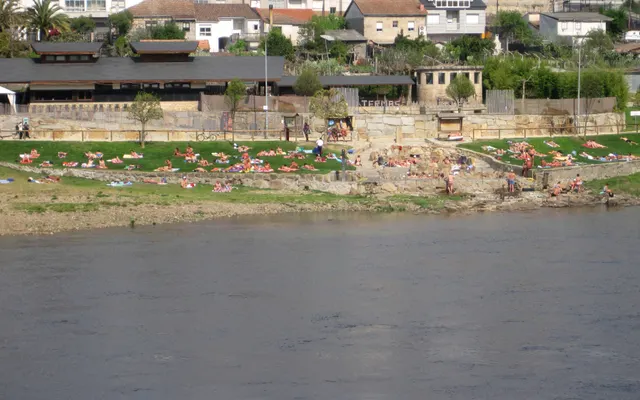 Ourense2 days · from 2 to 3
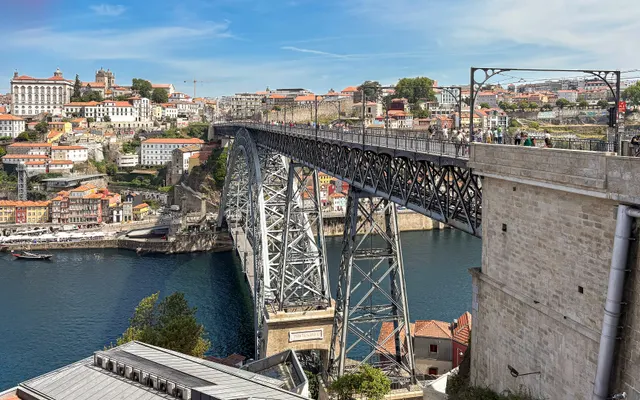 Porto3 days · from 2 to 4
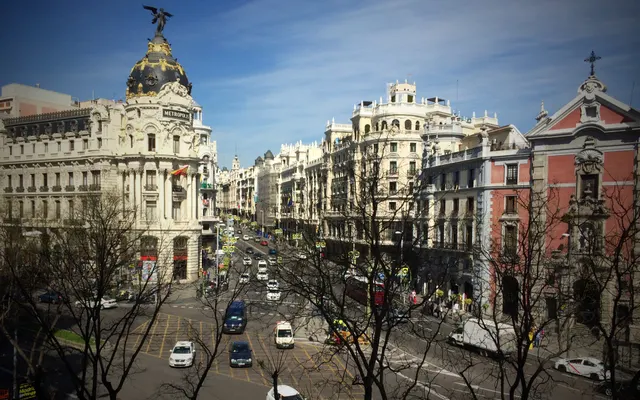 Madrid3 days · from 2 to 5
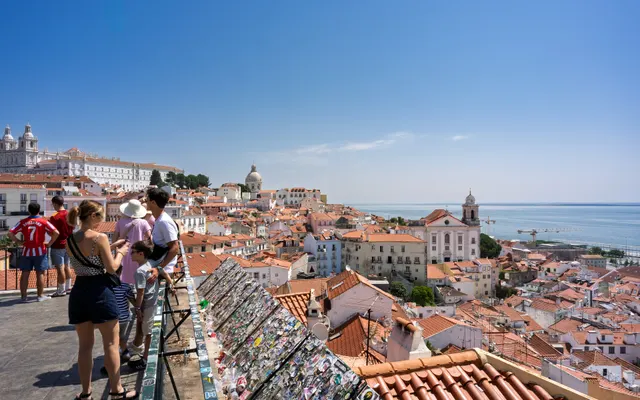 Lisbon3 days · from 2 to 5
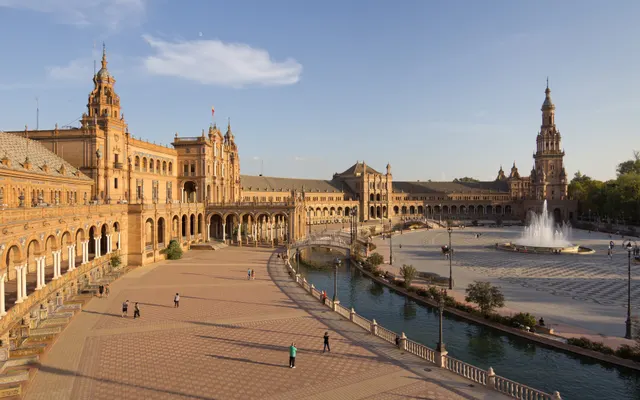 Seville3 days · from 2 to 4
 Málaga3 days · from 2 to 4
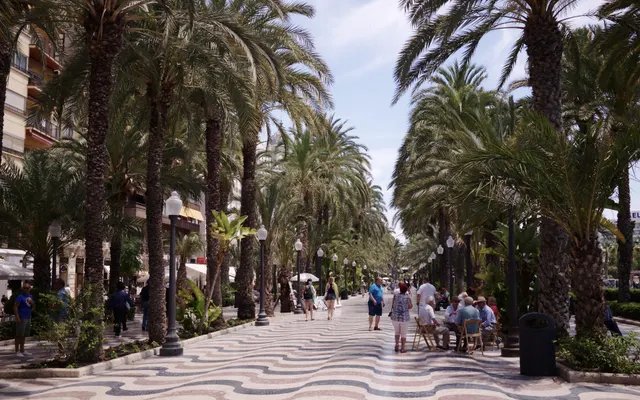 Alicante3 days · from 2 to 4

Vote on the destination, build the plan with times and log the expenses, all in one place. Free.