

Primitive Way from Lugo: the 5 stages, albergues, budget and everything you need
The Primitive Way is the oldest Camino, the one King Alfonso II walked from Oviedo in the 9th century. From Lugo, with its Roman walls, there are about 100 km left to Santiago in 5 stages: exactly what the Compostela requires. Here’s everything you need to walk it, stage by stage.
The essentials
| Best time | May, June and September: good weather and fewer people. July and August are hot with full albergues; many close in winter. |
|---|---|
| Distance | About 100 km from Lugo: exactly what the Compostela requires. |
| How many days | 5 days of walking; 6 with a day in Santiago. |
| Difficulty | Moderate: the first stretch is quiet but has few services, and the second stage is long. |
| Credencial | The pilgrim passport. It costs at most €2 and you get it from parishes, albergues and Camino associations. |
| Compostela | Free at the Pilgrim Office if you walk at least 100 km (200 by bike) with two stamps a day. |
| Waymarks | Yellow arrows and stone markers with the scallop shell and the kilometres left. It’s hard to get lost. |
| Documents | ID card or passport: every albergue asks for it. |
| Water | There are fountains along the way, but not all are drinkable (a sign says so). Always carry 1 litre. |
Who is this Camino for?
For anyone who wants to start in a city full of charm and walk the first days with few people around. The difficulty is moderate: the first stretch is quiet but has few services, and the second stage is long (28 km). In Melide it joins the French Way and the atmosphere changes completely: more pilgrims, more bars and more albergues.
The stages at a glance
| Day | Stage | Km | Walking |
|---|---|---|---|
| 1 | Lugo → San Román da Retorta | 20 km | about 5 h |
| 2 | San Román → Melide | 28 km | about 7 h |
| 3 | Melide → Arzúa | 14 km | about 3½ h |
| 4 | Arzúa → O Pedrouzo | 19 km | about 4½ h |
| 5 | O Pedrouzo → Santiago | 20 km | about 5 h |
| Total of the stages | 101 km |
Times are at a normal pace, without breaks. The total may differ by a few kilometers from the official distance depending on where you sleep each night and how you enter each town.
The stages, day by day
Day 1 · Lugo → San Román da Retorta
Leave through the Roman walls of Lugo into the Galician countryside.
- Stage: Lugo → San Román da Retorta (20 km) 08:00
About 5 hours. Before leaving, walk on the Roman walls (free) and get a stamp at the cathedral. The stage follows farm tracks through hamlets with few bars: carry water and food.
Free. - Lunch in San Román
A small hamlet: an afternoon to rest. - Rest after the stage
Hang your laundry as soon as you arrive: the afternoon sun dries it for the next day.
Free. - Pilgrim's dinner in San Román 20:00
Day 2 · San Román → Melide
A long, solitary stage to Melide, where the Primitivo joins the Camino Francés.
- Stage: San Román → Melide (28 km) 07:00
About 7 hours, the longest. It passes Ponte Ferreira with its medieval bridge and reaches Melide, where the Primitivo joins the Camino Francés and suddenly there are far more people.
Free. - Octopus in Melide
Melide is famous for pulpo á feira: at long shared tables, with bread and wine. - Rest after the stage
Hang your laundry as soon as you arrive: the afternoon sun dries it for the next day.
Free. - Pilgrim's dinner in Melide 20:30
Day 3 · Melide → Arzúa
A short stage between rivers and woods, now on the Camino Francés.
- Stage: Melide → Arzúa (14 km) 08:30
About 3½ hours, the shortest: a break after the long stage. Lovely woodland and the River Iso at Ribadiso, with an albergue by the bridge.
Free. - Lunch in Arzúa
Order Arzúa-Ulloa cheese, which comes from here: with quince paste. - Rest after the stage
Hang your laundry as soon as you arrive: the afternoon sun dries it for the next day.
Free. - Pilgrim's dinner in Arzúa 20:30
Day 4 · Arzúa → O Pedrouzo
A short stage so you reach Santiago rested.
- Stage: Arzúa → O Pedrouzo (19 km) 08:00
An easy stage of about 4½ hours through eucalyptus woods and hamlets, with bars every few kilometres. O Pedrouzo is the village of the municipality of O Pino: signs may call it Arca.
Free. - Lunch in O Pedrouzo
- Rest after the stage
Hang your laundry as soon as you arrive: the afternoon sun dries it for the next day.
Free. - Pilgrim's dinner in O Pedrouzo 20:30
Get an early night: tomorrow you reach Santiago.
Day 5 · O Pedrouzo → Santiago
The final stage and the arrival at the Obradoiro square.
- Stage: O Pedrouzo → Santiago (20 km) 07:00
About 5 hours. You pass the airport and climb Monte do Gozo, where you first see the cathedral towers. Leave early to reach the Obradoiro before the 12:00 Mass.
Free. - Santiago de Compostela Cathedral
Enter from the Obradoiro square, hug the statue of the apostle and visit the crypt (queues are shortest early on). The botafumeiro doesn’t swing at every Mass: only on special days or when someone pays for it; check the calendar on the cathedral website. Big backpacks aren’t allowed inside.
Entering the cathedral is free; the Pórtico de la Gloria, the museum and the rooftops need separate tickets.
Open daily from early morning; the pilgrims’ Mass is at 12:00, with another at 19:30. - Lunch on Rúa do Franco
- Pilgrim's Office
It’s at Rúa das Carretas 33, two minutes from the Obradoiro. On arrival you scan a QR code, fill in the form on your phone and get a queue number: so you can go for lunch and come back. Bring your credencial with all the stamps.
The Compostela is free; the optional distance certificate costs a few euros.
Every day 9:00–19:00 (closed 25 December and 1 January) - Rest after the stage
Hang your laundry as soon as you arrive: the afternoon sun dries it for the next day.
Free. - Pilgrims’ Mass 19:30
The day’s arriving pilgrims are named; the botafumeiro swings only on special occasions.
Free. - Celebration dinner in Santiago 21:00
You've earned it.
The full plan, with times, a map and prices for each place, is in our Camino Primitivo in 5 days guide, and you can copy it into your trip in one tap.
The weather, month by month
| Month | High | Low | Rain |
|---|---|---|---|
| January | 12 °C | 5 °C | 12 days |
| February | 13 °C | 6 °C | 10 days |
| March | 14 °C | 6 °C | 12 days |
| April | 17 °C | 8 °C | 11 days |
| May | 19 °C | 10 °C | 9 days |
| June | 22 °C | 13 °C | 7 days |
| July | 25 °C | 15 °C | 3 days |
| August | 26 °C | 15 °C | 3 days |
| September | 23 °C | 13 °C | 6 days |
| October | 19 °C | 11 °C | 11 days |
| November | 14 °C | 8 °C | 13 days |
| December | 13 °C | 6 °C | 13 days |
Monthly averages. In Galicia it can rain at any time of year: always pack a rain jacket.
Budget per person per day
| Level | Per day | What it includes |
|---|---|---|
| Budget | €35–50 | Public albergue (about €10), breakfast, pilgrim menu and some groceries |
| Mid-range | €60–90 | Private albergue or shared guesthouse, set menus and backpack transfer |
| Comfortable | €120 or more | Booked rural hotels or guesthouses and your backpack carried every day |
Per person per day, not counting travel to the start. Estimated at 2026 prices. In Galicia the Camino is among the cheapest trips in Spain.
Getting to the start and back
Several buses a day from Santiago bus station, and some from the airport.
Lugo has a Renfe station with trains from A Coruña, Madrid and Ourense, sometimes changing at Monforte de Lemos.
Bus to central A Coruña, then a train or bus to Lugo.
City bus 6A links the airport with central Santiago every 20–30 minutes. Taxis charge a roughly fixed fare to the centre.
Where to sleep on each stage
The old town with the cathedral and the tapas streets, steps from the gate the Camino leaves by.
A hamlet with very few beds: book, or stay in a rural lodging with a transfer.
A big town with plenty of albergues, guesthouses and flats.
Lots of albergues: you’re on the Francés now.
Steps from the cathedral. For somewhere quieter and cheaper, the Ensanche, 10 minutes away.
What to eat
- Pilgrim menu: Starter, main, dessert, bread and wine or water for about €12–15. Served early, from 19:00.
- Pulpo á feira: Boiled octopus with olive oil, salt and paprika on a wooden plate. Melide’s is the most famous.
- Caldo gallego: Broth of turnip greens, potato, beans and a little meat. Perfect after a day walking in the rain.
- Empanada gallega: Galician pie with tuna, meat or scallops. Great to carry in your backpack.
- Tetilla and Arzúa-Ulloa cheese: Mild, creamy Galician cheeses with protected origin. With quince jelly for dessert.
- Tarta de Santiago: Almond cake with the cross of Saint James in icing sugar. The arrival dessert.
Many bars open very early for pilgrims: the usual breakfast is coffee with toast or sponge cake.
Small hamlets don’t always take cards: carry some cash.
Pilgrim dinners are served early (19:00–20:00) because albergues close around 22:00.
How to organize it, step by step
- Pick your dates. May, June and September are the best months. In July and August, book everything well ahead.
- Decide where to sleep. The public Xunta albergues (about €10 a night) can’t be booked: beds go in order of arrival and they open around 13:00. Private albergues (about €12–20) and guesthouses can be booked. If there are 5 or more of you, it’s better to book.
- Get your credencial before you start: at parishes, albergues, tourist offices or Camino associations, including at the starting point. It costs €2 at most.
- Book your way there and back: how to get to the starting point and how to get home from Santiago (you’ll find it below).
- Decide whether you’ll carry your backpack. Correos (the Spanish postal service) and private companies carry it from one place to the next for about €5–8 per stage; it makes no difference for the Compostela.
- Train a little in the weeks before: a couple of long walks in the boots and with the backpack you’ll be taking.
- Split the tasks and the costs: who books each night, who carries the shared first-aid kit and how you’ll pay for dinners and accommodation.
What to pack
The less, the better: your backpack shouldn’t weigh more than 10% of your body weight. You wash clothes every afternoon, so you don’t need more than fits in a 30–40 liter pack.
- Hiking boots or trail shoes you’ve already broken in (never new ones) and flip-flops or sandals for the afternoon.
- Two or three sets of quick-dry technical clothing, with seamless socks.
- A rain jacket or poncho and a light fleece, even in summer.
- A light sleeping bag or sleeping bag liner for the albergues, a microfiber towel and earplugs.
- A headlamp: in summer people set off before dawn to avoid the heat.
- A cap, sunscreen, a 1-liter bottle and some cash (many villages have no ATM).
- A foot first-aid kit: blister plasters, needle and thread, petroleum jelly and an anti-inflammatory.
- Your passport or ID card and your credencial, in a plastic bag in case it rains.
Tips for traveling as a group
- Walk at your own pace and meet at a bar halfway and at the finish: nobody gets pushed too hard.
- For groups of 5 or more, book a private albergue or a house: public ones can’t be booked.
- Backpack transfer is cheaper per person if several of you go to the same place.
- Carry a shared first-aid kit: blister plasters, needle and thread, anti-inflammatories and Vaseline.
- Note in Youtopia who booked each night and the shared costs of dinners and beds.
- Take the group photo at the 100 km marker and at the Obradoiro: nobody wants to miss those two.
Common mistakes (and how to avoid them)
- Wearing new boots or trainers on the Camino: break them in first. Blisters are the main reason people give up.
- Carrying too much: your backpack shouldn’t weigh more than 10% of your body weight.
- Starting late in summer: by midday it’s hot and the public albergues are full.
- Forgetting to stamp your credencial: you need two stamps a day for the Compostela.
- Leaving the rain jacket at home: it rains in Galicia in any season.
- Carrying no cash: many hamlets have no ATM and some bars don’t take cards.
- Setting off without food on day one: there are hardly any bars between Lugo and San Román.
Copy the guide into your trip in one tap: each stage with its times and stops. Log who has booked each night and the shared costs of dinners and accommodation, and when you reach Santiago the app tells you who owes whom.
Try it freeIf you have days to spare in Santiago
If you arrive a day early: the only Roman wall still complete, about 2 km long and a World Heritage Site. In the evening, free tapas with your drink on Rúa Nova.
The Romans’ «end of the earth»: the lighthouse, the 0.000 km marker and sunset over the Atlantic. Many pilgrims finish their Camino here.
The Virxe da Barca sanctuary on the rocks, tied to the legend of the apostle. Usually combined with Fisterra on the same day.
The Tower of Hercules (the oldest Roman lighthouse still in use), the seafront promenade and the glass galleries of La Marina.
Combarro and its granaries by the sea, Cambados and Albariño wine.
Can’t decide between Caminos? The French Way from Sarria is the most popular and has the most services, and the English Way from Ferrol is one of the quietest.
Camino FAQ
How far is it from Lugo to Santiago?
About 100 km, usually in 5 stages of 14 to 28 km. Exactly what the Compostela requires.
Why is it called the Camino Primitivo?
Because it’s the first one on record: King Alfonso II of Asturias walked it from Oviedo in the 9th century to visit the apostle’s tomb.
What do you need for the Compostela?
Walk at least 100 continuous km on a recognised Camino, ending in Santiago, with your credencial stamped (two stamps a day: at the start and end of the stage). You collect it free at the Pilgrim Office.
Where do I get the credencial?
From parishes, albergues, tourist offices and Friends of the Camino associations, including at the starting point. It costs at most €2. If you’re travelling from abroad, you can order one from an association in your country.
Do I need to book the albergues?
The public Xunta albergues (about €10 a night) can’t be booked: beds go first come, first served and they open around 13:00. Private ones (about €12–20) and guesthouses can, and in July and August it’s wise to book.
Can I walk without carrying my backpack?
Yes. Correos (the Spanish post) and private companies take your bag from one place to the next for about €5–8 per stage. Leave it in the morning with a label showing the destination. It makes no difference to the Compostela.
What should I pack?
Very little: two sets of technical clothing, seamless socks, a rain jacket, sandals for the afternoon, a light sleeping bag or sheet for albergues, a head torch, a foot first-aid kit and sunscreen.
Is the Camino safe?
Yes, it’s a busy, well-marked route and you usually walk alongside other pilgrims. Save the emergency number (112) and tell someone your route if you walk alone in low season.
Itineraries ready to copy
Other Camino routes
Each with its stages, where to sleep and what it costs.
Plans you can copy ready for your trip.
Day-by-day itineraries from our guides, with the route for each day, times and prices. Copy them into the app and change them together.
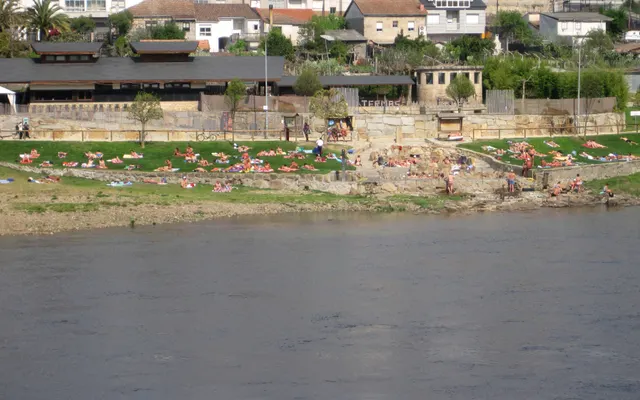 Ourense2 days · from 2 to 3
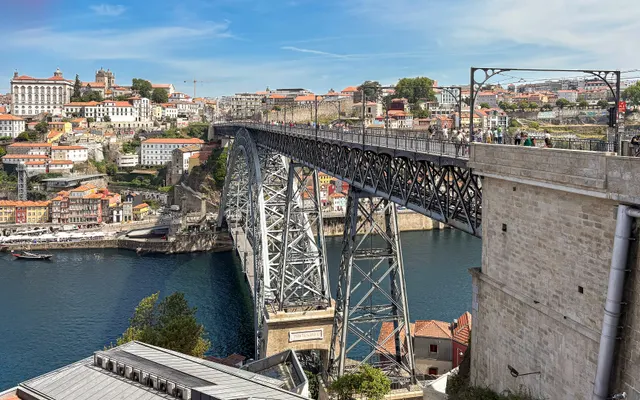 Porto3 days · from 2 to 4
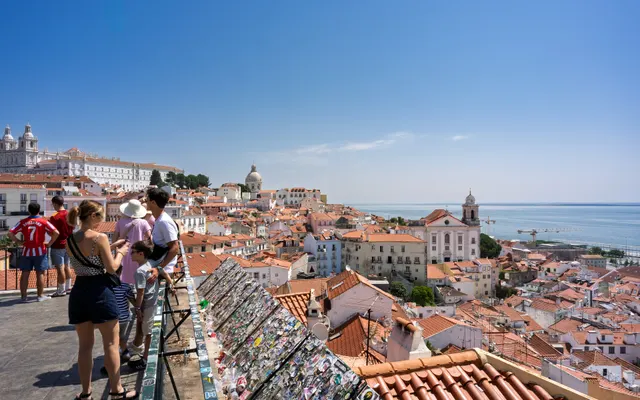 Lisbon3 days · from 2 to 5
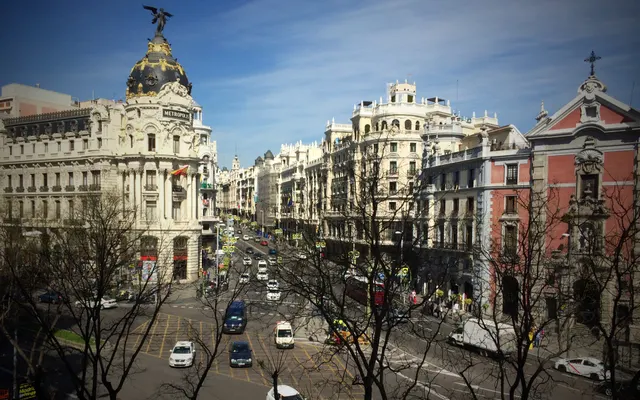 Madrid3 days · from 2 to 5
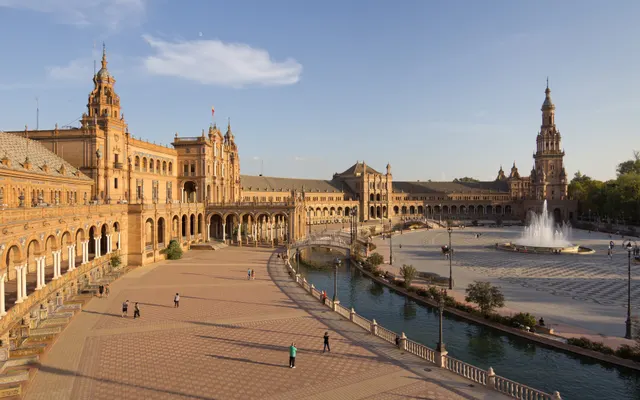 Seville3 days · from 2 to 4
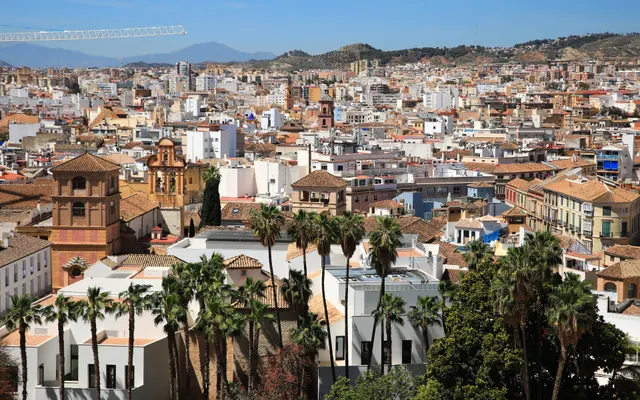 Málaga3 days · from 2 to 4
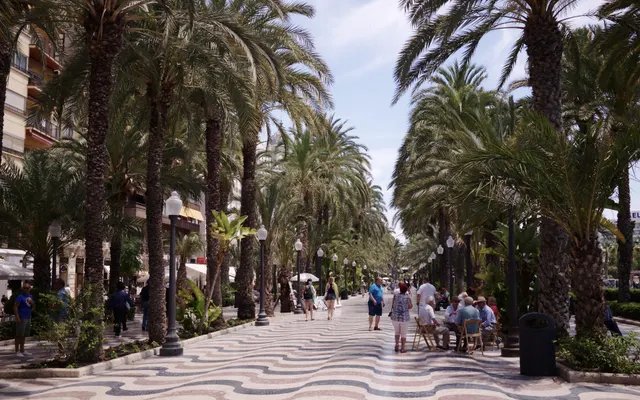 Alicante3 days · from 2 to 4

Vote on the destination, build the plan with times and log the expenses, all in one place. Free.