

Camino to Finisterre and Muxía: the stages from Santiago to the «end of the world»
It’s the only Camino that doesn’t end in Santiago but starts there: about 118 km to Cape Finisterre (Fisterra), the Romans’ «end of the world», and the sanctuary of Muxía on the rocks. Many people walk it after reaching Santiago, to finish by the sea. Here are the stages, which order to walk them in and how to get the certificates.
The essentials
| Distance | About 118 km doing both endings (Santiago → Fisterra → Muxía); about 90 km if you only go to Fisterra |
| Days | 4 to Fisterra; 5 if you continue to Muxía |
| Difficulty | Moderate: the second stage is very long (about 33 km) and between Fisterra and Muxía there’s a last steep climb. The rest is gentle |
| Waymarking | Yellow arrows and stone markers, like the rest of the Camino. From Santiago you leave from the Obradoiro square |
| Best time | May to September. On the Costa da Morte, wind and rain are common the rest of the year |
| Compostela | No: the Compostela is for those who arrive in Santiago. This Camino has its own certificates, the Fisterrana and the Muxiana |
The stages, one by one
- Santiago → Negreira (about 21 km). You leave the Obradoiro heading west and, after the last view of the cathedral, the path drops down to the Tambre river at Ponte Maceira, one of the prettiest stone bridges and villages in Galicia.
- Negreira → Olveiroa (about 33 km). The longest stage, through villages with hórreos (granaries) and over Monte Aro. There are few services: carry water and food. Many people split it in two, stopping at Santa Mariña or A Picota.
- Olveiroa → Cee or Corcubión (about 20 km). After the climb to Alto do Sino, at the Cruceiro da Armada you see the sea for the first time. Before that, in Hospital, the Camino splits: left for Fisterra, right for Muxía.
- Corcubión → Fisterra (about 15 km). Along the sea, past the beaches of Sardiñeiro and Langosteira. From the town it’s about 3 km more to the lighthouse and the kilometer 0 marker. Don’t leave without watching the sunset from the cape.
- Fisterra → Muxía (about 29 km). Inland and past O Rostro beach, with a stop halfway in Lires. At the end, the climb up Monte Facho de Lourido and the descent to the sanctuary of Virxe da Barca, on the rocks where the waves break.
Both work: you choose in Hospital. Going to Fisterra first and finishing in Muxía is the most common; the other way round, you finish with the sunset at the cape. If you only have 4 days, go to Fisterra.
The Fisterrana and the Muxiana
These are this Camino’s certificates: the Fisterrana when you reach Fisterra and the Muxiana when you reach Muxía. To get them you must have walked from Santiago with your credencial stamped (the same one you used to reach Santiago works: keep stamping it heading west, at least once a day). For the Muxiana, also get a stamp in Lires, halfway along the stage from Fisterra.
They’re collected at the tourist office or the public albergue in each town, but the place and requirements have changed several times: ask when you arrive or call the tourist office beforehand.
Where to sleep
There are public Xunta albergues at the main stops (Negreira, Olveiroa, Cee or Corcubión, Fisterra, Lires and Muxía), which can’t be booked and fill up in order of arrival, and private albergues, guesthouses and rural houses that can. In summer there are far fewer people than on the French Way, but in Fisterra it’s worth booking if you arrive in August or at a weekend.
What to pack
The less, the better: your backpack shouldn’t weigh more than 10% of your body weight. You wash clothes every afternoon, so you don’t need more than fits in a 30–40 liter pack.
- Hiking boots or trail shoes you’ve already broken in (never new ones) and flip-flops or sandals for the afternoon.
- Two or three sets of quick-dry technical clothing, with seamless socks.
- A rain jacket or poncho and a light fleece, even in summer.
- A light sleeping bag or sleeping bag liner for the albergues, a microfiber towel and earplugs.
- A headlamp: in summer people set off before dawn to avoid the heat.
- A cap, sunscreen, a 1-liter bottle and some cash (many villages have no ATM).
- A foot first-aid kit: blister plasters, needle and thread, petroleum jelly and an anti-inflammatory.
- Your passport or ID card and your credencial, in a plastic bag in case it rains.
How to get back to Santiago
From both Fisterra and Muxía there are regular buses to Santiago several times a day, less often in winter and on Sundays: check the timetables beforehand. If you’re a group, a taxi or a shared transfer is worth it and drops you at the airport or the station.
Add the stages to your trip, log who books each night and the shared costs of dinners, accommodation and the bus back, and at the end the app tells you who owes whom.
Try it freeHaven’t chosen your Camino to Santiago yet? See which Camino to walk: all 6 compared by distance, days, difficulty and price.
FAQ
How many kilometers is it from Santiago to Fisterra?
About 90 km, usually in 4 stages. If you continue to Muxía, it’s about 29 km more.
Does the Camino to Fisterra give you the Compostela?
No. The Compostela is given to those who arrive in Santiago. This Camino has its own certificates: the Fisterrana in Fisterra and the Muxiana in Muxía.
Which is the hardest stage?
Negreira–Olveiroa, about 33 km with few services. You can split it in two by sleeping in Santa Mariña or A Picota.
How do you get back from Fisterra to Santiago?
By regular bus, with several departures a day (fewer in winter and on Sundays), or by taxi or shared transfer if you’re a group.
Itineraries ready to copy
Other Camino routes
Each with its stages, where to sleep and what it costs.
Plans you can copy ready for your trip.
Day-by-day itineraries from our guides, with the route for each day, times and prices. Copy them into the app and change them together.
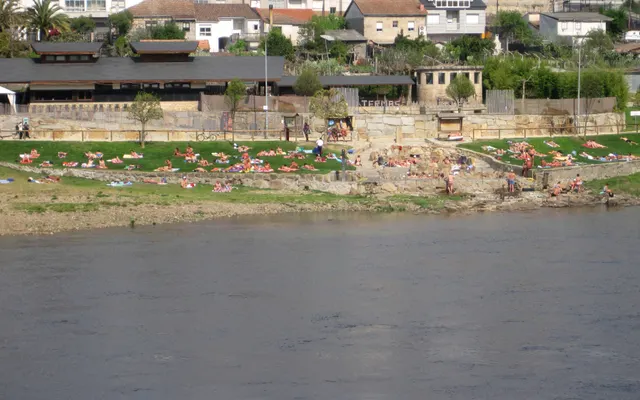 Ourense2 days · from 2 to 3
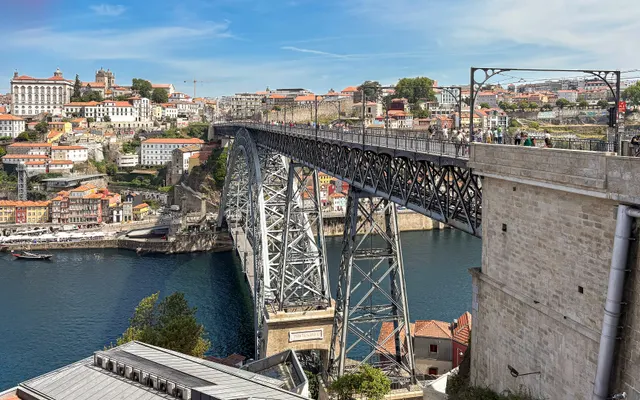 Porto3 days · from 2 to 4
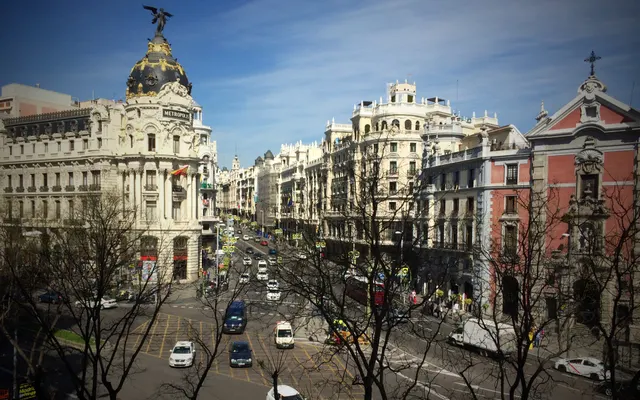 Madrid3 days · from 2 to 5
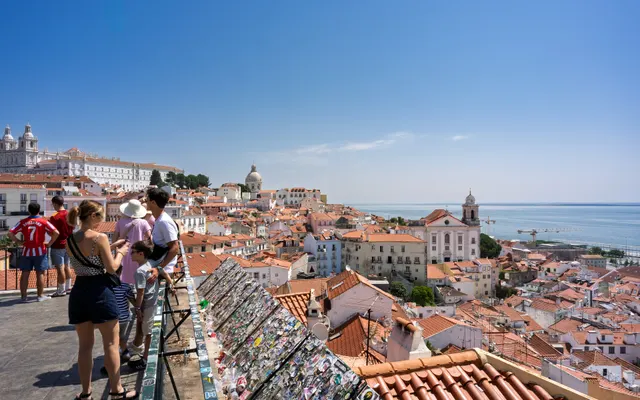 Lisbon3 days · from 2 to 5
 Seville3 days · from 2 to 4
 Málaga3 days · from 2 to 4
 Alicante3 days · from 2 to 4

Vote on the destination, build the plan with times and log the expenses, all in one place. Free.