
Northern lights in 2026–2027: where to see them, when to go and how to plan the trip
If seeing the northern lights has been on your list for a while, this winter is a good excuse to finally plan the trip. But let me start with the important part: nobody can promise they’ll show up on the exact night you’re there. What you can do is pick the right area, book enough nights and understand what to look for in the forecasts. Here’s how I’d approach it, with real data and no hype.
Quick note: some of the accommodation, activity and eSIM links in this article are affiliate links. If you book through them, Youtopia may earn a commission at no extra cost to you. I flag each one, and the recommendations still have to suit you.
Is it worth chasing the northern lights this winter?
Interest has gone through the roof. In November 2026, Trip.com Group reported that global aurora-related searches were up 132% year on year, and bookings for aurora tours up 225%. Those are internal figures from that platform, comparing specific periods; they don’t represent every Google search, and they don’t mean there will be more auroras this winter. They do help explain why Tromsø, Reykjavík and Lapland are on so many travel lists.
We’re also in the peak of Solar Cycle 25. NASA and NOAA announced that the Sun had entered its maximum phase in October 2024, and that it could last through the following year. That raises the chances of geomagnetic activity, but it doesn’t let anyone predict months ahead which night you’ll see the lights from a given town. For your trip, latitude, darkness, clouds and luck matter just as much.
I wouldn’t book a trip thinking «this year I’m bound to see them». I’d book it because I want to see the Arctic and its landscapes, and I’d plan several nights to give the aurora more than one chance.
When can you see the northern lights?
The aurora happens all year round, but you need darkness to see it. That’s why the season runs, roughly, from late August or September to March or early April, depending on where you go. In summer the nights are simply too bright at these latitudes.
In northern Norway, Visit Norway puts the season between late August and late March. In Finland, Visit Finland extends it from late August to early April. Iceland also has usable nights for much of that period, as long as the clouds and the activity play along. There’s no universal «opening date»: it’s a window of darkness, not a showtime schedule.
Which month should you pick?
| Months | What you get | What to keep in mind |
|---|---|---|
| September and October | Dark nights are back, temperatures are milder and sometimes there’s no snow on the ground yet. | Fewer hours of darkness than in midwinter; the weather can be rainy. |
| November and December | Very long nights and a full winter atmosphere. | Cold, very little daylight and high demand around the holidays. |
| January and February | Plenty of darkness and lots of snow activities. | Low temperatures, and bookings worth locking in early. |
| March | More daylight to enjoy and still dark nights; often a good balance. | Snow and weather depend a lot on the area and the year. |
The official tourism boards of Finland and Norway point out that activity can be statistically stronger around the autumn and spring equinoxes. Treat that as a general trend, not a guarantee for a specific week. If the holidays are the only time you can travel, that’s fine: there are many hours of darkness, though it’s also peak season.
Tromsø, Lapland or Iceland?
There’s no single best destination for everyone. I’d compare how easy it is to get around, the kind of trip you want and how many nights you can give it.
It has an airport, hotels, restaurants and tours that drive you away from the city lights. Visit Norway describes it as the main aurora travel hub in northern Norway, though it also warns that it fills up in winter. The upside is being able to book a tour that moves with the sky; the downside is that hotels and activities can get very expensive on popular dates.
Rovaniemi is easy for a first visit and for a family trip: you can mix the town with sled rides, saunas and day trips. If dark skies are your absolute priority, also look at areas further north in Lapland, like Saariselkä or Inari, and check the transfers carefully. Finland has lots of tourism infrastructure, but a glass igloo doesn’t change the weather or create auroras.
The big advantage is that the aurora can be one part of a trip that’s spectacular on its own: waterfalls, coastline, hot springs and volcanoes. Reykjavík works as a base, but light pollution and clouds mean that on many nights you’ll need to leave the city or change area. Driving in winter weather is no small detail: always check road conditions and follow local advice.
My pick, depending on your plan
- I only have 3 or 4 nights: I’d pick Tromsø or Rovaniemi and book a flexible tour for one of the nights.
- I want a full one-week trip: Iceland makes sense if you love landscapes and will enjoy it even if the aurora doesn’t show.
- The priority is as many dark nights as possible: I’d look further north in Lapland or at a Norwegian base with access to clear areas, without obsessing over the most famous name.
- I’m traveling with kids or people who hate the cold: I’d prioritize a comfortable stay, easy transfers and daytime activities, and I wouldn’t do a long night chase every night.
A famous town doesn’t mean clear skies every night. In Norway, the sea, mountains and valleys create different conditions a short distance apart. In Iceland, cloud cover changes by region. Check the local forecast and don’t decide your route based on one app screenshot.
How many nights to book so you have options
If you can, book at least three full nights at your destination; four or five give you more margin and let you move the tour to whichever night looks best. That isn’t a mathematical probability or a promise of success. It just stops everything from hinging on a single cloudy night.
Trip.com says international travelers who book aurora destinations spend eight to nine days there on average. That describes its own customers; it doesn’t mean you need nine days. For a trip from Europe, four or five nights can be a reasonable sweet spot if the budget and flights work. From North America, a week makes the long flight more worthwhile.
Plan your days as if the aurora weren’t going to show: a walk, a museum, a sauna, local food or a snow activity. That way the trip doesn’t feel like a failure if the sky closes in. And if the lights do appear, it’s an incredible bonus.
A four-night example that doesn’t make you live by the forecast
- Day 1: arrive, settle in and buy the basics. I wouldn’t pack the first night with plans: between flights and transfers, you’ll be tired.
- Day 2: a daytime activity and a free first night. If the local forecast looks good, head out; if not, rest and save your energy.
- Day 3: a day trip, and an aurora tour at night. Choose an operator with a clear policy and proper clothing included or available.
- Day 4: keep it as a buffer. Go out again if conditions improve, or enjoy the town if they don’t.
- Day 5: head home, avoiding a demanding tour the night before your flight.
This plan is deliberately simple: if the sky is clear on the first night, great; if not, you still have more chances. In a group, it also helps to decide in advance which activities are must-dos and which can move. Write down who books each tour, which payments can be canceled and until when.
How to read the forecast without losing your mind
You need several pieces at once: darkness, a clear enough sky, geomagnetic activity and a spot with little artificial light. NOAA explains that the Kp index sums up geomagnetic activity on a scale from 0 to 9, but it’s a rough global measure. In the Arctic you can see auroras at values that would seem low to someone further south; and a high Kp is no use if there’s a layer of cloud above you.
- Start with the clouds. If the sky is overcast, the activity may be happening behind them and you won’t see it. In Iceland, the official weather service shows cloud cover and the aurora forecast as separate layers.
- Check the activity close to the date. Detailed forecasts are more useful in the short term. A screenshot of a prediction two weeks out isn’t a reliable plan.
- Get away from city lights. You don’t need to go somewhere dangerous or drive down a back road you don’t know: follow your guide’s or the local authorities’ advice.
- Be patient and wrap up warm. A faint glow can appear before your eyes really pick it up. Stay a while, let your eyes adjust and check the sky again.
In Iceland you can check the official aurora and cloud forecast from the Icelandic Meteorological Office. To understand what Kp means and the factors involved, NOAA’s viewing guide is a good place to start. Use the weather forecast for the area you’re in too, not just a solar activity map.
Guided tour or on your own?
A guided tour makes sense if you don’t know the area, don’t want to drive at night or like the idea of someone hunting for gaps in the clouds. Ask what happens if you don’t see the aurora: whether you can switch dates, cancel, get a photo, or whether there’s no refund. Every operator has its own terms, and «aurora hunt» doesn’t mean the result is guaranteed.
If you go on your own, renting a car gives you flexibility, especially in Iceland, but it also comes with responsibility. In winter, wind, ice, snow and visibility change fast. Check the roads and official advice every day; don’t stop on a dangerous shoulder for a photo or follow other cars off a safe route.
Where to stay: location before a glass roof
A place with a glass roof sounds like a movie, and it can be a lovely experience. But I wouldn’t pay a huge premium thinking it raises your chances of seeing the aurora. If it snows, it’s cloudy or there’s no activity, the roof can’t fix it. Before booking, I’d check: how long it takes from the airport, whether you can eat nearby, the cancellation policy, whether there’s transport at night and whether you can easily step out into a dark spot.
To compare options in town, you can search for places to stay in Tromsø on Booking.com. In Finland, try searching for places to stay in Rovaniemi on Booking.com. If you’re planning part of the trip in Iceland, you can also compare places to stay in Reykjavík on Trip.com. These are affiliate links; always check the final price, the location and the cancellation terms before you pay.
How much it can cost: building a realistic budget
I don’t want to give you a made-up «average price»: it varies hugely depending on where you fly from, dates, luggage, room type and activities. To get numbers that actually work for you, I’d build the budget per person with these items:
| Item | What to include | Where it spikes |
|---|---|---|
| Flights | Round trip, luggage, seat if you need one and transfers. | The holidays, flights with tight connections and checked bags. |
| Accommodation | Nights, taxes, breakfast and transport into town. | Private rooms, peak dates and last-minute bookings. |
| Tours | The aurora tour and any snow activity. | Snowmobile rides, sled rides and private tours. |
| Food | Breakfast, lunch, dinner and something hot during the night. | Restaurants and groceries in the Nordics tend to weigh heavily on the total. |
| Getting around | Buses, transfers, car rental and fuel. | Rentals with insurance, winter driving and parking. |
| Extras | Thermal clothing you’re missing, insurance, data and a margin for surprises. | Buying everything on arrival or not checking what the tour includes. |
Draw up three scenarios: basic (shared or simple room and free activities), comfortable (private room and one tour) and special (a cabin or a premium activity). Then vote as a group on which item matters most. It’s more useful than arguing over a single total that doesn’t reflect your trip.
When comparing flights, don’t just go with the first price you see. Look at the departure city, layovers, arrival time, included luggage and whether the route forces an extra night somewhere. In Arctic destinations, arriving late can complicate the transfer and cost you a useful night. If several of you are flying from different cities, compare each one separately and agree on an arrival window before booking non-refundable activities.
In Iceland, staying in Reykjavík and driving around the country are two different trips. To drive the Ring Road in winter, don’t plan your miles as if it were summer: wind, ice and daylight hours set the pace. If you have no experience driving in snow, you can stay in the city and book tours with transport. In Tromsø or Rovaniemi, a single base can make the trip much simpler.
What to wear to last a night looking at the sky
The trick isn’t to wear a giant coat and cross your fingers. It’s dressing in layers and keeping your feet and hands dry. For a long wait, I’d pack:
- A thermal base layer, ideally one that wicks moisture.
- A warm mid layer (fleece or wool) and a windproof, waterproof outer layer.
- Warm socks, waterproof boots with room to wiggle your toes, and gaiters if you’ll walk in snow.
- A hat that covers your ears, a neck warmer, and thin gloves plus warm mittens.
- Reusable hand warmers if you get on with them, a power bank kept close to your body and a headlamp with a red-light mode.
If you’re going on a tour, ask whether they lend thermal suits and boots: they often do, but don’t take it for granted. Bring a dry layer to change into if you sweat during an activity. And if you start shivering nonstop, stop being brave and go warm up.
How to photograph the aurora with your phone
You don’t need a professional camera to keep the memory. On many phones, night mode can capture more light than your eye sees. Rest the phone on a small tripod or a steady surface, clean the lens and avoid digital zoom. If your phone has manual controls, try short exposures first and adjust; if you go too long, the stars and shapes can come out blurry.
- Bring a power bank: the cold can drain your phone faster.
- Turn off the flash and lower your screen brightness so you don’t dazzle everyone else.
- Take a test shot, then put the phone away and enjoy the sky.
- Don’t look at your screen while crossing roads, ice or snow: safety first.
Data, payments and small practical details
Norway and Iceland aren’t in the EU, but they are in the European Economic Area, so EU phone plans usually include roaming there, within each carrier’s fair-use limits. If your plan is from the UK, the US or elsewhere, roaming in all three countries depends entirely on your carrier and can be expensive: check before you go to avoid surprises.
If your carrier charges extra or you want a separate data line, an eSIM is handy. Saily’s eSIM is one option; with the code YOUTOPIA10 you get the discount from our partnership. Check the coverage, amount of data, duration and whether your phone is compatible before buying. There’s no need to buy one if your plan already covers you well.
How I’d plan it with friends
- I’d lock in dates and a maximum budget first. In winter, a Nordic destination can vary a lot in price from one week to the next.
- I’d pick one base and enough nights. I’d avoid switching hotels every day, unless the trip itself is a road trip.
- I’d book cancellable accommodation when it makes sense. I’d check the actual deadline, not just the «free cancellation» headline.
- I’d keep one night flexible for the tour. I’d ask the operator when they recommend deciding and what their policy is if nothing shows.
- I’d plan days we actually want to do. That way the trip is worth it even if the sky doesn’t cooperate.
On a group trip, it also helps if one person doesn’t end up carrying all the bookings and payments. In Youtopia you can keep dates, budget, to-dos, the daily plan and shared expenses in the same trip.
Build the plan, split who books what and log the group’s expenses. If the weather changes, you move the tour and still have a trip to enjoy.
Try it freeWhat to remember before you book
- The aurora isn’t guaranteed. No hotel, guide or serious forecast can promise you’ll see it.
- More nights mean more chances. Three nights is a practical minimum; four or five is better if the budget allows.
- Clouds matter as much as Kp. Check local forecasts and update them close to the date.
- Choose the destination for the whole trip. Tromsø for tours and a city feel; Lapland for snow and activities; Iceland for landscapes and a road trip.
- Put safety and flexibility first. Especially if you’re driving or going out at night in winter.
FAQ
What’s the best month to see the northern lights in 2026–2027?
The season usually runs from late August or September to March or early April. September, October, February and March can offer a good mix of darkness and activity, but no month guarantees a sighting.
How many days do I need to see the northern lights?
Try to spend at least three full nights at your destination; four or five give you more chances and flexibility. No length of stay guarantees a sighting.
Is Tromsø, Rovaniemi or Iceland better?
Tromsø is easy for tours and city life; Rovaniemi combines auroras with snow activities; Iceland works best for a landscape trip where the aurora is one more possibility.
What Kp index do I need to see the aurora?
There’s no magic number. Kp gives a rough idea of geomagnetic activity, but latitude, clouds, darkness and light pollution count too.
Can you see the northern lights with the naked eye?
Yes, though the color can look fainter than in photos, especially when activity is low. Your phone camera can pick up more light than your eyes.
Does a glass igloo increase your chances?
No. It makes it more comfortable to watch the sky from your room, but it doesn’t stop clouds or create auroral activity. Choose on location, comfort and price.
Do I need an eSIM in Norway, Iceland or Finland?
It depends on your carrier and plan. Check roaming and its limits before you go; an eSIM like Saily is optional if you need extra data.
And that’s it. If you have any questions, write to me at hola@getyoutopia.app or on Instagram at @getyoutopia: I read everything and reply.
Plans you can copy ready for your trip.
Day-by-day itineraries from our guides, with the route for each day, times and prices. Copy them into the app and change them together.
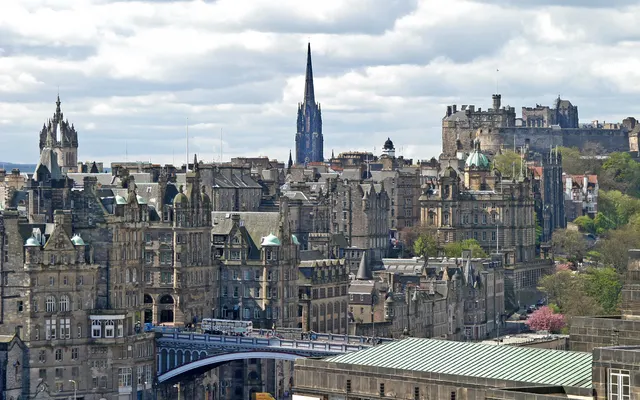 Edinburgh3 days · from 2 to 4
 Dublin3 days · from 2 to 4
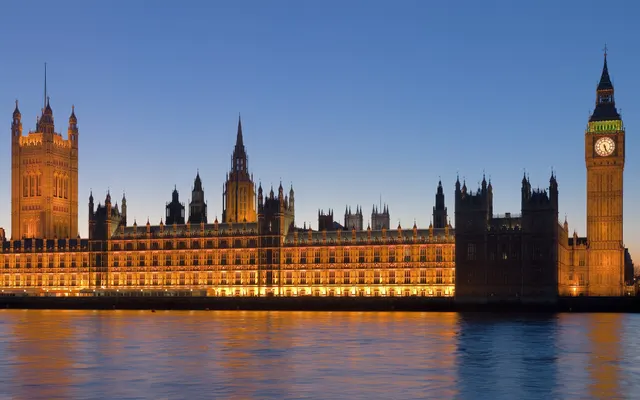 London3 days · from 2 to 5
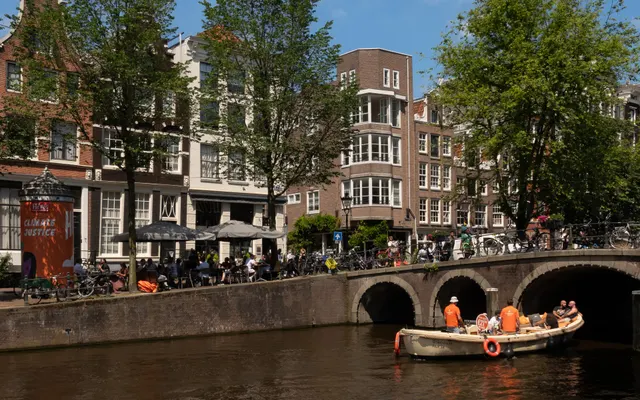 Amsterdam3 days · from 2 to 5
 Paris3 days · from 2 to 5
 Berlin3 days · from 2 to 5
 Prague3 days · from 2 to 5

Vote on the destination, build the plan with times and log the expenses, all in one place. Free.
Photo credit
Ximonic (Simo Räsänen) · Wikimedia Commons (CC BY-SA 3.0)