
Your EHIC or GHIC won’t cover this (and most people only find out when they need it)
«I’ve got my EHIC, so I’m covered». It’s one of the most repeated lines before a trip around Europe, and it’s only half true. The card is free, quick to get and can save you a lot of money. But it has gaps almost nobody knows about until it’s their turn. Here they are, based on what the EU and the NHS themselves say.
Disclosure: Youtopia is an affiliate of IATI, a travel insurer. If you buy through our links we earn a commission at no cost to you. We don’t tell you which insurance or which cover you need: we explain what the card covers and what it doesn’t, and you decide.
What it is and what it does cover
The European Health Insurance Card (EHIC), and its UK version, the Global Health Insurance Card (GHIC), prove you have public health cover at home. With it, if you get ill or have an accident during a trip, you’re treated in the public health system of the country you’re visiting on the same terms as the people who live there. It’s free: EU residents get the EHIC from their national health service, and UK residents get the GHIC from the NHS.
It covers care that can’t wait until you get home: an emergency, an infection, a fall, or a chronic condition that needs looking after during the trip.
Where it works
An EU EHIC works in the 27 EU countries plus Iceland, Liechtenstein, Norway and Switzerland, and in the UK for medically necessary treatment during a visit. The UK GHIC works across the EU and in a few other places; in Switzerland only some people can use it, so check before you go. Outside Europe (the US, Morocco, Turkey, Thailand, Japan…) these cards are no use at all. And if you live in the US, Canada or Australia, neither card applies to you: check whether your own plan covers you abroad.
What it does NOT cover
1. Private healthcare
If you end up in a private clinic or hospital, the card doesn’t count. In some tourist areas the nearest place to your hotel or the beach may well be private. Before going in, ask whether it’s a public facility.
2. Repatriation
If you need to be flown home on a medical flight, by ambulance or with a medical escort, the card doesn’t pay for it. The same goes for bringing someone home who has died. It’s one of the most expensive things that can happen on a trip.
3. Rescues
Both the EU and the NHS use skiing as the example: the card doesn’t cover search and rescue or mountain rescue. A rescue in the mountains or at sea can cost a lot, depending on the country and what’s needed.
4. Each country’s co-payments
You’re treated like a local, and that includes paying like one. Many public systems have co-payments: in Germany, for example, there’s a charge for each day in hospital, and in France it’s common to pay at the doctor’s and claim part of it back afterwards. Nobody refunds that part.
5. Anything that isn’t medical
The card is only for healthcare. It doesn’t cover canceling the trip if you fall ill before leaving, lost luggage, a missed flight or coming home early because of a family emergency.
6. Planned treatment
If you’re traveling to have an operation or treatment that was already planned, the card doesn’t apply: that has a separate process you arrange in your home country beforehand.
| Situation | Covered by the EHIC/GHIC? |
|---|---|
| Emergency in a public hospital in the EU | Yes, like a local (with local co-payments) |
| Doctor at a private clinic | No |
| Medical flight home | No |
| Mountain or sea rescue | No |
| Canceling the trip because you fall ill beforehand | No |
| Lost or stolen luggage | No |
| A trip outside Europe | No |
So do you need travel insurance?
The card, always: it’s free and takes up no space. Whether you also want insurance depends on your trip and on what you already have: some credit cards and health plans include cover abroad. Check what you’ve got and think about the gaps above: if a repatriation, a rescue or losing what you’ve paid for the trip would be a problem for you, that’s the moment to look at insurance.
Outside Europe it’s a different story: the card doesn’t work there, and in countries like the US a visit to the emergency room can be extremely expensive.
Before you go
- Check the expiry date on your card and renew it in time if it runs out during the trip.
- One per person: children have their own too.
- Keep it in your wallet and save a photo on your phone.
- If it doesn’t arrive in time, you can ask your health service for a provisional certificate that works the same way.
- Keep the receipts for everything you pay there: you’ll need them to claim money back.
Create the trip and Youtopia reminds you what you need for that destination: documents, health card, insurance, eSIM and packing.
Try it freeFAQ
What doesn’t the EHIC cover?
Private healthcare, repatriation, rescues, the local co-payments, planned treatment and anything that isn’t medical, like trip cancellation or luggage.
Does an EU EHIC work in the UK?
Yes, for medically necessary treatment during a visit, under the agreement between the UK and the EU.
Where does the UK GHIC work?
Across the EU and in a few other places. In Switzerland only some people can use it, so check the NHS website before you go.
How much does the EHIC or GHIC cost?
Nothing. Apply only through your official health service: some websites charge for doing it for you.
Will they treat me if I don’t have it with me?
They can’t refuse to treat you, but you may have to pay up front and claim the money back when you get home.
And that’s it. If you have any questions, write to me at hola@getyoutopia.app or on Instagram at @getyoutopia: I read everything and reply.
Plans you can copy ready for your trip.
Day-by-day itineraries from our guides, with the route for each day, times and prices. Copy them into the app and change them together.
 Athens3 days · from 2 to 5
 Istanbul3 days · from 2 to 5
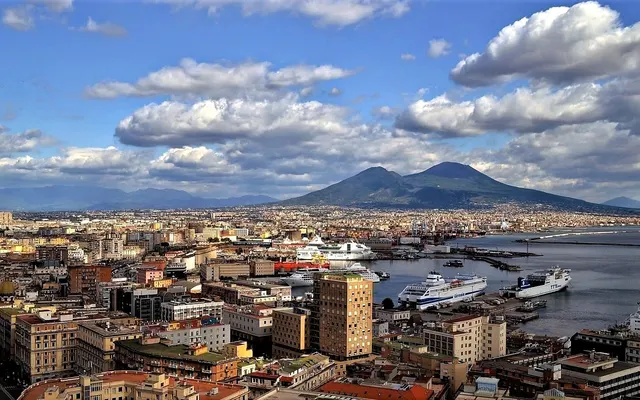 Naples3 days · from 2 to 5
 Rome3 days · from 2 to 5
 Budapest3 days · from 2 to 5
 Florence3 days · from 2 to 4
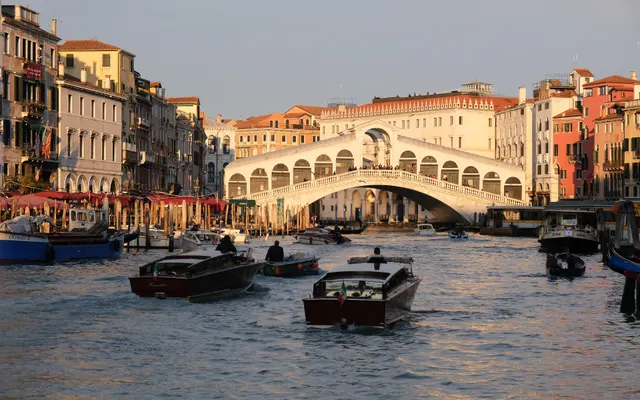 Venice2 days · from 2 to 3

Vote on the destination, build the plan with times and log the expenses, all in one place. Free.