What’s free, one by one
Senso-ji Temple
Tokyo’s oldest Buddhist temple, founded in 645. You enter through the Kaminarimon gate with its huge red lantern, then reach the main hall and the five-storey pagoda. You can draw an omikuji (paper fortune) for ¥100.
Free
Tip: At 8:30 it’s nearly empty; from 10:00, packed. At night, lit up and deserted, it’s a different visit. The «omikuji» fortunes cost a few coins: if you get bad luck, tie it at the temple and leave it there.
In the plan: day 1 ›Akihabara
The district of electronics, anime and video games: multi-storey stores, arcades, claw machines and themed cafés. At night, all neon.
Free
Tip: Electronics, manga, anime and multi-storey arcades. The claw machines (UFO catchers) are addictive: set a limit before you start.
In the plan: day 1 ›Meiji Shrine
A Shinto shrine dedicated to Emperor Meiji, in a forest of about 100,000 hand-planted trees. You walk in under a giant wooden torii and within minutes the city noise disappears.
Free
Tip: A forest in the middle of the city: enter through the great torii in Harajuku. On weekend mornings there are sometimes traditional Shinto weddings.
In the plan: day 2 ›Takeshita Street
Free
Tip: Youth fashion, crêpes and kawaii shops. At weekends you can barely move: weekday mornings are better.
In the plan: day 2 ›Omotesando
Free
Tip: The avenue of luxury stores and modern architecture. The side streets (Ura-Harajuku) have the small shops and cafés.
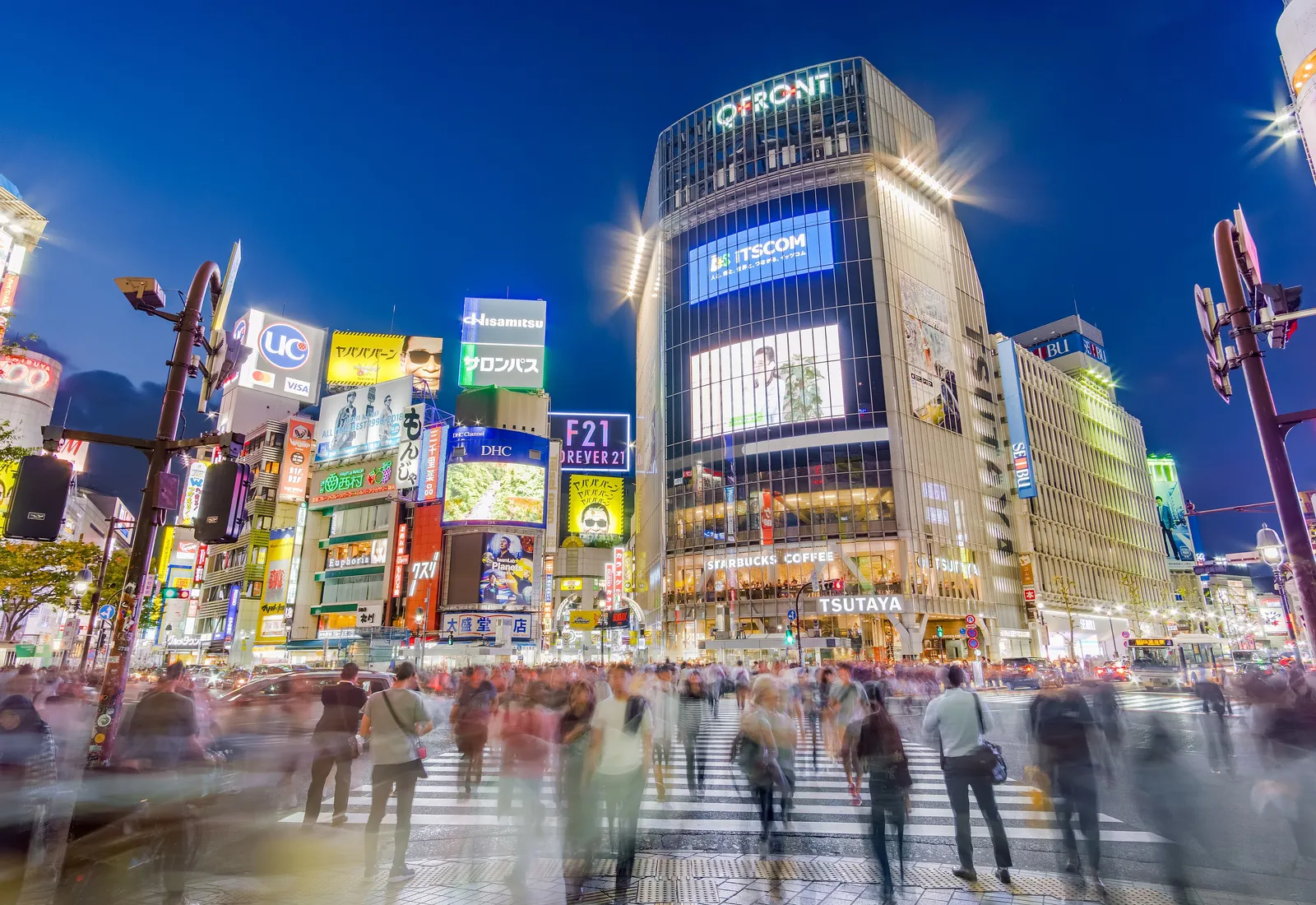
In the plan: day 2 ›Shibuya Crossing
The world’s most famous pedestrian crossing: when the lights turn green, up to thousands of people cross in every direction at once. Next to it, the statue of the dog Hachiko.
Free
Tip: Cross it once, then watch it from above: from Shibuya Sky or the windows of the surrounding buildings. The Hachiko dog statue is right outside the station.
In the plan: day 2 ›Ginza
Free
Tip: At weekends the main avenue (Chuo-dori) closes to traffic. The department store basements («depachika») have beautiful food to try.
In the plan: day 3 ›Imperial Palace East Gardens
The East Gardens of the Imperial Palace, site of Edo Castle: stone walls, moats, a Japanese pond garden and the foundations of the old keep. Free.
The East Gardens are free · Opening hours: Closed on Mondays and Fridays
Tip: The palace where the emperor lives can’t be visited: the East Gardens are what remains of old Edo Castle, with its stone walls.
In the plan: day 3 ›Tsurugaoka Hachimangu Shrine
Free
Tip: Kamakura’s main shrine, at the end of the cherry tree avenue. Climb the steps of the main hall to see the whole avenue.
In the plan: day 4 ›Shimokitazawa
Free
Tip: The neighbourhood of vintage clothes, cafés and small theatres. It’s 10 minutes from Shibuya on the Keio Inokashira Line.
In the plan: day 5 ›Nakameguro
Free
Tip: A river lined with cherry trees, small shops and a huge Starbucks Reserve. In late March, with the blossom out, it’s one of Tokyo’s prettiest spots.
In the plan: day 5 ›Golden Gai
Wandering is free; many bars charge a cover: it’s written on the door
Tip: Around 200 tiny bars in six Shinjuku alleys. Some only admit regulars: if the sign says «members only» or they turn you away, try the next one.
In the plan: day 5 ›Kappabashi
Free
In the plan: day 1 ›Ueno Park
Free
In the plan: day 1 ›Miyashita Park and Center Gai
Free
In the plan: day 2 ›Odaiba Gundam
Free
In the plan: day 3 ›Rainbow Bridge at sunset
Free
In the plan: day 3 ›Ebisu and Yebisu Garden Place
Free
In the plan: day 5 ›
FAQ
What can you see for free in Tokyo?
Senso-ji Temple, Akihabara, Meiji Shrine, Takeshita Street, Omotesando, Shibuya Crossing, Ginza, Imperial Palace East Gardens, Tsurugaoka Hachimangu Shrine, Shimokitazawa.
How much money do I need for Tokyo on a budget?
About ¥8,000–¥11,000 (≈ €45–€65) per person per day on a budget: hostel or simple room, cheap food, public transport and no expensive tickets.
What changes with tax-free shopping in 2026?
Since 1 November 2026 you pay the price including tax and get it refunded when leaving Japan, at the airport.
Prices checked in November 2026.