

Seville Holy Week 2027: where to watch, how to get around and what to book
Seville Holy Week 2027 runs from March 21 to 28. It is not a week for improvising every transfer: routes change how the centre works, streets fill up and exact timetables are confirmed closer to the date. Here is how to choose an area, move around respectfully and plan your visit without trying to chase every procession.
The first time you look at Seville Holy Week, it can seem as if you only need to pick a square and wait. In practice, decide what you want: see a float up close, watch from a less dense area, visit churches or explore the city as the atmosphere shifts. I will not invent 2027 routes or times: official itineraries are published closer to the date and may change.
Seville Holy Week takes place Sunday, March 21 to Sunday, March 28, 2027. Check the official programme for each brotherhood’s route and timings when it is published.
What you are seeing and how it works
During the week, religious brotherhoods hold processions with floats depicting scenes from the Passion. The Carrera Oficial is the shared route section through the centre; each procession also follows its own streets and neighbourhoods. There is no single viewing point for everything. The city still needs to provide access for residents, emergency services and normal travel, and authorities may introduce closures and access controls.
La Madrugá, from Thursday night into Good Friday morning, is one of the best-known moments and one of the busiest. If crowds are not for you, choose another day, a less compressed stretch or spend part of your visit at churches and squares during quieter hours. Check access rules and respect the religious character of the celebration even if you are visiting as a tourist.
Choosing a day and a place
Do not plan solely around the name of a brotherhood. Once the official route is available, check its departure point and approximate time at the stretch you want to see. Leave a buffer: walking between two points may be impossible while streets are closed or a procession is passing. Choose one main aim per day instead of racing across the centre.
- You want to watch a procession: choose a spot, arrive early and keep doorways and walkways clear.
- You want to understand the tradition: combine a church visit with a guided explanation and check religious service times.
- You are travelling with children or someone with limited mobility: check access, duration and places to rest before heading out.
- You dislike crowds: avoid planning the whole Thursday night around the busiest central areas and keep an exit option.
- You want to take photos: follow instructions, avoid flash when it may disturb people and do not block participants.
A flexible three-day plan
Day 1: get your bearings
Walk around the Cathedral, the Archive of the Indies and the central neighbourhoods in daylight. Locate your accommodation, a transport stop and two alternative streets for leaving the centre if it becomes crowded. Leave time between a museum visit and any afternoon event.
Day 2: make one procession the main plan
When the programme is out, choose a brotherhood or route section that suits your group. Check the route and agree on a meeting point several streets away, where regrouping may be easier. Avoid a tightly timed dinner reservation afterwards: processions and crowds can change how quickly you move.
Day 3: another neighbourhood or a quiet morning
Use the morning for a calmer visit and the afternoon to see another part of the city. Change the order if the night before ran late. Our three-day Seville itinerary helps round out your trip; adapt its order to the Holy Week programme and closures.
Getting around Seville that week
The historic centre is walkable, but map distances do not show temporary barriers created by processions. The tram, buses and metro can help with some journeys, though routes and stops may change. Check TUSSAM, Metro de Sevilla and city notices for your dates. Do not assume a taxi can collect you beside a closed zone.
If arriving by train, Santa Justa is outside the historic centre: check the transfer to your accommodation and any service updates. If you land at the airport, decide in advance among the official options that match your arrival time. Keep your phone charged and save your hotel address offline.
Where to stay and when to book
Staying centrally makes walking home easier, but can mean more noise, higher rates and restricted access. Neighbourhoods with transit links can work if your group is comfortable adapting the return. Check cancellation terms, night access, reception hours and the real distance to a stop that will operate on your dates.
For a group, compare apartments and rooms by total cost: taxes, cleaning fees, actual beds and arrival terms matter. Compare places to stay in SevilleAffiliate link: Youtopia may earn a commission if you book, at no extra cost to you.
What to book and what to keep flexible
- Book accommodation early once your dates are set.
- Buy monument tickets only after checking opening hours and special access arrangements.
- Avoid stacking several timed activities in the centre on one day.
- Keep an alternative plan outside the old town if you need a rest or a change of scenery.
- Check rules for access, seats and reserved areas; do not assume every pavement can be occupied.
Budget and group logistics
The cost depends on area and date, so compare real offers and terms. Add accommodation, travel to Seville, food, visits and a buffer for changes. In a group, assign someone to tickets, accommodation and transport; each traveller keeps their own documents and booking confirmations. Youtopia lets you keep the shared itinerary, vote on the day’s plan and split expenses without scattering details across chats.
Respect, comfort and safety
Holy Week is a religious and cultural celebration, not a performance with a separate audience. Keep walkways clear, follow police and organisers’ instructions, do not touch floats or participants and ask before taking close-up photos. Wear comfortable shoes, carry water and a light layer; March weather can change. If someone in your group feels overwhelmed, move to a side street instead of pushing against the crowd.
Understanding what happens in the street
Processions move at different paces. Some sections are quiet; others have music. A float may take a long time to pass, and people can wait for a while in one spot. If it is your first visit, watch how the space is organised, keep the route clear and do not cross in front of a procession just to reach the other pavement. A saeta, when one happens, is a spontaneous song, not a scheduled performance to request.
The annual programme helps you locate brotherhoods and estimated times, but the schedule may be adjusted during the week for safety or weather. Check official updates each day. Save the route map and identify two parallel streets to leave without crossing the procession. For a large group, walking in pairs and meeting at a fixed point may be easier than trying to fill an entire pavement together.
Choosing accommodation for your style of visit
A central stay works if you want to walk home and do not mind noise. Check whether the entrance is inside a restricted area and how late arrivals are handled. If sleep matters more, look at neighbourhoods with clear transit links and avoid a room beside a procession route. A short map distance can become a long detour when barriers are in place. Contact the accommodation before booking if you need step-free access or a specific arrival time.
For a group, check the actual beds, bathrooms and shared space, and who will answer if arrival is delayed. Share the entrance details and accommodation phone number. If you are arriving in separate cars, remember parking and road closures can change your meeting point; do not use a crowded square as a place to wait in a vehicle.
A respectful visit is a better visit
- Dress comfortably and respectfully for the religious setting.
- Do not climb fences, bins or street furniture to film.
- Keep voices low during quiet sections and do not play your own music.
- Keep routes, doorways, shops and emergency access clear.
- If you need to leave an area, use a side street and follow safety instructions.
- Ask before taking close-up photos of identifiable people, especially children.
The celebration is part of everyday life in the city and involves brotherhoods, public services and residents. Planning with care makes it easier to find a place to watch, listen or understand the atmosphere without turning every minute into a photo opportunity.
What to do if the programme changes or the weather turns
Street events may be affected by rain, wind, safety issues or organiser decisions. Check City Council updates before leaving and do not rely only on a forwarded social post. If an event is changed, move to an indoor visit or a quieter walk; avoid crossing town to chase a procession without reliable information on its location.
March in Seville is not guaranteed to feel like summer or to be constantly rainy. Bring a packable layer, shoes for hours of walking and a small cover for your phone and documents. Check the forecast the night before and again in the morning, while keeping your plan flexible. If a route changes, choose a spacious alternative with a clear exit rather than forcing your way to the original spot.
Adapt the day-by-day plan when routes are published
The three-day outline above is a framework. Once routes are announced, choose which procession fits each day and move your visits around it. If your main event falls during La Madrugá, do not schedule an early start the next morning. If you are travelling with children or have little time, one well-chosen procession may be enough. Save the accommodation, a rest area and two exit streets on your map.
If you want to see more than one procession, choose route sections that do not require crossing the centre while another is moving. Map distance does not tell you how long it takes a crowd to disperse. Check whether a crossing is permitted, ask staff and keep a backup. Do not block a pavement for hours or leave chairs and belongings unattended.
Food and breaks during an intense week
Book a meal with time to spare if your group needs to sit down, but stay flexible on procession days. Timings can shift and restaurants may change service. Carry a simple option if you have dietary restrictions and confirm allergens directly. Do not make the entire day depend on a fixed reservation across a street that may be closed.
Alternating a busy day with a quieter one helps you enjoy the city without exhausting yourselves. Leave a morning for a short visit, sit away from the main flow and return to your accommodation before going out again. Your group does not need to stay together constantly: agree on a shared plan and a window for everyone to rest or visit a museum.
Accessibility and group communication
Ask the City Council and brotherhoods about accessible viewing areas and route conditions once the information is published. Do not assume a seated spot has step-free access or a nearby toilet. If someone uses a mobility aid or needs to avoid loud crowds, choose the location with them and plan the exit as carefully as the arrival.
In dense crowds, a phone may run out of battery or lose reception. Share accommodation details and an emergency contact, and choose a meeting point away from the procession route. Youtopia can keep your itinerary and tasks together, but make essential information available offline too.
La Madrugá: a famous night you do not have to do
La Madrugá brings well-known processions from Thursday night into Good Friday morning. For many visitors it is the main reason to come; for others, the late hours and crowds make it too demanding. Be honest about whether your group wants to spend so long outside. If you do, agree on breaks, meeting points and a way home. If not, choose another procession day and keep this night free.
Avoid changing neighbourhood every time someone hears a brotherhood is approaching. Check the official route, choose a stretch and wait where you will not block access. Let the procession pass and follow instructions before crossing. Do not plan a fixed dinner reservation in the middle of the night; a simple break or a return to your accommodation may work better.
A plan for visitors who prefer fewer crowds
If the centre feels too dense, start with a cultural visit early, rest during the busiest part of the day and return for one specific stretch with more room. You can also experience the city near a church or a wider square, as long as the confirmed route allows access. There is no secret spot that guarantees quiet: crowd levels change by day. Arrive with an alternative and leave if the situation does not feel comfortable.
Once routes are published, check the map before choosing a hotel and ask the accommodation how guests reach the entrance during closures. If its door opens onto a blocked street, ask whether they provide arrival instructions. If you have luggage, try to arrive with time to spare and avoid dragging suitcases through procession areas.
Seeing Seville beyond the procession route
Even when Holy Week is the centrepiece, leave time for the city. Our three-day Seville guide includes monuments and neighbourhoods that can fit into mornings or quieter days. Check special opening hours for churches and cultural sites because celebrations can affect access. A daytime guided visit can add context about a brotherhood without replacing respect for religious events.
What to see between processions
Between events, Seville has courtyards, squares, churches and museums to visit in daylight, when they are open. Check special Holy Week hours directly with each venue and do not buy tickets without clear change terms. Our Seville sights guide and three-day itinerary offer ways to round out the stay; adjust their order if a procession crosses the area.
If different people in your group are travelling for different reasons, agree on one shared morning activity and leave the afternoon open for parallel plans. A museum, a rest or a walk does not need to include everyone. Share a time and meeting point, and avoid a non-refundable booking that forces the whole group to reach a venue through a closed route.
Accessibility needs deserve a separate check. Cobblestones, narrow pavements and dense crowds can make moving around difficult for wheelchair users, pushchairs and young children. When the city publishes its plan, look for accessible viewing areas and evacuation routes, then ask your accommodation how guests reach the entrance during closures. If someone needs a break, agree on a quieter exit point. Do not assume you will be able to cross a street whenever you choose.
A flexible three-day structure
- Arrival day: check in, orient yourself around the accommodation and walk through a nearby area. Avoid tying the first evening to a specific procession if your arrival time is uncertain.
- One full day: choose one procession or church visit as the main plan, then leave a broad window around it. Add a daytime monument only if its hours and route fit.
- Second full day: explore a different neighbourhood or cultural site, with an optional procession in the evening. Check the route and closures before crossing the centre.
- Departure day: keep luggage and airport access in mind. Do not assume a normal taxi pickup or direct walk will be possible during a closure.
This is a framework, not a promise that the same places will be accessible each year. Once the official programme and transport notices are published, move the sightseeing blocks to the hours and areas that remain practical. If a plan depends on a particular procession passing at an exact time, treat it as provisional and keep a nearby alternative. That small amount of flexibility can save a holiday from becoming a sequence of rushed crossings.
Official sources
Dates checked with Visit Seville and Spain.info. Check city and transport updates for the 2027 routes, closures and services.
Frequently asked questions
FAQ
What are the dates of Seville Holy Week 2027?
March 21–28, 2027. Confirm procession routes and times in the official programme.
What is the Carrera Oficial?
It is the shared route section through the centre. Each brotherhood also has its own route.
Do I need a ticket to watch processions?
Most public streets are viewed from public space, but some seating and access areas may be regulated or require booking. Check official rules.
Is it a good trip with children?
It can be, if you choose less crowded times and areas, take breaks and check access and exits. Avoid committing to very long days.
How many days should a first-time visitor plan?
Three days allow time for one procession, daytime sightseeing and orientation, with the itinerary adjusted to that year’s schedule.
Near Seville
If you have a spare day or want to combine two places in one trip.
Plans you can copy ready for your trip.
Day-by-day itineraries from our guides, with the route for each day, times and prices. Copy them into the app and change them together.
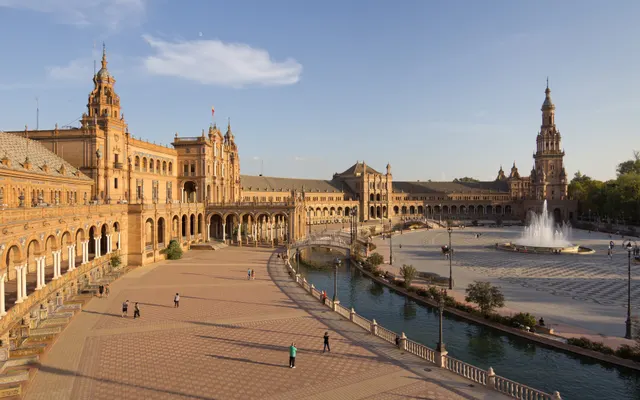 Seville3 days · from 2 to 4
 Málaga3 days · from 2 to 4
 Lisbon3 days · from 2 to 5
 Madrid3 days · from 2 to 5
 Alicante3 days · from 2 to 4
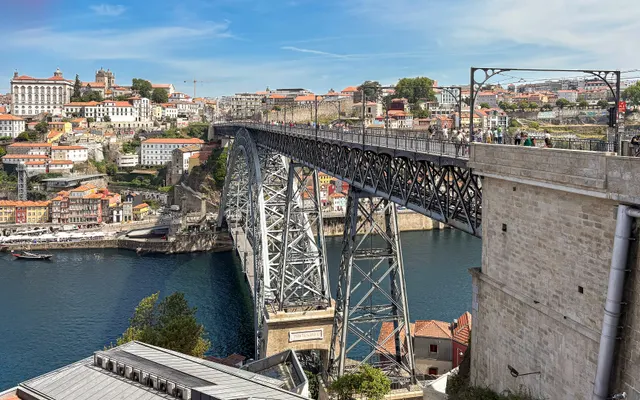 Porto3 days · from 2 to 4
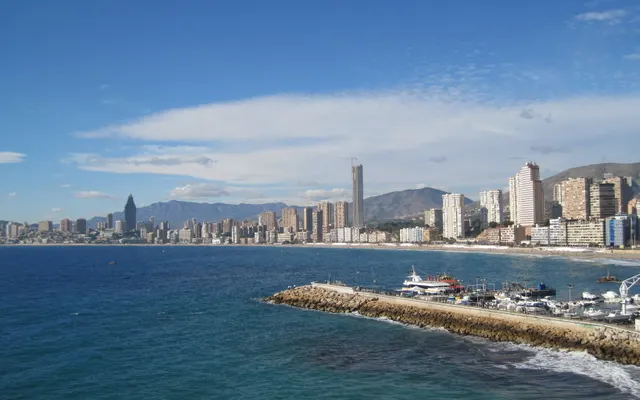 Benidorm3 days · from 2 to 4

Pick the type of trip, the pace and the budget, and Yupi builds the plan with real places. Then you vote and log the expenses. Free.
Photo credit
Luigi Guerrieri4 · Wikimedia Commons (CC0 1.0 (16:9 crop, converted to WebP))