

How much does a 3-day trip to Rome cost? (2026 budget)
Rome isn’t a cheap city, but you can see it very well without overspending. This is the budget per person per day from our guide, with 2026 prices for the main tickets.
Budget per person per day
| Level | Per day | What it includes |
|---|---|---|
| Budget | €70–90 | Hostel or shared room, pizza by the slice, walking everywhere and one ticket a day |
| Mid-range | €130–180 | 3-star hotel or apartment, trattoria meals and one or two tickets |
| Comfortable | €250+ | Central 4-star hotel, good restaurants and a guided tour or two |
Per person per day, excluding flights. Estimated with 2026 prices.
Not counting flights. Over 3 days, the trip comes to about €210–270 per person on a tight budget and about €390–540 mid-range, plus flights. The full breakdown, with accommodation by area and longer stays, is in how much a trip to Rome costs.
The essentials
| Best time | April to June and September to October. July and August go above 33 °C. |
|---|---|
| How many days | 3 for the essentials; 4 or 5 to slow down and leave the centre. |
| Currency | Euro. Cards are accepted almost everywhere. |
| Language | Italian. In tourist areas you’ll be served in English. |
| Plugs | Type F and L, 230 V. |
| Tipping | Not expected. The «coperto» (€1–3 per person) is already on the bill. |
| Water | The «nasoni», the street fountains, give free drinking water. |
| Tourist tax | €3.50 to €10 per person per night depending on the property (up to 10 nights). Paid on site. |
| Safety | A safe city. Watch out for pickpockets on the metro, bus 64 and at Termini. |
3-day plan
Day 1 · Ancient Rome
The Colosseum, the Forum and the Palatine, then dinner in Trastevere.
- Colosseum 09:00
Tickets go on sale 30 days ahead on the official site and sell out. They’re named: bring your ID.
€18 (Colosseum, Forum and Palatine). Under 18s free.
From 9:00 until 1 h before sunset. - Roman Forum and Palatine Hill
There’s barely any shade: bring water and a hat, especially May to September.
Included in the Colosseum ticket. - Lunch in Monti
The most local-feeling area by the Colosseum. - Piazza del Campidoglio
Walk round the back of the City Hall: the whole Forum is below you, for free.
Free. - Altare della Patria
If you skip the lift, the first-level terrace already has good views.
Free. Lift to the panoramic terrace: about €15–18. - Tiber Island
The Tiber’s only island, with a 2,000-year-old Roman bridge.
Free. - Trastevere at sunset
It’s «aperitivo» time: a spritz on a terrace often comes with snacks.
Free. - Dinner in Trastevere 20:00
Ivy-covered streets and trattorias.
Day 2 · The historic centre
The Trevi Fountain without crowds, the Pantheon, the Spanish Steps and the Villa Borghese gardens.
- Trevi Fountain 07:45
At 7:45 there’s no charge yet and hardly anyone around: the best time to go.
Since February 2026, €2 to go down to the basin (9:00–22:00). From the square, free. - Pantheon
Look up at the oculus: it’s the only light source, and rain falls straight in.
€7 (since July 2026). EU 18–25s, €2.
Daily, about 9:00 to 19:00. - Spanish Steps
Sitting or eating on the steps is fined.
Free. - Via Condotti and Via del Corso
The shopping streets running off the Spanish Steps.
Free. - Piazza del Popolo and Santa Maria del Popolo
Bring a coin: the chapel lights run on a few cents.
Free. - Lunch near the Spanish Steps
- Villa Borghese and the Pincio
To see the Borghese Gallery, book on its site days ahead: there are no tickets at the door.
The park is free. The Borghese Gallery is €18, booking and time slot required. - Borghese Gallery 17:00
Tickets sell out days ahead: book as soon as you have your dates.
€18 (€16 entry plus a mandatory €2 booking fee)
2-hour slots, booking required. Closed on Mondays. - Dinner in Campo de' Fiori 20:00
Day 3 · The Vatican
The Vatican Museums and the Sistine Chapel, St Peter's and the pope's castle.
- Vatican Museums and Sistine Chapel 08:30
Tickets are named: the name must match your ID.
€25 online, no queue (€20 at the door, with hours-long queues)
Mon–Sat 8:00–20:00 (last entry 18:00). Closed Sundays except the last one of the month (free and packed) - St Peter's Basilica
There’s a security queue: early morning or late afternoon it moves fast. Cover shoulders and knees.
Free. Dome: €10 on foot (551 steps) or €15 with the lift to the terrace (at the kiosk)
The dome opens 7:30 to 17:00 (18:00 in summer) - Lunch in Prati
Better and cheaper than right next to the Vatican. - Castel Sant'Angelo
Go up to the angel terrace: the best views of St Peter’s and the Tiber.
€18 (since July 2026) - Piazza Navona
A coffee at its terraces costs €6–10: have it standing at a bar in the side streets.
Free.
The full plan, with times, a map and prices for each place, is in our Rome in 3 days guide, and you can copy it into your trip in one tap.
Hidden corners of Rome most guides skip
Curious, lesser-known places, each one checked. Yupi uses them when building your plan in the app.
Three Romes stacked on top of each other: a 12th-century basilica, a 4th-century church beneath it and, further down, a temple of Mithras and a Roman house where you can hear water running. The upper church is free; the excavations are paid.
A fortified monastery 5 minutes from San Clemente. Ring the bell at the Oratory of San Silvestro to see its 13th-century frescoes, still incredibly vivid, and step into the cloister. A small donation is expected, and it is a working convent: keep quiet.
Beneath the church of Santi Giovanni e Paolo there are more than 20 rooms of Roman houses with frescoes from the 2nd to the 4th century. You reach it along the Clivo di Scauro, a beautiful arched medieval lane. It is paid and not open every day: check the hours before you go.
A covered courtyard from 1890 with every wall painted in Art Nouveau scenes of women, 2 minutes from the Trevi Fountain and almost empty. It is free, but it is inside an office building: visit on weekdays during working hours.
Look up: the dome is not real. Andrea Pozzo painted it on a flat ceiling in 1685 with such perspective that it looks three-dimensional, and a disc on the floor marks the best spot. Free and 3 minutes from the Pantheon.
Four Republican-era temples in the middle of a busy square, next to the spot where Julius Caesar was killed, plus a colony of cats looked after by volunteers. You can see it all for free from the railing.
One of the oldest Jewish communities in Europe: the Turtle Fountain in Piazza Mattei, the Portico of Octavia and Via del Portico d'Ottavia, where in season you order Jewish-style fried artichokes (carciofi alla giudia)
In the courtyard of Palazzo Spada, a colonnade that looks more than 30 metres long but is under 9, with a statue at the end far smaller than it seems. It is included in the Galleria Spada ticket; the gallery is closed on Tuesdays.
Roman statues from the Capitoline Museums displayed among the turbines and engines of Rome's first power station. There is almost never a queue. Closed on Mondays, with a combined ticket for the Capitoline Museums.
The arches of the Roman aqueducts across a huge meadow where locals jog, walk their dogs and picnic. Free and beautiful at sunset. Metro A, Giulio Agricola or Subaugusta stops.
Six chapels decorated with the bones of around 3,700 friars, arranged as lamps and rosettes. Striking and quick to see. It is paid (the ticket includes the museum) and shoulders and knees must be covered.
A fairytale neighbourhood built between 1915 and 1927: palazzi with arches, spiders and columns, and the Frog Fountain in Piazza Mincio. Free, seen from the street in half an hour, with hardly any tourists.
From the airport to the center
Non-stop, every 15–30 minutes. Handy if you’re staying near Termini or Monti.
Cheaper, and better if you’re staying in Trastevere or Testaccio. It doesn’t go to Termini.
The cheapest option, but traffic-dependent. Buses run from Fiumicino and Ciampino to Termini.
Fixed price to anywhere inside the city walls, up to 4 people with luggage. Only the white taxis from the official rank.
Getting around
- Single ticket (BIT): €1.50, valid 100 minutes on buses and trams, with one metro ride. 24 h pass: €8.50; 48 h: €15; 72 h: €22.
- You can tap your card or phone at metro gates and on buses: you never pay more than €8.50 a day.
- The metro has two useful lines: A (Vatican, Spanish Steps, Termini) and B (Colosseum, Termini). It doesn’t reach the Pantheon or Navona: walk or take bus 40 or 64.
- The centre is walkable: from the Colosseum to the Vatican is about 45 minutes through the historic centre.
- For taxis, use the FreeNow or itTaxi apps. Uber only offers pricier chauffeur cars.
Where to stay
Everything on foot and beautiful at night. The priciest area, and a bit noisy.
Next to the Colosseum, lively, Cavour metro and mid-range prices. A great base for everything.
The prettiest, liveliest area at night. No metro (tram 8), and you’ll hear the party.
Calm, elegant and next to the Vatican. Good food and metro A.
The cheapest and best connected to the airport. Less charm, and less pleasant at night.
What to eat
- Carbonara, cacio e pepe, amatriciana and gricia: Rome’s four pastas. In a trattoria, €12–16 a plate.
- Supplì: Fried rice ball with mozzarella inside. €2–3, perfect as a snack.
- Pizza al taglio: Pizza by the slice, paid by weight. A good portion costs €3–6.
- Carciofi alla giudia: A whole fried artichoke, a Jewish Ghetto classic. In season from winter to spring.
- Maritozzo: A cream-filled bun for breakfast, with a cappuccino.
- Gelato: Be wary of gelato piled high in bright colours: the good stuff sits in covered tubs.
A coffee at the bar costs €1.20–1.50; sitting at a touristy terrace it can cost three times as much.
Dinner is late, 20:00 to 21:30. Popular places fill up: book or go early.
Avoid restaurants with photo menus and someone at the door calling you in, especially near the monuments.
Tips for saving money in Rome
- Many churches, squares and fountains are free: Piazza Navona, the Pantheon from the outside or the Trevi Fountain seen from the square (going down to the basin costs €2)…
- Eat where Romans eat: Monti and Trastevere, away from the streets next to the monuments.
- Book the Colosseum and the Vatican Museums on their official websites: on other sites they cost quite a bit more.
Tips for traveling as a group
- The airport taxi has a fixed fare per car: €55 split four ways is under €14 each, about the same as the train, door to door.
- Colosseum and Vatican tickets are named: buy them all at once with each person’s name and ID.
- Many trattorias won’t book tables for more than 6–8: call ahead or go early, around 19:30.
- Lots of places won’t split the bill: one person pays and you split it in Youtopia in seconds.
- For going out: Piazza Trilussa in Trastevere, Campo de’ Fiori, Pigneto and Testaccio. Aperitivo (a spritz with snacks, €8–12) runs 18:30 to 20:30.
- For 4 or more, an apartment in Monti or Trastevere is usually cheaper than several hotel rooms.
Common mistakes (and how to avoid them)
- Buying tickets from resale sites that charge double: use the official sites linked below.
- The costumed gladiators at the Colosseum charge for photos (€10–20). If you don’t want to pay, say no from the start.
- If someone ties a bracelet on you or hands you a rose «as a gift», they’ll ask for money: don’t take it.
- Unlicensed drivers offering rides inside the airport: always go to the official rank (white taxi with Rome’s crest).
- Dipping your feet in fountains or sitting on the Spanish Steps: both are fined.
- Many state museums close on Mondays and the Vatican Museums on Sundays (except the last one of the month). Check before you go.
Day trips from Rome
Renaissance fountain gardens and Emperor Hadrian’s villa. A full day.
A whole Roman town, with far fewer tourists than the Forum. Half a day.
Doable as a day trip, but rushed: better to stay a night.
Very tight for one day: better with two.
A medieval town on top of a rock, with a spectacular cathedral. Perfect for a relaxed day out.
Rome FAQ
How many days do you need in Rome?
3 days cover the essentials: ancient Rome, the historic centre and the Vatican. With 4 or 5 you add Trastevere, the Aventine and the Appian Way at an easy pace, or a day trip to Tivoli or Ostia.
Do you need to book the Colosseum?
Yes. The standard ticket (€18, including the Forum and Palatine) is timed and goes on sale 30 days ahead at ticketing.colosseo.it. It sells out in high season.
How much does the Vatican cost?
The Vatican Museums with the Sistine Chapel cost €25 online (€20 at the door, with long queues). St Peter’s Basilica is free; climbing the dome costs €10 on foot or €15 with the lift.
Do you have to pay to see the Trevi Fountain?
Since February 2026, going down to the basin costs €2 from 9:00 to 22:00. Seeing it from the square is still free, and there’s no charge before 9:00.
How do you get from the airport to the centre?
From Fiumicino, the Leonardo Express reaches Termini in 32 minutes for €14. Taxis have fixed fares: €55 from Fiumicino and €40 from Ciampino, for up to 4 people.
Do you need public transport in Rome?
The centre is walkable. For the Vatican, Termini or further areas, use the metro and buses: €1.50 a ticket or €8.50 for a 24-hour pass.
Is Rome expensive?
It depends how you travel: €70–90 a day per person on a budget, and €130–180 for a mid-range trip, excluding flights.
Where should you stay in Rome with friends?
Monti or Trastevere: lively, close to everything, and an apartment for 4 or more is usually cheaper than a hotel.
What should you wear for the Vatican?
Covered shoulders and knees, even in summer. The same goes for other basilicas and churches.
Are there free days in Rome?
On the first Sunday of each month, state museums (Colosseum, Pantheon, Castel Sant’Angelo…) are free, though you still need to book. The Vatican Museums are free on the last Sunday of the month, with huge queues.
Is the Roma Pass or the OMNIA Card worth it? How much are they?
With this plan, usually not. The 72-hour Roma Pass costs €62.90 (48 hours, €38) and includes unlimited public transport and 2 free entries; the two priciest in the plan, the Colosseum and Castel Sant’Angelo (€18 each), plus the 72-hour transport pass (€22) come to €58, and most of the centre is walkable. It doesn’t include the Vatican Museums, and to visit the Colosseum with the Roma Pass you must book a time slot. The 72-hour OMNIA Card (€149) bundles the Vatican, the Roma Pass and a hop-on hop-off bus: it only pays off if you’ll use that bus a lot. Official prices checked in November 2026.
Itineraries ready to copy
Near Rome
If you have a spare day or want to combine two places in one trip.
Plans you can copy ready for your trip.
Day-by-day itineraries from our guides, with the route for each day, times and prices. Copy them into the app and change them together.
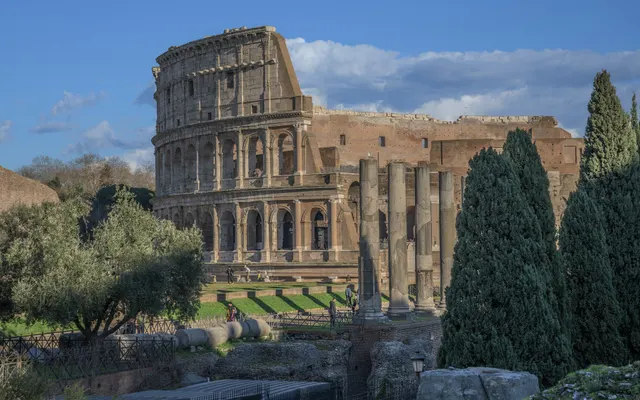 Rome3 days · from 2 to 5
 Florence3 days · from 2 to 4
 Naples3 days · from 2 to 5
 Venice2 days · from 2 to 3
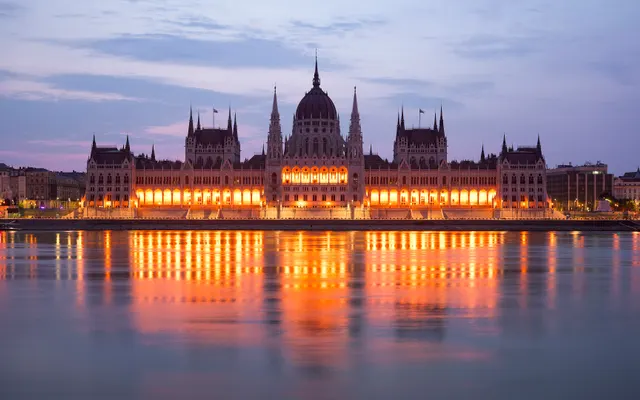 Budapest3 days · from 2 to 5
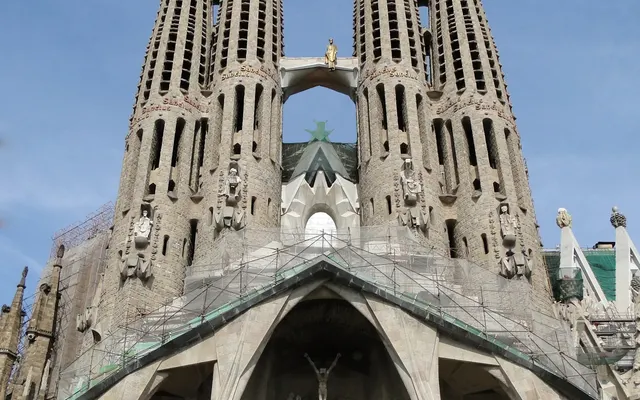 Barcelona3 days · from 2 to 5
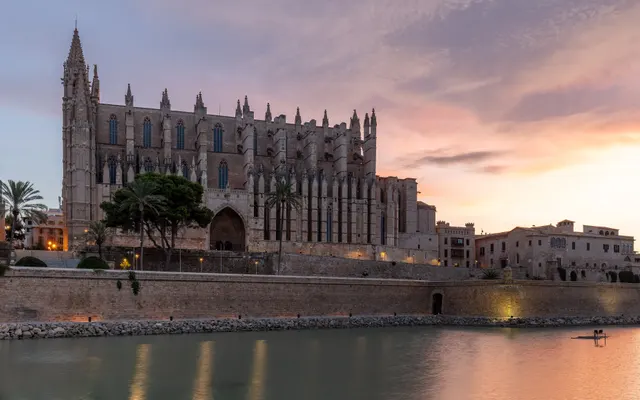 Palma de Mallorca3 days · from 2 to 4

Pick the type of trip, the pace and the budget, and Yupi builds the plan with real places. Then you vote and log the expenses. Free.